How to grow & care for Maidenhair Ferns
Top 5 steps to growing Maidenhair Ferns
- Find a sheltered spot with bright indirect light
- Use a premium indoor plant potting mix
- Maidenhair Ferns prefer their roots to be constantly moist, but not soggy
- Feed fortnightly with a liquid indoor plant fertiliser
- If the foliage of your Maidenhair Fern goes crispy and appears dead, cut it all off at soil level. With regular watering and misting it should reshoot.
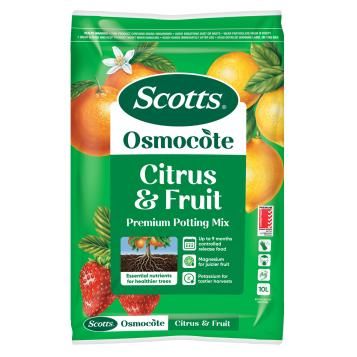
Shopping List
Growing maidenhair fern in the garden
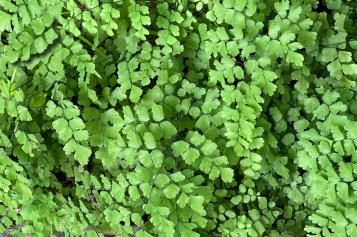
Maidenhair ferns grow best in cool, sheltered garden spots with filtered light or shade, away from harsh afternoon sun and drying winds. Plant them into moist, well-drained soil enriched with organic matter, in areas such as ferneries, shaded beds, beside ponds or protected courtyards.
Water in well after planting and keep the soil consistently moist while the plant establishes. Avoid exposed, hot or dry positions. If fronds dry out or scorch, trim damaged growth back from the base and keep the plant shaded and evenly moist while it recovers.
Growing Indoors
Maidenhair Ferns should be planted into either a decorative pot with drainage holes or a plastic pot (with drainage holes) that fits snugly into a coverpot (without drainage holes). Choose a pot no more than 2 times the size of the original nursery pot.
Half fill your pot with Scotts Osmocote Indoor Plant Potting Mix and gently remove the Maidenhair Fern from the nursery pot and position it into the potting mix, backfill around the root ball with more potting mix.
Water your new Maidenhair Fern in well and keep watering it regularly so the surface of the potting mix always feels moist, but take care not to allow it to sit in a pool of water if it collects in the coverpot or pot saucer.
☀️ HOW TO GROW MAIDENHAIR FERNS IN WESTERN AUSTRALIA CONDITIONS
Maidenhair Ferns can grow well in Western Australia, but they need protection from hot afternoon sun, dry winds and drying out. In Perth and similar sandy-soil areas, they are best suited to cool, sheltered spots with partial shade, such as shaded courtyards, ferneries, damp garden beds or around ponds.
For best results, plant into moisture-retentive, well-drained soil improved with compost, and mulch lightly to help reduce water loss. Keep the soil consistently moist, especially through dry weather and while young plants establish, but avoid waterlogging. In WA’s water-repellent sandy soils, a soil wetting agent can also help water move down into the root zone.
Fertilising & Care
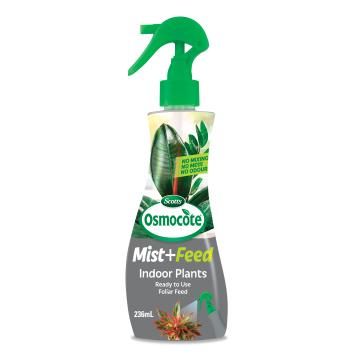
Depending on your climate and how dry it is inside your home, your Maidenhair Fern will need a regular watering to keep the soil moist, but not soggy. Remember to tip out excess water from coverpots or saucers. If your home is particularly dry or your heaters during summer, Maidenhair Ferns will benefit from a regular misting with Scotts Osmocote Mist+Feed for Indoor Plants.
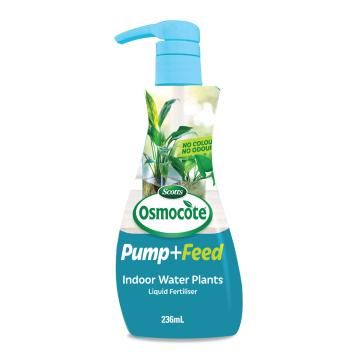
Feed your Maidenhair Fern fortnightly with Scotts Osmocote Pour+Feed for Indoor Plants. This is a ready-to-use liquid fertiliser that contains the right balance of nutrients for your indoor plants.
Use Scotts Osmocote Mist+Feed for Indoor Plants weekly. This is applied to the leaves where the plant can quickly absorb the moisture and nutrients.
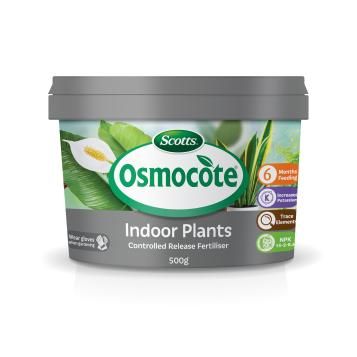
For consistent long-term growth, sprinkle Scotts Osmocote Controlled Release Fertiliser for Indoor Plants around the plant base.
If Maidenhair Ferns don’t get enough water, then the leaves can go crispy and die back very quickly. If this happens to yours, cut off all the foliage at soil level with sharp scissors. Keep the plant in a shaded place and water it regularly.
Maidenhair Ferns are often easily killed by either;
- Under-watering: they like their soil to be constantly moist or,
- Over-watering: their roots will rot if the soil is too soggy or water is allowed to pool at the bottom of the pot or saucer.
Helpful Tip
If you’re certain your Maidenhair Fern is getting enough water, but its leaves are still browning or going crispy it could be sunburn. Try moving it to a more sheltered or indirect light spot.
Pests & Diseases
Aphids and mealybugs can from time to time become a problem on Maidenhair Ferns - use Defender Pyrethrum Insect Spray to control them if needed. Check the undersides of fronds and around new growth regularly, as small infestations are easier to manage early. Maidenhair Ferns are more commonly affected by poor growing conditions than serious disease, so avoid letting them dry out completely or sit in waterlogged soil, as this can lead to browning, collapse or root problems.