How to grow & care for Kohlrabi
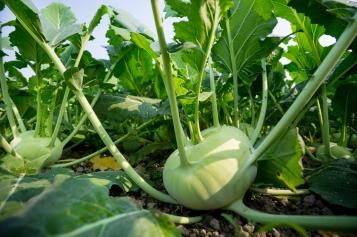
Kohlrabi is a quick-growing brassica with a swollen stem that looks a little unusual but is easy to use in the kitchen. It has a crisp texture and a mild, sweet flavour often compared to broccoli stems or turnip. Both the bulb-like stem and young leaves are edible.
It grows best in the cooler months and is well suited to raised beds, veggie patches and large containers. The secret is steady growth. Keep soil fertile and consistently moist, then harvest while bulbs are still young and tender rather than letting them become oversized and woody.
Top 5 steps to growing kohlrabi
-
Grow in full sun during the cooler parts of the year.
-
Prepare fertile, well-drained soil with organic matter before sowing.
-
Keep soil consistently moist so bulbs develop evenly.
-
Protect plants from cabbage moth caterpillars and aphids.
-
Harvest bulbs young, usually around tennis ball size or smaller.
Essential shopping list
-
Kohlrabi seeds or seedlings
-
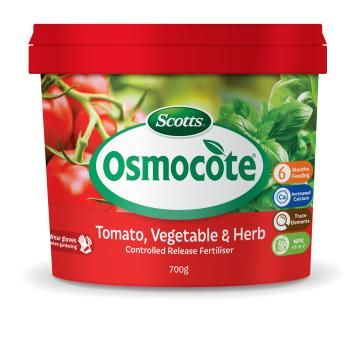
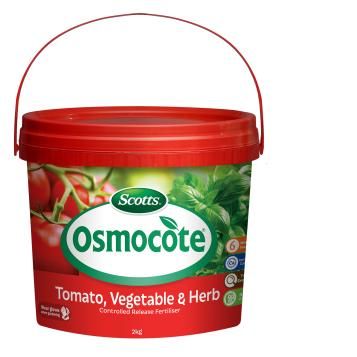
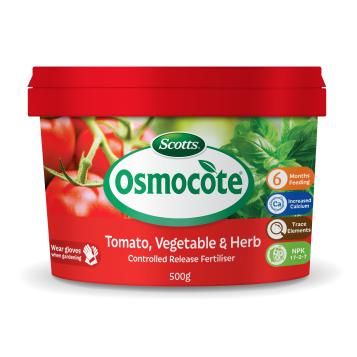
Scotts Osmocote® Controlled Release Fertiliser: Tomato, Vegetable & Herb
-
Organic mulch
-
Fine insect netting for brassica pest protection
Preparation
Kohlrabi needs fertile, well-drained soil that has been enriched before planting. Prepare the bed by removing weeds, loosening the soil and digging through compost or soil improver. Scotts Osmocote® Compost Premium Soil Improver can be used to add organic matter and improve the growing area before sowing or transplanting.
Choose a position with full sun in cooler weather. In warmer regions, light afternoon shade may help reduce stress, but too much shade can slow growth. Like other brassicas, kohlrabi benefits from crop rotation, so avoid planting it where cabbages, broccoli, cauliflower or other brassicas have recently grown.
Planting kohlrabi in the garden
Kohlrabi can be sown direct or started in trays and transplanted once seedlings are sturdy. Sow into moist soil and keep the seedbed evenly damp until germination. Space plants well so the swollen stems have room to develop without crowding.
As seedlings grow, thin them if they are too close together. Crowded plants are more likely to produce small or poorly shaped bulbs. Mulch lightly around plants once established to help keep soil moisture even and reduce weed competition.
Growing kohlrabi in pots
Kohlrabi can grow well in large pots or tubs, especially where garden space is limited. Use a container with good drainage and enough depth for steady root growth. A vegetable-friendly mix such as Scotts Osmocote® Tomato, Vegetable & Herb Potting Mix is suitable for container growing.
Container-grown kohlrabi needs consistent watering because pots dry out faster than garden beds. Keep the mix moist but not waterlogged. A position with morning sun and protection from harsh afternoon heat can help in warmer parts of Australia.
☀️ HOW TO GROW KOHLRABI IN WESTERN AUSTRALIA CONDITIONS
Kohlrabi thrives in cooler conditions and is relatively easy to grow in WA. It can be started indoors or sown directly into the garden. We recommend well-worked, well-drained soil rich in organic matter, with seeds sown 10 to 15 centimetres apart and germination generally occurring in 5 to 10 days.
For WA gardens, water regularly so seeds and young plants do not dry out, and mulch to help keep the soil moist. We recommend harvesting bulbs when they are 5 to 7 centimetres in diameter, generally 2 to 3 months after planting. Smaller bulbs are usually sweeter and more tender, so avoid leaving them too long.
Watering and feeding
Consistent moisture is one of the most important parts of growing tender kohlrabi. If plants dry out and then receive heavy watering, bulbs can become stressed, tough or split. Water regularly so the soil stays evenly moist, especially while the swollen stem is forming.
Kohlrabi is a quick crop, so steady nutrition helps it grow fast without becoming woody. Feed lightly but consistently through the growing period. Scotts Osmocote® Controlled Release Fertiliser: Tomato, Vegetable & Herb can be used where a balanced controlled release feed is appropriate, always following label directions for edible crops.
Maintenance
Keep beds weed-free so young plants do not compete for moisture and nutrients. Check plants often, particularly the undersides of leaves, where brassica pests may lay eggs. Fine insect netting is a practical way to protect plants from cabbage white butterfly and moth caterpillars.
Avoid letting plants sit too long after bulbs reach harvest size. Kohlrabi is at its best when harvested young and crisp. Larger bulbs may still be edible, but they are more likely to become fibrous or woody.
Harvest
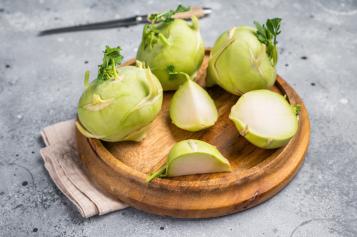
Kohlrabi is usually ready to harvest around 8 to 10 weeks from sowing, depending on variety and conditions. Harvest when bulbs are about 5 to 7 centimetres across or roughly tennis ball size. Cut the stem at soil level with a sharp knife.
The leaves are edible too, especially when young and tender. Use the bulb raw in salads and slaws, or cook it by steaming, roasting or adding it to stir-fries. For the best flavour, harvest before hot weather causes plants to stress or bolt.
Climate and positioning tips
Kohlrabi is a cool-season crop, so it is best grown in autumn, winter and early spring in many parts of Australia. Hot weather can cause plants to bolt or produce tougher bulbs. In tropical and subtropical regions, it is best grown during the cooler dry season.
Mild frost is usually tolerated, but very hot conditions can reduce quality. For continuous harvests, sow small batches every few weeks during the suitable growing window rather than planting everything at once.
How to propagate kohlrabi
Kohlrabi is grown from seed. Sow directly into prepared garden beds or start seeds in trays if you want to protect seedlings from pests while they are small. Transplant carefully, as young brassica seedlings establish best when moved before they become root-bound.
Use fresh seed and keep the soil moist during germination. Once seedlings appear, provide good light and airflow to avoid weak, leggy growth. Healthy seedlings will establish quickly and form better bulbs.
Pests & diseases
Kohlrabi can be affected by the same pests as other brassicas, including cabbage moth caterpillars, cabbage white butterfly caterpillars, aphids, whitefly, slugs and snails. Caterpillars chew holes through the leaves, while aphids and whitefly suck sap and may weaken new growth. Check plants regularly so small problems can be managed early.
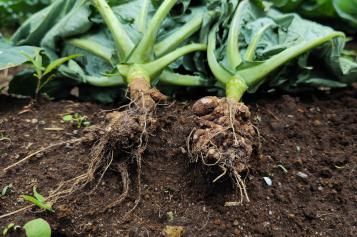
Diseases that can affect brassicas include clubroot, downy mildew and leaf spots. Crop rotation is one of the best ways to reduce disease build-up in the soil. Avoid overhead watering where possible, improve airflow between plants and remove diseased leaves rather than composting them in the veggie patch.