How to grow & care for proteas
Proteas are sun-loving beauties originally from South Africa, that grow particularly well in our poor Australian soils.
Proteas love the same conditions as many Australian native plants and are perfect for low maintenance or low water use gardens. You can grow them in small or large gardens and even pots. Their flowers and foliage provide year-round colour and they make a long-lasting cut flower.
How to grow proteas (quick steps)
1. Choose a full sun position
2. Use a native potting mix and ensure soil is free-draining and low in nutrients
3. Plant at the same depth as the original pot
4. Water regularly during establishment
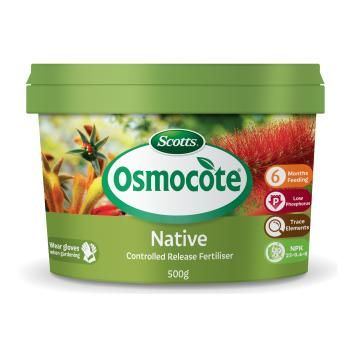
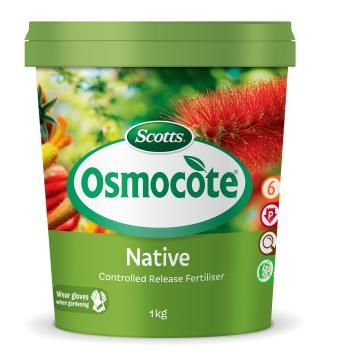
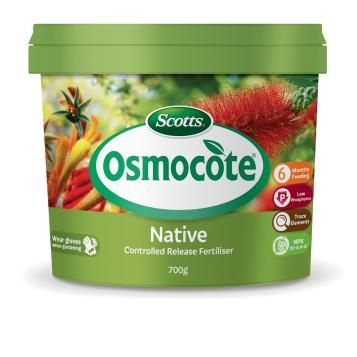
5. Feed with a low-phosphorus fertiliser for natives, such as Scotts Osmocote® Plus Organics All Purpose (including Natives) Plant Food & Soil Improver or Scotts Osmocote® Controlled Release Fertiliser: Native
6. Remove spent flowers to encourage bushy growth
What is a protea?
Protea is a group of evergreen flowering shrubs known for their large, architectural blooms and tough, drought-tolerant nature. Native to South Africa, proteas thrive in conditions similar to many Australian native plants, making them well suited to local gardens.
They are valued for their long-lasting flowers, which range in colour from soft pinks and whites to deep reds and oranges, and are often used in cut flower arrangements.
Protea plant facts
- Plant type: Evergreen shrub
- Sunlight: Full sun
- Soil: Very well-drained, sandy or low-nutrient soil, acidic (around pH 5–6.5)
- Watering: Low once established
- Flowering season: Typically autumn to spring
- Growth habit: Upright, bushy shrub
- Feeding note: Phosphorus-sensitive – use a low-phosphorus fertiliser formulated for natives
- Best for: Low-maintenance gardens, feature planting, pots
Shopping List
- A protea plant, choose a variety to suit your garden space and size.
- Scotts Osmocote® Compost Premium Soil Improver
- Scotts Osmocote® Plus Organics All Purpose (including Natives) Plant Food & Soil Improver
- Garden Shovel
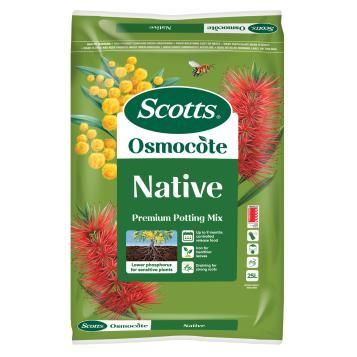
- If growing in pots, you’ll need Scotts Osmocote® Native Potting Mix and Scotts Osmocote® Controlled Release Fertiliser: Native plus a suitable pot or container
Preparation
Proteas prefer a loose, sandy or sandy loam soil. If you’ve got a lot of clay - mound up the soil and mix gypsum plus some Scotts Osmocote® Compost Premium Soil Improver through the area before planting to help improve drainage.
Most proteas prefer a soil with a pH around 5.5, but some varieties will tolerate a more neutral pH. Check with your local nursery or garden centre on varieties that will work in your climate and soil conditions.
Planting in the garden
Plant your protea into prepared soil - dig the hole twice as wide as the original pot and the same depth. Gently remove the protea from the nursery pot, tease roots if they are compact and plant into the hole. Back fill around the plant and water in well.
Mulch around the base of proteas to retain moisture and suppress weeds, but keep the mulch away from the main stem.
When your proteas are young they’ll need watering up to twice a week throughout their first summer, and maybe more in extreme heat.
Growing protea hedges and screening
Proteas can be used as informal hedges or screening plants, particularly in low-maintenance or coastal-style gardens.
What is the best protea for screening?
Medium to large shrub varieties are commonly used for screening due to their dense growth and height, including Protea ‘Pink Ice’, Protea neriifolia selections, and ‘Clark’s Red’. For small spaces, compact types such as ‘Little Prince’ are a better fit.
How far apart should you plant protea for hedging?
Spacing depends on the variety, but most should be planted 1.5–3 metres apart to allow for airflow and mature growth.
How do you maintain a protea hedge?
Minimal pruning is required. Light shaping after flowering is enough to maintain density and encourage bushy growth.
How do you care for proteas?
Proteas are relatively low-maintenance plants once established, but they do have specific care requirements to thrive.
How do you fertilise protea?
An annual feed in late winter with Scotts Osmocote® Plus Organics All Purpose (including Natives) Plant Food & Soil Improver is all most proteas will need. Unless you have a very sandy soil, which might require a second annual fertiliser application.
Pot proteas in Scotts Osmocote® Native Potting Mix and feed with Scotts Osmocote® Plus Organics All Purpose (including Natives) Plant Food & Soil Improver; repot them every 1 to 2 years with fresh Scotts Osmocote® Native Potting Mix - going up a pot size if needed.
When should you prune proteas?
Prune after flowering has finished. This helps maintain shape and encourages new growth for the next season.
How do you prune proteas?
Step 1: Identify spent flowers
Look for stems that have finished flowering.
Step 2: Cut back flowering stems
Cut back to where there's a ring of leaves or new shoots, leaving some healthy foliage - never cut into bare wood with no leaves, as it won't reshoot.
Step 3: Avoid cutting unflowered stems
Do not prune stems that haven’t flowered, as these will produce next season’s blooms.
Step 4: Shape lightly
Maintain a bushy shape by removing leggy or uneven growth.
(Proteas flower on a cycle, so over-pruning can reduce flowering the following year.)
Pests & Diseases
Proteas are relatively pest free but scale can sometimes be a problem - spray any infestations with an insecticide as needed.
Root rot can easily occur if proteas sit in a waterlogged soil or potting mix. Ensure good drainage to prevent this from happening.
Growing Proteas FAQs
How long do proteas take to grow?
Proteas are relatively slow-growing and usually take 2–3 years to establish and begin flowering reliably, depending on conditions and variety.
Where is the best place to plant proteas?
Proteas grow best in a full sun position with well-drained soil. Good airflow and protection from heavy frost will also help them thrive.
When should you prune proteas?
Proteas should be pruned after flowering, once blooms have faded. This helps maintain shape and encourages new growth for the next season.
How hard can you prune proteas?
Proteas should only be lightly pruned. Avoid cutting into old wood without leaves, as this can prevent regrowth and reduce future flowering.
Do proteas make good hedges?
Yes, proteas can make attractive informal hedges, offering structure, foliage, and seasonal flowers, especially in low-maintenance gardens.
What’s the best protea for screening?
Larger varieties like Protea ‘Pink Ice’, Protea neriifolia selections and ‘Clark’s Red’ are commonly used for screening due to their height, dense growth and reliable flowering; for small spaces, try a compact type such as ‘Little Prince’.