How to Grow Desert Roses
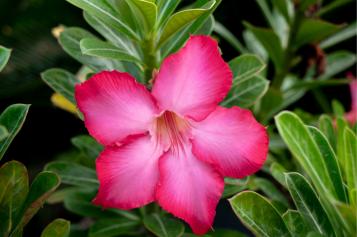
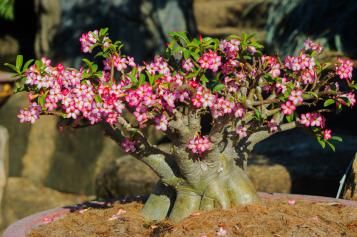
Desert rose is a striking succulent shrub grown for its swollen trunk, sculptural shape and bright flowers in shades of pink, red, white and other colour forms. It looks a little like a miniature bottle tree crossed with a flowering shrub, which makes it perfect for feature pots, bonsai-style displays and warm, dry gardens.
Despite the name, desert rose is not a rose. Its botanical name is Adenium obesum, and it prefers warmth, sun and excellent drainage. The biggest risk is too much water, especially in cool weather or during dormancy, so this is a plant where restraint really pays off.
Top 5 steps to growing desert rose
-
Grow in a warm, sunny, frost-free position.
-
Use very free-draining soil or potting mix.
-
Water during hot, dry active growth, then reduce watering in cool weather.
-
Do not let plants sit in wet soil or saucers of water.
-
Handle with care, as all parts of the plant are toxic.
Essential shopping list
-
Desert rose plant
-
Coarse propagation sand or grit to improve drainage where needed
-
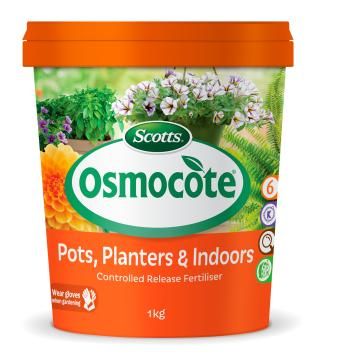
Scotts Osmocote Controlled Release Fertiliser for Pots and Planters
-
Terracotta or heavy pot with drainage holes
-
Garden gloves
-
Secateurs
Preparation
Desert rose needs a warm, sunny position and very good drainage. Hot, dry climates and sunny frost-free positions are best. It can be grown outdoors in warm to tropical and arid climates, and is most commonly grown in pots.
If planting in the garden, choose a raised or free-draining position. If growing in pots, use a container with generous drainage holes and a gritty, open potting mix. Terracotta pots are useful because they breathe and help the mix dry between watering.
Planting desert rose in the garden
In warm, frost-free areas, desert rose can be planted in the garden. Choose a sunny position, with light midday or afternoon shade in very hot tropical or arid areas to reduce leaf scorch. Plant so the base of the swollen trunk, or caudex, sits at or just above soil level. Never bury the caudex.
Water in after planting, then allow the soil to drain freely. Desert rose can rot if the root zone remains wet, so avoid planting in heavy soils, low points or areas that receive regular runoff.
Growing desert rose in pots
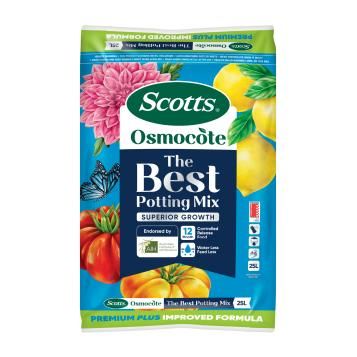
Desert rose is especially well suited to pots because containers make it easier to control drainage, sun exposure and winter protection. Use a pot with excellent drainage and a free-draining mix. Scotts Osmocote® Premium Potting Mix can be used as a base potting mix, with added coarse material if extra drainage is needed for your conditions.
Place the pot outdoors in a warm, sunny position protected from cold winds. Desert rose is not truly an indoor plant and prefers being outside in a warm, sunny spot, although it can be brought indoors briefly while flowering.
☀️ HOW TO GROW DESERT ROSE IN WESTERN AUSTRALIA CONDITIONS
Desert rose is well suited to Perth summers and warm northern areas of Western Australia when planted in full sun, free-draining soil and protected from frost. It's often grown in pots to maximise sun exposure through the seasons. Be cautious of overwatering, as it can cause root rot.
In WA, choose a bright, warm position and avoid cold, wet winter conditions. In cooler southern regions, desert rose may struggle outdoors, so pots are the safer option. Use a free-draining mix, water regularly while establishing, then water only when needed once settled.
Watering and feeding
Water desert rose when conditions are hot and dry, allowing the mix to drain and dry before watering again. During cooler weather and dormancy, reduce watering significantly. Bunnings specifically advises not watering during the dormant period, while Yates recommends reducing watering in winter when conditions cool.
Feed sparingly during the active growing season. Scotts Osmocote® Controlled Release Fertiliser: Pots, Planters & Indoors is suitable for potted foliage and flowering plants and feeds for up to six months, so use only as directed and avoid overfeeding.
Pruning and maintenance
Desert rose can be lightly pruned to control shape and encourage branching. Prune during warm active growth rather than during cold dormancy, and use clean, sharp tools. Wear gloves and avoid sap contact because desert rose is toxic.
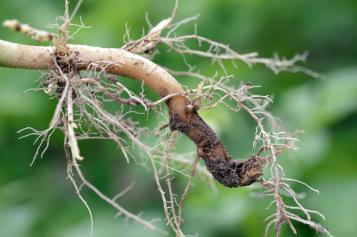
Some growers lift or expose the roots over time to show off the swollen, sculptural base. Newly exposed roots should be protected from sun until they adjust to the light.
Flowering and growth
Desert rose flowers mainly through spring and summer, with blooms that are commonly pink, red or white, along with many cultivated colour combinations. Flowering is best when plants receive strong light, warmth and careful watering.
Plants may drop leaves in cold weather or during dormancy. This is normal, but it is also the time to be extra careful with watering because wet, cool roots can rot quickly.
Climate and positioning tips
Desert rose is best suited to tropical, subtropical, arid and warm frost-free climates. In cooler regions, grow it in a pot so it can be moved to a protected, warm, bright spot through winter. Frost can damage plants, so avoid exposed cold positions.
In hot, dry climates, desert rose handles sun well but may appreciate light protection from harsh midday or afternoon sun. Good drainage matters more than rich soil, so keep the root zone open and free-draining.
How to propagate desert rose
Desert rose can be propagated from seed or cuttings. They grow easily from seed once collected, and many hybrids have been cultivated this way. Seed-grown plants can vary, but they often develop better swollen trunks.
Cuttings can be used, especially to reproduce a known flower colour, but seed propagation is often preferred for developing the fat trunk shape. Named varieties are best purchased from nurseries if flower colour is important.
Pests & diseases
Desert rose is generally hardy, but it can be affected by aphids, mealybugs, scale and fungal issues. Overwatering is the biggest problem because wet soil can lead to root rot, especially in cool or rainy weather.
Check leaf joints, stems and the underside of leaves for sap-sucking pests. Improve airflow, avoid wetting foliage late in the day and keep plants out of prolonged rain if they are in pots. Always use pest control products according to label directions.