How to Grow Lemon Myrtle
Lemon myrtle is a much-loved Australian native shrub or small tree grown for its glossy foliage, creamy flowers and strong lemon-scented leaves. It is popular as a feature tree, hedge, screening plant and edible native herb. The leaves can be used fresh or dried in teas, desserts, marinades and savoury dishes. It is a great native alternative to other common citrus fruits like lemon and lime.
This plant naturally comes from wetter subtropical rainforest environments, so it appreciates fertile, well-drained soil and reliable moisture while establishing. Once mature, it becomes more resilient, but young plants should be protected from frost, cold winds and severe drying out.
Top 5 steps to growing lemon myrtle
-
Plant in full sun to part shade, depending on your climate.
-
Use fertile, well-drained soil enriched with organic matter.
-
Water regularly while young and during hot, dry weather.
-
Protect young plants from frost and cold winds.
-
Tip prune lightly to encourage dense, bushy growth.
Essential shopping list
-
Lemon myrtle plant
-
Organic mulch
-
Secateurs for tip pruning and harvesting
Preparation
Lemon myrtle grows best in moist, well-drained soil with plenty of organic matter. Choose a position with full sun to part shade, adjusting for climate. In hotter inland regions, part shade or afternoon protection may reduce stress, while in milder climates full sun can produce strong growth.
Prepare the soil by working through compost or a soil improver before planting. Scotts Osmocote® Compost Premium Soil Improver can be used to improve organic matter and help young plants establish. Mulching after planting is also important because lemon myrtle comes from rainforest conditions and appreciates a cool, protected root zone.
Planting lemon myrtle in the garden
Plant lemon myrtle during mild conditions, ideally when the soil is warm and the weather is not extreme. Dig a hole twice as wide as the root ball and the same depth. Place the plant in the hole, backfill gently and water well to settle the soil.
If planting as a hedge or screen, allow enough space between plants for airflow and mature growth. Lemon myrtle can become a large shrub or small tree, so avoid planting too close to walls, pipes or structures unless you plan to prune regularly.
Growing lemon myrtle in pots
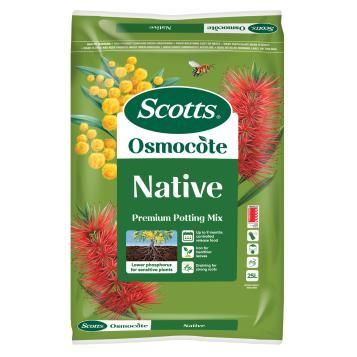
Lemon myrtle can be grown in large pots, particularly when you want to manage its size or grow it close to the kitchen for easy harvesting. Use a pot with good drainage and a quality native-friendly mix such as Scotts Osmocote® Native Potting Mix. Choose a container large enough to support long-term growth.
Potted lemon myrtle will need more regular watering than plants in the ground. Check moisture often during hot weather and avoid letting the mix dry out completely. If growth slows or the plant becomes pot-bound, move it into a larger container or refresh the potting mix.
☀️ HOW TO GROW LEMON MYRTLE IN WESTERN AUSTRALIA CONDITIONS
Lemon Myrtle is hardy and equally at home in WA if given adequate water during warmer months and shelter from cold winds or frost when young. In WA, expect a height of about 3 to 6 metres, rather than the taller height it may reach in its natural rainforest habitat.
In milder areas of WA, lemon myrtle can handle full sun, while hot, dry areas are better suited to dappled shade. We recommend fertile, well-drained soil with a pH between 5 and 6.5, plus thorough mulching to mimic its rainforest habitat. Keep plants well-watered throughout the year, particularly during warmer conditions.
Watering and feeding
Water young lemon myrtle plants regularly until they are well established. Once mature, they can tolerate some dry periods, but they will perform better with deep watering during hot, dry weather. Consistent moisture is especially important for plants grown in pots.
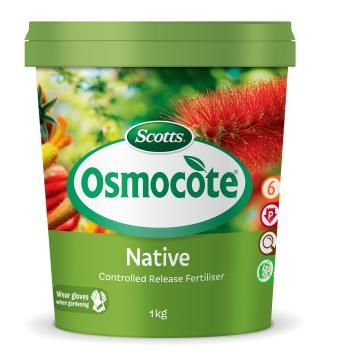
Feed after flowering or during the growing season to support healthy foliage. Scotts Osmocote® Controlled Release Fertiliser: Native may be suitable where a general controlled release feed is required, but avoid overfeeding and always follow label directions. If harvesting leaves for cooking, rinse leaves well before use, especially after fertilising or spraying.
Pruning and maintenance
Lemon myrtle responds well to light pruning. Tip prune young plants to encourage a bushier shape, especially if growing as a hedge or screen. If you want a feature tree, gradually remove lower branches as the plant grows to create a clean trunk and canopy.
Regular light pruning is better than hard pruning once the plant has become large and woody. Harvesting leaves doubles as light pruning, but avoid removing too much foliage at once. A simple rule is to take small amounts regularly rather than stripping large sections of the plant.
Flowering, growth and harvest
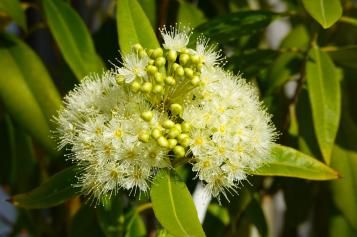
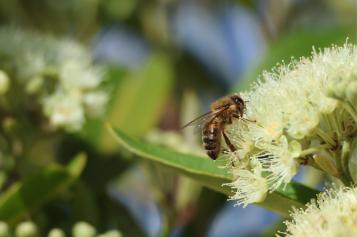
Lemon myrtle produces creamy white, fluffy flowers, often through summer and autumn depending on climate. The glossy leaves are strongly lemon-scented when crushed and can be used fresh or dried. Leaves are usually harvested as needed, then used whole, crushed or ground depending on the recipe.
In the garden, lemon myrtle may grow as a large shrub or small tree. It can be kept smaller with pruning, making it suitable for hedges, screens and large pots. In good conditions it provides year-round foliage, fragrance and habitat value for pollinators when in flower.
Climate and positioning tips
Lemon myrtle performs best in frost-free temperate, subtropical and warm coastal climates. In cooler areas, choose a sheltered position protected from frost and cold winds. Young plants are more sensitive than established plants, so extra care during the first few winters can make a big difference.
In hot, dry regions, dappled shade and consistent watering will help prevent stress. In humid regions, allow airflow around the plant and avoid overcrowding. Mulch well to mimic the cooler, moisture-retentive conditions of its natural rainforest habitat.
How to propagate lemon myrtle
Lemon myrtle can be grown from seed or cuttings, although cuttings are often preferred where you want a plant with consistent characteristics. Semi-hardwood cuttings are commonly used, taken from healthy growth and placed into a suitable propagation mix.
Seed-grown plants may vary and can be slower to reach harvestable size. For most home gardeners, buying an established nursery plant is the simplest and most reliable way to start. This is especially helpful if you want to use the plant for regular leaf harvests.
Pests & diseases
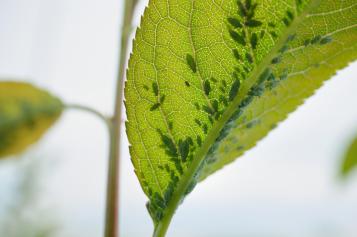
Lemon myrtle has relatively few pest and disease issues, but aphids, mites, scale and psyllids can occur. These pests feed on sap, weakening soft new growth and sometimes causing leaf distortion. They can also lead to sooty mould, a black surface fungus that grows on sticky honeydew produced by sap-sucking insects.
Myrtle rust is an important disease to be aware of because lemon myrtle belongs to the Myrtaceae family. It's noted that myrtle rust is not established in WA and that suspect symptoms should be reported to the Pest and Disease Information Service. Good plant health, airflow and early pest monitoring will help reduce common problems.