How to grow Nasturtiums
Nasturtiums are bright, easy-going annuals that bring instant colour to garden beds, pots, veggie patches and hanging baskets. Their round leaves and cheerful flowers have a relaxed cottage garden feel, but they are also useful plants for edible gardens because the leaves and flowers can be eaten fresh in salads.
They are beginner-friendly, fast to grow from seed and happy in many parts of Australia. The main thing to remember is not to overdo the feeding. Too much rich fertiliser can encourage lots of leafy growth at the expense of flowers, so nasturtiums are best grown in free-draining soil with simple, steady care.
Top 5 steps to growing nasturtiums
-
Choose a sunny to lightly shaded position with well-drained soil.
-
Sow seeds directly where they are to grow.
-
Keep soil moist while seeds germinate and seedlings establish.
-
Avoid heavy feeding, as rich nitrogen feeding can reduce flowering.
-
Pick flowers and leaves regularly, and remove spent blooms to encourage more flowers.
Essential shopping list
-
Nasturtium seeds or seedlings
-
Organic mulch
-
Garden gloves
-
Small trellis, hanging basket or support if growing trailing types
Preparation
Nasturtiums are not fussy, but they do best in a position with full sun to part shade and soil that drains well. A sunny spot will usually give stronger flowering, while light shade can help in hotter areas. Avoid wet, heavy ground because young seedlings can struggle if the soil stays too damp.
Before sowing, remove weeds and loosen the soil so the young roots can get started easily. If the soil is very poor or compacted, work through a modest amount of compost or soil improver. Keep the preparation gentle rather than overly rich, as nasturtiums often flower best when they are not pushed with too much nitrogen.
Planting nasturtiums in the garden
Nasturtiums are best sown directly into the garden because they are quick to grow and do not need complicated starting conditions. Sow seeds where you want them to grow, cover them with soil or seed raising mix, water gently and keep the area moist until seedlings appear.
For a practical Australia-wide planting window, sow nasturtiums from August to December in most areas, with later sowing into early autumn possible in warmer climates where summer heat is not severe. This is the safest website-ready recommendation because nasturtiums can struggle in extreme heat, even though some guides allow broader sowing depending on climate.
Once seedlings are growing, thin or space plants so they have room to spread. Bush types are useful for borders and pots, while trailing types can be used over edges, up low supports or through informal garden beds.
Growing nasturtiums in pots
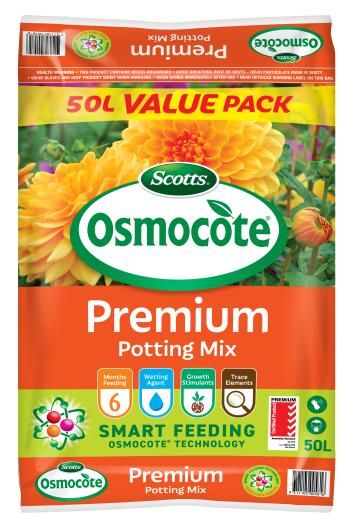
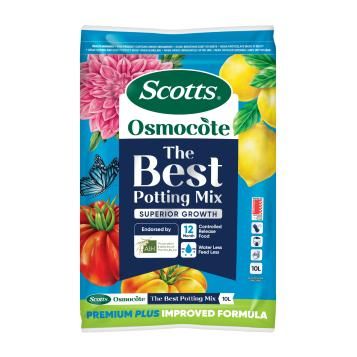
Nasturtiums grow well in pots, tubs and hanging baskets, especially compact or trailing varieties. Choose a pot with good drainage holes and fill it with a quality potting mix such as Scotts Osmocote® Premium Potting Mix. This gives young plants a reliable start while still allowing water to drain freely.
Position pots where they receive plenty of light. Hanging baskets and containers can dry out faster than garden beds, so check moisture often during warm weather. Water deeply, then allow excess water to drain away. Do not let pots sit in saucers of water for long periods.
☀️ HOW TO GROW NASTURTIUMS IN WESTERN AUSTRALIA CONDITIONS
Nasturtiums suit many Western Australian gardens, particularly where they can grow through milder conditions rather than peak summer heat. In Perth and similar Mediterranean-style climates, sowing from late winter into spring is a practical approach, giving plants time to establish before the hottest weather arrives.
Choose a sunny position with free-draining soil, water regularly while plants are young and avoid overfeeding. In very sandy soils, a little organic matter can help with establishment, but keep the soil open and not too rich.
Watering and feeding
Keep soil or potting mix evenly moist while seeds germinate and while young plants establish. Once plants are growing well, water when the top layer of soil begins to dry, especially during warm or windy weather. Established nasturtiums are fairly easy-going, but pots will need more regular attention than plants in the ground.
Go easy on fertiliser. Nasturtiums are known for flowering well in moderately poor soil, and too much feeding can encourage leafy growth instead of flowers. If plants are in pots and growth slows, use a light feed only and always follow label directions.
Pruning and maintenance
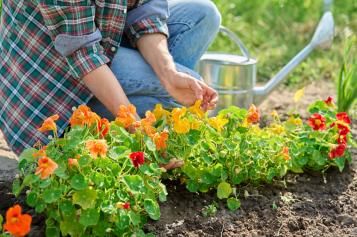
Nasturtiums need very little maintenance. Remove spent flowers to keep plants looking fresh and to encourage more blooms. If trailing plants become too long or messy, trim them back lightly and they will usually reshoot while conditions are warm.
They can self-seed readily, so deadhead plants before seed drops if you want to keep them contained. In informal gardens, this self-seeding habit can be useful, but in more managed spaces it is worth keeping an eye on.
Flowering and growth
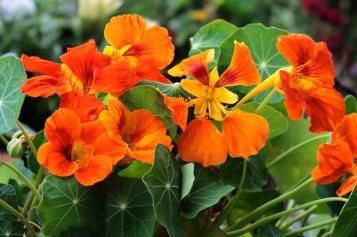
Nasturtiums flower mostly through the warmer months, with many Australian guides noting summer and autumn flowering depending on when they are planted. Flower colours commonly include cream, yellow, orange and red, sometimes with striped or bi-coloured forms.
Both flowers and leaves are edible, with a peppery flavour that works well in salads and as a garnish. Pick flowers in the morning when they are fresh, and only eat plants that have not been treated with unsuitable chemicals.
Climate and positioning tips
Nasturtiums can be grown across many Australian climates, including cool temperate, warm temperate, arid, subtropical and tropical regions, but the best timing changes with local conditions. In cooler climates, spring sowing is the safest option. In warmer climates, sowing can often extend into autumn, while extreme summer heat may reduce performance.
Give them sun for strong flowering, but use part shade in hot areas if plants are wilting or flowers are fading quickly. A little afternoon protection can help them keep growing through warm spells.
How to propagate nasturtiums
Nasturtiums are grown from seed. Sow them directly into garden soil or pots, keep the area moist and allow the seedlings to establish where they are growing. Larger seeds are easy for beginners and children to handle, making nasturtiums a great choice for first-time gardeners.
Seeds can also be collected from mature plants once they dry, but check local weed advice if plants are spreading beyond where you want them. Gardening Australia recommends checking local authorities or Weeds in Australia for weed potential in your area.
Pests & diseases
Nasturtiums are often used in veggie gardens because they attract common pests such as aphids, caterpillars, mites and whitefly, helping draw pest pressure away from other crops. This makes them useful companion plants, but it also means they should be checked regularly.
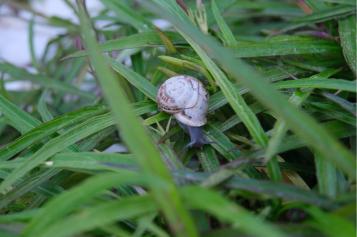
Slugs and snails may damage young seedlings, especially in damp conditions. Remove heavily affected leaves, improve airflow if plants become too dense and use garden-safe pest control only where needed and suitable for edible plants.