How to get rid of clover in the lawn
How to get rid of clover in the lawn
Clover is one of those weeds that seems to pop up everywhere. Once it’s established, it can spread quickly through your lawn and into nearby garden beds. While bees and other pollinators love its flowers, most gardeners would rather see healthy turf than patches of clover. The good news is that with the right approach, you can control clover and help your lawn grow back stronger. This guide explains how to get rid of clover in lawn areas and how to remove clover from lawn without damaging suitable turf.
What is clover?
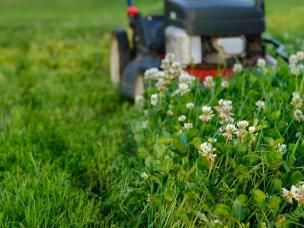
Clover is a perennial broadleaf weed that forms a dense, low-growing mat of foliage. Each leaf is made up of three rounded leaflets, often marked with a pale green or white ‘V’ shape. The edges of the leaflets are lightly serrated, and the plant produces small flower heads in shades of white, pink, red, yellow or purple.

You'll find clover growing throughout the year in many parts of Australia, with flowering most common from winter through to summer. In rural areas, it’s often included in pasture crops for cattle and sheep.
There are more than 300 species of clover worldwide, but the most common types found in Australian lawns and gardens include:
- White clover, Dutch clover and Ladino clover: White or creamy-pink flowers and creeping stems that take root wherever they touch the soil.
- Red clover: Distinctive purple-red flower heads and an upright growth habit that can reach up to 50cm tall.
- Strawberry clover: Pinkish flowers that develop into seed heads resembling small strawberries or raspberries.
- Shamrock, lesser trefoil and suckling clover: Annual plants with small yellow flowers, rounded leaflets and deep root systems.
And if you happen to spot a four-leaf clover, consider yourself lucky. It's a rare genetic variation of the more common three-leaf clover.
Why is clover a problem?
Clover can be attractive in some gardens, but many homeowners prefer a thick, even lawn made up entirely of turfgrass. In lawns, clover competes with grass for space, moisture and nutrients, and can spread quickly through creeping stems to form dense patches. As these patches expand, they can smother turf grass, reducing turf density, and create an uneven appearance. Clover is also highly tolerant of mowing and can take advantage of thin or weakened areas where lawn grass is struggling to grow.
Flowering clover attracts bees and other pollinators, which is great for biodiversity but may be less desirable in lawns that are regularly used by children and pets. Some clover species can also provide a refuge for pests such as red-legged earth mites and light brown apple moth. Certain clovers can also produce burrs or prickles that cling to pets, causing irritation and helping the weed spread to new areas. While clover isn't always harmful, large infestations can make it harder to maintain a healthy, uniform lawn.
Why is clover growing in your yard?
Clover is often found in lawns with low nitrogen levels. Because it belongs to the legume family, it works with nitrogen-fixing bacteria in its roots, allowing it to grow well even when lawn grass is struggling. For that reason, a clover infestation can sometimes be a sign that your lawn would benefit from more regular nutrition and maintenance.
So how did it get there in the first place? Clover seeds are commonly spread by wind, birds, animals and nearby plants. Once they find a thin or bare patch of lawn, they can establish quickly and begin spreading through creeping stems.
How to prevent clover
The best defence against clover is a healthy lawn. Thick, vigorous turf leaves less room for weeds to establish and makes it harder for clover to gain a foothold. Here are a few simple ways to keep your lawn in top shape:
1. Mow regularly
Regular mowing helps remove flower heads before they can set seed. If clover is present, rake the area before mowing to lift creeping stems (stolons) so they can be cut more effectively. If plants have already flowered, collect the clippings to help prevent seeds from spreading around the lawn.
2. Feed your lawn
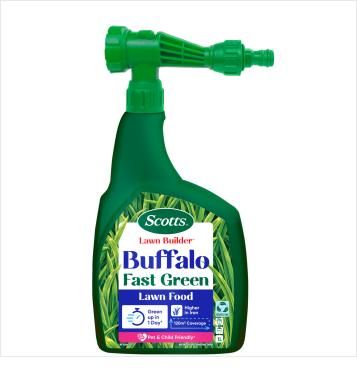
A well-fed lawn is naturally more resilient to weeds. Aerate compacted soil and apply a quality lawn fertiliser to encourage strong growth. Products such as Scotts Lawn Builder Liquid Lawn Food Fast Green, Scotts Lawn Builder™ Lawn Health Liquid Lawn Fertiliser and Scotts Lawn Builder™ All Lawn Types Slow Release Lawn Fertiliser can help maintain a thick, healthy lawn that is better able to compete with clover.
3. Check the label
If you're repairing bare areas or sowing a new lawn, check seed mixes and green manure blends carefully. Some blends may contain clover, so it's worth reading the label before sowing to avoid accidentally reintroducing it.
How to get rid of clover
If you've got a clover problem, the best time to tackle it is when plants are actively growing. In most parts of Australia, that means late winter, spring or autumn. Here's how to get clover out of your lawn areas:
1. Feed your lawn with a high-nitrogen fertiliser
One of the first things to consider is whether your lawn is getting the nutrients it needs. Because clover often gains an advantage in low-nitrogen conditions, improving lawn nutrition can help turfgrass compete more effectively. If your lawn looks pale or lacks vigour, apply a high-nitrogen fertiliser such as Scotts Lawn Builder™ All Lawn Types Slow Release Lawn Fertiliser.
2. Minimise bare patches of lawn
Clover is an opportunistic weed that thrives where turf is thin or sparse. Encourage thick, healthy grass growth to reduce the space available for weeds. Products such as Scotts Lawn Builder™ Lawn Thickener Lawn Seed can help fill gaps and improve lawn density over time.
3. Use a clover weedkiller
A selective clover weed killer can kill clover in grass while protecting suitable lawn grasses when used as directed. Selective broadleaf weedkillers like Scotts Lawn Builder Bindii, Clover and Broadleaf Liquid Lawn Weedkiller can be an effective way to control clover without damaging suitable lawn grasses. Always choose a product that is appropriate for your lawn type and follow the label directions carefully. Buffalo, Kikuyu, Couch and other turf varieties can respond differently to herbicides, so checking compatibility before application is essential.
4. Remove clover by hand or mow
Hand-weeding or mowing can be useful for smaller infestations, particularly where you prefer not to use herbicides. The best approach depends on the species you're dealing with. Bird's-foot trefoil can be difficult to remove by hand because the roots often break off and regrow.
Regular mowing before flowering or treatment with a selective broadleaf weedkiller is generally more effective. Shamrock and bur clover often respond well to physical removal. Bur clover can be pulled out by hand while plants are small, but avoid composting them, as the burrs can continue to spread. For shamrock, rake the foliage upright before mowing to improve control.
5. Consider whether clover is actually a problem
Before reaching for the weedkiller, it may be worth considering whether the clover is causing an issue. Clover flowers are an important source of nectar for bees and other pollinators, and small patches are often tolerated in low-traffic areas of the garden.
If only a few plants have appeared in garden beds, removing them by hand with a lawn weeder or knife may be all that's needed. Where clover isn't affecting the health or appearance of your lawn, there's also nothing wrong with leaving a little behind for local wildlife.
FAQs
What’s the best way to remove clover?
The best method depends on the type of clover and the size of the infestation. For most species, hand-weeding, regular mowing and selective broadleaf weedkillers can all be effective. Combining weed control with good lawn care will usually deliver the best long-term results.
What kills clover but not grass?
Selective broadleaf weedkillers are designed to target weeds such as clover while leaving suitable lawn grasses largely unaffected. Always choose a product suited to your lawn type and apply it according to the label directions.
What’s the best time to kill clover?
In most parts of Australia, clover is best treated during active growth in late winter, spring or autumn. Controlling plants before they flower and set seed can help prevent future infestations.
Why does clover keep coming back?
Clover is a resilient weed that can regrow from roots, stems and seeds left behind after removal. It is also well adapted to lawns with low nitrogen levels or thin turf cover. Keeping your lawn healthy, well-fed and densely covered will help your grass outcompete clover and reduce the chances of it returning.