How to remove purslane weed
How to remove purslane weed
Purslane, also known as pigweed, is a low-growing succulent weed that spreads fast and seeds even faster. Thanks to its deep, well-anchored taproot and its knack for re-rooting from fragments left behind after pulling, it's a genuinely tricky weed to control. Left alone, purslane will invade your lawn and take over garden beds, smothering grass and plants in the process. Thankfully, with the right approach, it's easy to get on top of. Here's how to identify, prevent, and get rid of purslane in your yard.
What is purslane?
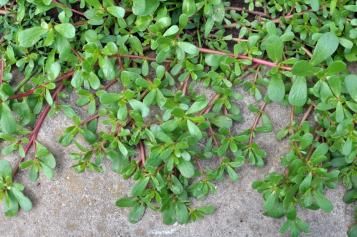
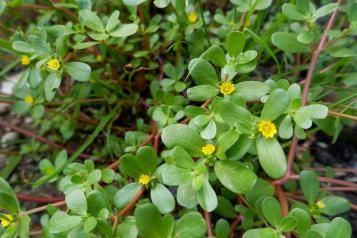
Purslane is a fast-growing annual broadleaf weed with succulent leaves and stems. It grows reddish-brown stems that form a dense mat, spreading to about a metre in diameter and up to 40cm tall in the right conditions (it hugs the ground more closely when moisture is scarce). From these stems, it sprouts clusters of fleshy, oval succulent leaves that store water when it's available.
Given enough water, the stems will also shoot out small yellow flowers with four or five petals. Count yourself lucky if you catch one of these flowers blooming - they typically only open for a few hours on bright, sunny mornings. Once pollinated, the flowers give way to small pods packed with tiny brown or black seeds. When these pods mature, they burst open, scattering seed far and wide.
Underground, the plant relies on a single taproot to anchor it into the ground.
Purslane’s leaves, stems, flowers and seeds are edible, with a slightly tangy flavour sometimes compared to watercress or spinach. However, only eat purslane that has been positively identified, and avoid plants that may have been exposed to herbicides, animal waste or roadside pollutants.
Why is purslane a problem?
A single purslane plant can produce up to 240,000 seeds over its lifetime. It’s a prolific seeder and an aggressive spreader that’ll quickly take over your lawn and garden beds if given half the chance. Once it makes itself at home, it forms large, dense mats of weed that choke out lawn grass and other plants, stealing nutrients, water and sunlight, and leaving behind patchy, thinning areas of lawn in the process.
Purslane can also be a tricky weed to control. Seeds can lie dormant in your soil for decades before sprouting when the conditions are right. The plant also has fleshy water-storing stems that help it survive harsh conditions, and it can re-root and regrow from even the smallest of fragments left behind after weeding.
Why is purslane growing in your yard?
Purslane produces thousands of seeds that can spread into your yard on people, animals, or equipment, or by simply blowing in from next door.
Once it's found a way in, purslane thrives in unhealthy lawns, often taking hold in bare or thinly grassed patches. It's an incredibly resilient plant, able to tolerate hot, sunny weather, drought, and poor soils alike. It's not fussy either. From heavy, compacted clay to dry, light, sandy soil, purslane can make itself at home just about anywhere.
How to prevent purslane
When it comes to keeping purslane out of your lawn, a healthy turf will do a lot of the heavy lifting. But there are also a few ways to stop purslane from germinating in the first place. Here’s how to keep purslane out of your yard:
1. Don’t carry seeds in
If you’ve been working in an infested area, make sure to clean equipment, tools, clothes and shoes to avoid carrying any seeds into your backyard. It’s also worth asking your neighbours to get rid of any plants they find too, since seeds can blow in from next door.
2. Avoid tilling
Turning over the soil in your garden beds can bring dormant seeds to the surface, where they get the sunlight they need to germinate. Avoid disturbing your soil unless necessary.
3. Feed your lawn with a high-quality fertiliser
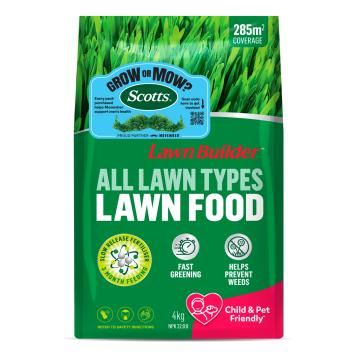
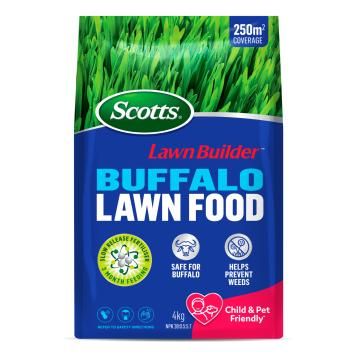
A dense turf can naturally outcompete weeds like purslane. To keep your lawn thick and healthy, feed it with a high-quality fertiliser like Scotts Lawn Builder™ 3in1 Weed, Feed & Green Up Liquid Lawn Fertiliser or Scotts Lawn Builder™ All Lawn Types Lawn Food, 4KG | Love The Garden. We recommend feeding your lawn twice a year in spring and autumn.
4. Minimise bare patches of lawn
Don’t let purslane find any bare patches to move into. Repair your lawn and fill in any gaps with a product like Scotts Lawn Builder™ Lawn Thickener Lawn Seed. The product contains a blend of grass seeds suitable for thickening up any lawn, including buffalo. It also contains a slow-release fertiliser to give the new grass a kick-start with a boost of nutrients.
5. Raise your mower
Regular mowing is so important for maintaining a healthy lawn that can outcompete weeds. But never cut too short. Scalping your lawn (cutting into the stem of the grass) can lead to a patchy lawn. Instead mow at the recommended height for your turf type and avoid scalping - this not only avoids scalping your lawn, but it also keeps the grass a bit taller, which will shade purslane and starve it of sunlight.
6. Mulch garden beds
Add a thick layer of mulch to your garden beds. Mulch smothers weeds and blocks sunlight from reaching purslane seeds, helping reduce germination. Mulch will also keep your garden beds in top condition by helping the soil to retain moisture and keeping plants cool during heatwaves.
How to get rid of purslane
You can kill purslane by either pulling weeds by hand or spraying with a purslane weed killer.
1. Dig out plants
If you’ve noticed individual purslane plants in your lawn or garden beds, you can pull them out by hand. Just try to get to them when they’re still young, as the longer you wait, the harder it’ll be - purslane’s taproot forms as it matures. Don’t leave pulled plants on the ground as purslane is capable of re-rooting and re-growing when left on the surface of the soil. Seeds can also mature and spread from dislodged plants.
If you’re digging out patches in your lawn, fill in any bare spots with a topdress mix like Scotts Lawn Builder Top Dress 25L, 25L | Love The Garden and a lawn thickener like Scotts Lawn Builder™ Lawn Thickener Lawn Seed.
2. Use a weedkiller
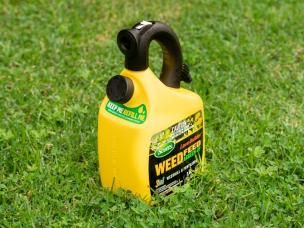
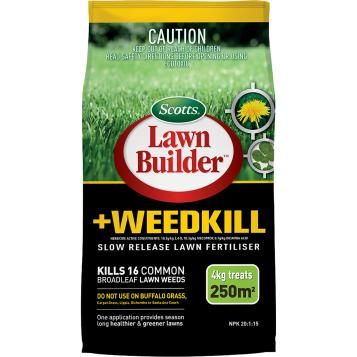
Use a selective broadleaf herbicide like Scotts Lawn Builder™ Bindii Weedkiller to kill pigweed. It’s formulated to kill the broadleaf weeds listed on the label, without harming lawn grass and other plants when used as directed on compatible lawn types. It’s suited to all lawns, including buffalo, and it contains fertiliser to help your lawn bounce back faster. Spray when plants are young, as older plants are harder to kill.
FAQs
What is pigweed?
Pigweed is another name for purslane, a low-growing, succulent weed with reddish-brown stems and fleshy, oval leaves. It's known for forming dense mats across lawns and garden beds, and while it's considered a nuisance weed, it's actually edible for humans.
What does pigweed look like?
Pigweed, or purslane, is a succulent weed that forms dense mats of reddish-brown stems and clusters of fleshy, oval leaves. If enough water is available, the plant will also produce small yellow flowers with four or five petals that open only on bright sunny mornings.
How to get rid of pigweed
To get rid of pigweed, or purslane, pull young plants out by hand before the taproot has a chance to mature, making sure to remove them from the soil surface rather than leaving them to re-root. For larger infestations, a selective broadleaf herbicide can help, along with keeping your lawn thick and healthy to naturally crowd it out.
What kills purslane but not grass?
Selective broadleaf herbicides are designed to kill broadleaf weeds like purslane without harming grass and other plants.
Why is purslane so hard to get rid of?
Purslane is hard to get rid of because it produces thousands of seeds that spread easily by people, animals and on the wind. Purslane can also be tricky to pull out because mature plants have thick taproots that anchor them into the ground. Even when removed by hand, purslane can re-root and re-grow if the remnants are left on the soil surface.