

When the Heat Is On, Keep Your Lawn Strong
Australian summers are made for backyard cricket, barbecues and long afternoons outdoors. But extended heat, drying winds and limited rainfall can place your lawn under real stress.
The good news is that a brown or wilted lawn is not always a dead lawn. With the right watering, mowing and feeding habits, you can help protect the roots and give your grass a better chance of recovering when conditions improve.
How to spot heat stress in your lawn
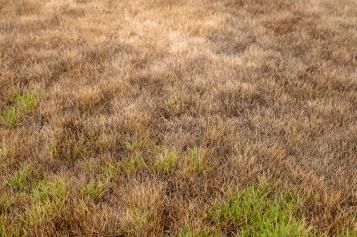
One of the first signs of heat stress is a change from vibrant green to a dull grey-green colour. The grass may also look flat or hold your footprints after you walk across it.
As stress increases, the leaves may turn brown and feel dry or crunchy. The grass above ground can look badly affected while the roots and growing points remain alive, particularly in established warm-season lawns.
Before giving up on the lawn, check the soil and look closely for signs of surviving growth near the base of the grass.
Water deeply, not lightly
Deep, less frequent watering is generally more useful than a quick daily sprinkle. Aim to moisten the root zone rather than wetting only the surface.
Water early in the morning so moisture has time to soak into the soil before the heat of the day. Avoid watering automatically if the soil is still moist, and always follow local water restrictions.
If water pools, runs off or struggles to penetrate the surface, a wetting agent may help distribute moisture more evenly through water-repellent soil.
Raise your mowing height
Leave the grass slightly longer during hot weather. Taller leaves help shade the soil surface and reduce stress on the lawn.
Avoid removing more than one-third of the leaf height in a single mow. Cutting too low during hot, dry conditions reduces the lawn’s ability to photosynthesise and may expose the soil to additional heat and moisture loss.
Where suitable, mulch mowing can return finely cut clippings to the lawn. These clippings break down over time and can help shield the soil surface.
Feed before extreme heat arrives
A well-fed lawn can develop stronger growth and a healthier root system, but timing matters. Fertilise while the lawn is actively growing and has access to adequate moisture, rather than applying fertiliser to severely heat-stressed or dormant grass.
For reliable seasonal feeding, use Scotts Lawn Builder™ All Lawn Types Lawn Food. Its slow-release formula feeds for up to three months and supports thicker growth and deeper roots. Do not apply it when temperatures are expected to exceed 30°C.
Where dry patches or water-repellent soil are also an issue, consider Scotts Lawn Builder + Wetting Agent Lawn Food. It combines slow-release feeding with a wetting agent that helps moisture penetrate the soil.
Always check the weather forecast, measure the lawn and follow the application rate on the product label.
Give a tired lawn extra support
For a convenient liquid boost, Scotts Lawn Builder Liquid Lawn Food Lawn Health contains nutrients for growth and greening, along with potassium to support lawn resilience.
Its humic acid also helps with nutrient absorption, beneficial soil microbes and moisture retention. Apply only as directed and avoid feeding a severely stressed lawn until conditions improve.
Why keep your lawn healthy through summer?
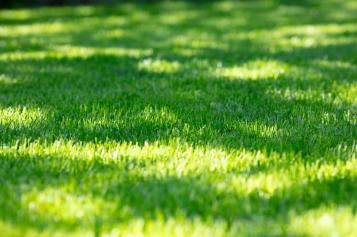
Living lawns and other vegetation can contribute to cooler outdoor spaces through shade and evapotranspiration. They also create a comfortable surface for play, entertaining and everyday backyard life.
Keeping an established lawn alive may also reduce the time and expense involved in repairing or replacing large dead areas after summer.
That does not mean using water without care. Check the soil before watering, water the root zone efficiently and comply with all local restrictions.
Your summer lawn checklist
-
Water deeply in the early morning when the lawn needs it.
-
Raise the mower height and avoid scalping stressed grass.
-
Keep mower blades sharp for a cleaner cut.
-
Feed before extreme heat, not during severe heat stress.
-
Use a wetting agent where water struggles to enter the soil.
-
Follow local watering rules and every product label.
A summer lawn does not need to look perfect every day. Protect the roots, reduce unnecessary stress and give the grass what it needs to recover when cooler conditions return.