How to get rid of couch grass
How to get rid of couch grass
Noticed a grassy intruder sneaking into your garden beds or spreading across your lawn? You might be dealing with couch grass, also known as bermuda grass, a fast-spreading summer grass known for its hardiness and rapid spread. It's often grown deliberately for its hardiness and knack for establishing quickly, but that same trait makes it a nuisance weed too, sneaking into areas it's not wanted, like other lawn types, and garden beds, where it can choke out surrounding grasses and plants. It's a tricky problem to get on top of, thanks to its fast-spreading trait. Thankfully, with the right approach, you can get it under control. Here's how to identify, prevent, and get rid of couch grass.
What is couch grass?
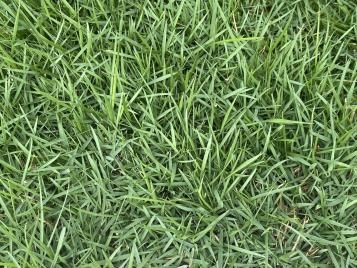
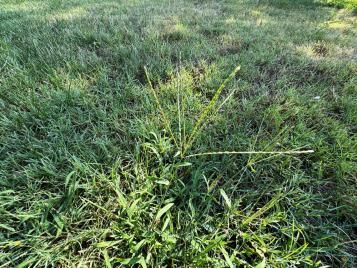
Couch grass is a warm-season spreading grass that forms mats of soft, carpet-like turf. Its leaves are fine and narrow, typically light green to blue-green in colour.
Couch grass is a perennial, germinating from summer through to autumn and flowering mainly from late winter into spring, when it shoots up unbranched flower spikes carrying tiny yellowish-green flowers. These later give way to golden, finger-like seed heads.
It spreads via above-ground runners (stolons) and underground rhizomes, which is part of what makes it so quick to establish and so hard to contain once it gets going.
Couch grass grows fast, spreads readily, and is remarkably hardy. It's able to tolerate both drought and heavy wear. Thanks to these traits, it's often used as a lawn grass in its own right, especially in warmer climates, and is a popular choice for golf courses and sporting fields since it can be mowed low for that neat, manicured look. But because of its tendency to spread aggressively, many gardeners consider it a weed too. Left unchecked, it'll happily creep into garden beds.
Why is couch grass a problem?
Because couch grass is quick to establish, fast to spread, and easy to maintain, it’s often deliberately chosen as a lawn grass. But the same traits that make it a desirable lawn grass can also make it a nuisance weed. Couch grass is highly invasive once established, spreading both underground via rhizomes and aboveground via stolons. This dual approach not only helps it spread quickly, but also lets it repair itself even after heavy wear and tear.
The trouble is, couch grass doesn't know when to stop. Its creeping rhizomes make light work of sneaking under garden edging, meaning it can easily find its way into garden beds and other spots it's not welcome.
Once it's made its way in, couch grass can crowd out flowers, veggies, and other less vigorous plants, competing with surrounding plants for water, nutrients and space. It can also be tricky to control, thanks to its knack for regenerating from any roots left behind after weeding.
Why is couch grass growing in your yard?
If couch grass makes up your lawn, chances are it's already spreading beyond its boundaries and into garden beds nearby. That's just what it does.
But if you don't have a couch lawn and you're wondering how it got in, there are plenty of ways it could've found its way to your yard. It might have crept in from next door, slipping beneath fences, paths, and garden edging without you noticing. Segments of rhizome can also hide within the rootballs of other plants, while seeds and tiny root fragments can sneak in through contaminated soil, mulch, or even garden tools.
Once it's in, couch grass tends to thrive. It's a tough plant that can handle a range of conditions, though it particularly loves plenty of sun and warm weather. It's not fussy about soil either, adapting well to sandy, loamy, or clay soils alike.
How to prevent couch grass
Keeping couch grass out of your yard comes down to a few things: maintaining a healthy turf that can outcompete weeds, slowing its spread from other areas, and securing your garden beds and borders. Here's how:
1. Dig up plants early
If you've spotted a few individual clumps of couch grass popping up, dig them out straight away. The earlier you catch it, the better - young plants are easier to remove, and getting to it before it goes to seed gives you a much better shot at staying on top of it before it spreads further.
2. Inspect incoming plants
Couch grass is a sneaky weed, often sneaking into new yards hidden in the rootballs of other plants. Before planting anything new, or moving plants from one spot to another, check the rootballs and remove any tangled-up couch grass rhizomes you find.
3. Install deep borders
Install a durable root barrier to an appropriate depth for the site, checking regularly for runners crossing over or around it. Good materials include thick plastic, galvanised iron, or other durable metals like steel or aluminium.
4. Check garden bed edges
Check your borders every few weeks, especially in warmer months, to catch any creeping couch grass runners before they make a dash for your garden beds.
5. Feed your lawn with a high-quality fertiliser
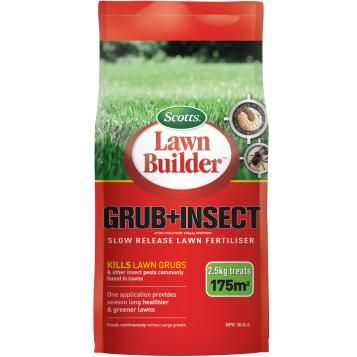
A nice thick lawn will naturally outcompete couch grass. Feed your lawn twice a year, in spring and autumn, with a high-quality fertiliser like Scotts Lawn Builder™ 3in1 Weed, Feed & Green Up Liquid Lawn Fertiliser or Scotts Lawn Builder™ All Lawn Types Lawn Food, 4KG | Love The Garden.
6. Minimise bare patches of lawn
Couch grass will happily take advantage of any bare patches in your lawn, so it's worth filling in the gaps. Overseed any bare or thin spots with a lawn seed like Scotts Lawn Builder™ Lawn Thickener Lawn Seed. It works on all lawn types, including buffalo, and includes a mix of lawn seed and slow-release fertiliser to help new grass establish.
How to get rid of couch grass
To remove couch grass from your garden beds or lawn, you've got two main options: removing it by hand or using a weedkiller.
Removing couch grass without chemicals
Removing couch grass from garden beds without chemicals
1. Dig up affected plants
Couch grass is notorious for creeping into garden beds and tangling itself up with the roots of other plants, so the best place to start is by lifting out anything affected. Tackle this after rain or the day after watering, when the soil's soft and everything comes up more easily. Use a hand fork to gently loosen the soil around each plant before lifting it out, keeping the rootball as intact as possible.
2. Untangle the rootballs
Carefully tease apart the rootballs of your other plants and pick out every visible couch grass segment you can find. Even small fragments can regrow if left there. Once cleared, pot the plants up or move them to a temporary bed so they're out of harm's way while you deal with the infested soil.
3. Clear the bed
Dig over the infested bed thoroughly, breaking up clumps of soil as you go to expose any hidden rhizomes. Take your time. Even a small fragment left behind can be enough for the plant to bounce back.
4. Re-plant the bed
Once you're confident you’ve removed all the couch grass, you can replant your garden bed. It's a good idea to keep an eye on the area over the following weeks, just in case any missed rhizome fragments resprout.
Removing couch grass from lawn without chemicals
1. Strip off turf
For lawns heavily infested with couch grass, the most effective approach is to strip off the existing turf entirely, rather than trying to spot-treat individual patches. This gives you a clean slate to work with and makes it much easier to remove the rhizome network hiding underneath.
2. Dig out all couch rhizomes
Once the turf is removed, dig over the soil and remove every trace of couch grass rhizome you can find. Be thorough here - any fragments left behind can regrow and undo all your hard work.
3. Re-turf or reseed the lawn
Once you've dug out the couch grass, fill in any bare patches by overseeding with a topdress mix like Scotts Lawn Builder Top Dress 25L, 25L | Love The Garden and a lawn thickener like Scotts Lawn Builder™ Lawn Thickener Lawn Seed. This helps stop any couch grass seeds from finding a bare patch to move into, giving your new lawn the best possible head start.
Removing couch grass using weedkiller
Removing couch grass from garden beds using weedkiller
-
Choose a non-selective weedkiller
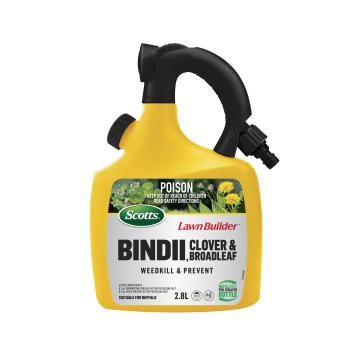
Look for a weedkiller containing glyphosate. Just be aware this is a non-selective herbicide, meaning it'll kill any plant it touches, not just couch grass.
-
Spot spray carefully
Apply the weedkiller directly onto the couch grass, taking care to minimise overspray onto surrounding plants. If you're spraying near garden beds, shield nearby plants from spray and avoid contact with desirable foliage, following the label directions. Spring is the best time to spray, since couch grass is actively growing and will absorb the weedkiller more effectively.
-
Repeat as needed
Repeat until you're confident you’ve killed off all the couch grass, but only at the interval stated on the product label.
-
For heavy infestations, dig up your plants first
If couch grass has taken over a large area, it's worth digging everything up and potting your plants in a temporary bed before spraying. Treat the now-empty area with weedkiller, and wait until all the grass has died off completely before replanting.
Removing couch grass from lawn using weedkiller
Selective options for couch invading another turf species are limited and depend on the lawn type and registered product label.
-
Spray the entire lawn
Apply a weedkiller containing glyphosate across the affected area. Keep in mind this will kill all the grass it touches, couch and turf grass alike, so this option only makes sense if you're prepared to replace your whole lawn.
-
Wait for the grass to die off
Give the glyphosate time to work and kill off all the grass in the treated area before moving on to the next step.
-
Rebuild the lawn
Once everything's dead, dig over the area, then re-turf or re-sow to establish a fresh, couch-grass-free lawn.
FAQs
What is bermuda grass?
Bermuda grass is another name for couch grass, a fast-spreading, warm-season perennial that forms mats of soft, carpet-like turf. It spreads via above-ground runners and underground rhizomes, and is known for being quick to establish and hard to contain once it takes hold.
How to get rid of bermuda grass
To remove bermuda grass, or couch grass, hand-dig smaller infestations, making sure to remove every trace of rhizome, since even a small fragment left behind can regrow. For larger infestations, carefully apply a non-selective weedkiller containing glyphosate, making sure to avoid spraying other plants. There's no selective weedkiller that'll kill bermuda grass in a lawn without harming the surrounding turf, so to remove couch grass from lawn strip back the turf, dig out the rhizomes, and re-turf or reseed from scratch.
Why is couch grass so hard to get rid of?
Couch grass is hard to get rid of because it spreads via both above-ground runners and underground rhizomes. This dual approach not only helps it spread quickly, but also lets it repair itself fast when damaged, meaning it can bounce back even after attempts to kill it off.