The Ultimate Guide to Hydrangeas Care
Hydrangeas (Hydrangea macrophylla) are the perfect flowering shrub for part shade AND their big blousy flower heads provide long-lasting colour from late spring and right throughout summer.
Hydrangeas lose their leaves in autumn or early winter and grow best in temperate and cool climates with warm dry summers and cool winters. Depending on the cultivar you’ve chosen, many hydrangeas flowers will also change colour depending on the soil pH and, yes you can alter the soil pH to change the flower's colour. Acidic soil will encourage blue flowers, alkaline soil will bring out pink flowers, while most white hydrangeas will remain white regardless of the soil pH.
4 top tips for growing hydrangeas
- Choose a semi or part-shade position, protected from the hot afternoon sun.
- Hydrangeas need regular watering during warm weather for the best and biggest flowers
- Hydrangeas are hungry plants, improve the soil with compost before planting and fertilise regularly with a liquid or controlled-release fertiliser
- Prune in winter, taking care not to remove stems that have NOT yet flowered, as they’ll produce the blooms for the coming season.
Essential shopping list for growing hydrangeas
- Hydrangea plant
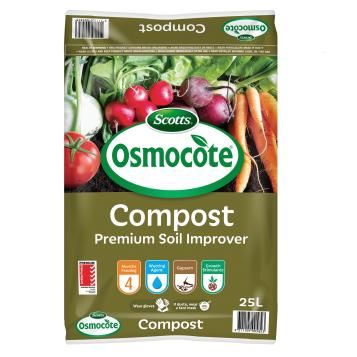
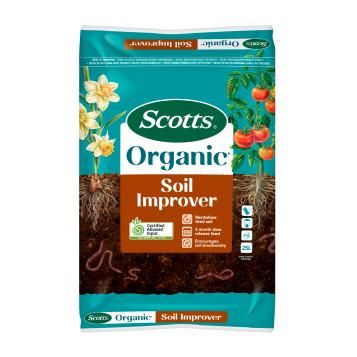
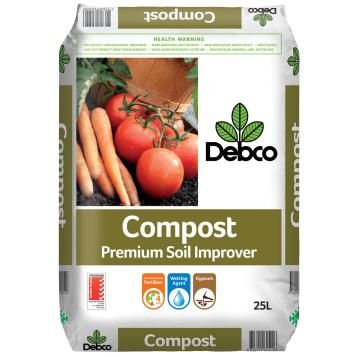
- Scotts Osmocote Compost Premium Soil Improver
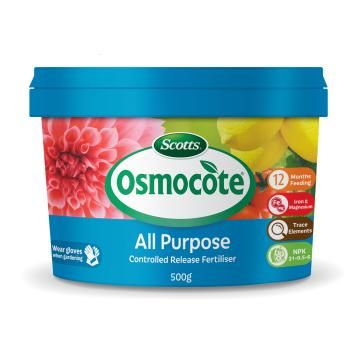
- Scotts Osmocote® Controlled Release Fertiliser: All Purpose
- Garden Shovel
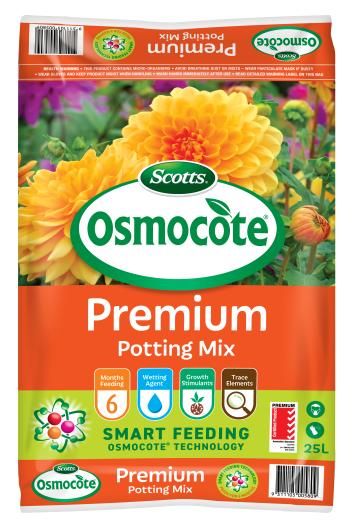
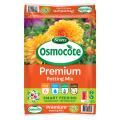
- If growing in pots, you’ll need Scotts Osmocote® Premium Potting Mix + Scotts Osmocote Controlled Release Fertiliser for Pots, Planters and a suitable pot or container
- Defender Pyrethrum Insect Spray
- Mulch
- Scotts Osmocote® Seed & Cutting Potting Mix
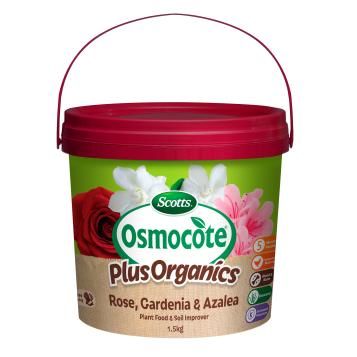
- For blue hydrangeas fertilise with Scotts Osmocote® Plus Organics Roses, Gardenias & Azaleas Plant Food & Soil Improver
Preparation & planting hydrangeas in the garden
Hydrangeas require a semi or part shaded position, that’s protected from strong winds and hot afternoon sun. They also like a free-draining, yet moist soil.
The planting hole should be twice as wide as the original pot and the same depth. Fluff up the soil at the bottom of the hole and mix a little Scotts Osmocote Compost Premium Soil Improver through the original soil at the bottom of the planting hole.
Gently remove the hydrangea from the nursery pot and tease the roots lightly if they are compact. Plant into the prepared hole and backfill around the plant. Water in well. Once the plant shows signs of new growth, fertilise it with Scotts Osmocote® Controlled Release Fertiliser: All Purpose every 6 months.
Growing hydrangeas from cuttings
Softwood cuttings of hydrangeas can be taken in spring or early summer.
- Take a 10cm cutting from the growing tip of a stem no thicker than a pencil.
- Dip the cut end into hormone rooting powder or gel and stick the cutting into a pot filled with Scotts Osmocote® Seed & Cutting Potting Mix.
- Keep the potted cuttings moist, in a warm shaded spot until they strike roots.
- Transplant them to larger pots or your garden once they’ve developed roots and new growth.
Growing hydrangeas in pots
Hydrangeas grow very well in pots, making them a great choice for patios, courtyards, balconies and small gardens. Growing in containers also makes it easier to move plants into the best light and manage soil conditions for flower colour. With the right pot, quality mix and regular watering, hydrangeas can thrive for many years.
Step 1: Choose the right pot
Select a large pot or planter with good drainage holes. Hydrangeas need room for their roots, so choose a container at least 50cm deep and around the same width. Larger pots dry out more slowly and help support healthy growth.
Step 2: Add quality potting mix
Fill the pot with a premium potting mix designed for containers. A mix that retains moisture while still draining well is ideal, as hydrangeas prefer evenly moist soil. You can also blend in compost for added nutrition.
Step 3: Plant your hydrangea
Gently remove the hydrangea from its nursery pot. If roots are tightly wound, tease them out lightly before planting. Position the plant at the same depth it was growing previously, then backfill around the root ball and firm the mix gently. Water in well after planting.
Step 4: Place in the right position
Put the pot in a semi-shade or part-shade position, protected from hot afternoon sun and strong winds. Morning sun with afternoon shade is ideal for most hydrangeas.
Step 5: Water regularly
Hydrangeas in pots dry out faster than those planted in the ground. Water deeply whenever the top layer of mix begins to dry out. During warm weather, you may need to water several times a week. Consistent moisture helps prevent wilting and poor flowering.
Step 6: Feed for healthy growth
Once new growth appears, apply a controlled-release fertiliser or liquid feed suitable for flowering shrubs. Reapply as directed through the growing season to encourage lush foliage and abundant blooms.
Step 7: Prune and refresh when needed
After flowering, remove spent blooms and lightly prune where suitable for the variety. Every few years, refresh the potting mix or move the plant into a larger container if roots become crowded.
How to care for hydrangeas
Fertilising hydrangeas
When should you fertilise hydrangeas?
Hydrangea are hungry plants and benefit from two feeds a year: once in early spring as new growth appears, and again in late spring or early summer.
What's the best fertiliser for hydrangeas?
Hydrangeas benefit from balanced feeding during the growing season. The right fertiliser can support healthy leaves, stronger stems and more abundant blooms. Use a slow-release fertiliser like Scotts Osmocote® Controlled Release Fertiliser: All Purpose. Products with added potassium can help support flowering. Avoid excessive nitrogen, which may encourage leaf growth at the expense of blooms.
How often should you fertilise hydrangeas?
Slow-release fertilisers are usually applied once or twice per year, depending on the product. Liquid fertilisers can be applied more regularly during active growth by following label directions.
How do you fertilise hydrangeas in garden beds?
Spread fertiliser evenly around the drip line of the plant, not directly against the stems. Water well after applying to help nutrients move into the soil.
How do you fertilise hydrangeas in pots?
Container-grown hydrangeas need more regular feeding because nutrients leach from potting mix faster than garden soil. Use a controlled-release fertiliser and supplement with liquid feed during the growing season if needed.
Can fertiliser change hydrangea flower colour?
Flower colour is influenced by soil pH rather than fertiliser alone. To encourage blue blooms, keep the soil acidic and apply a hydrangea blueing powder (aluminium sulphate). For pink blooms, add garden lime. Feed with Scotts Osmocote® Plus Organics Roses, Gardenias & Azaleas Plant Food & Soil Improver. Only mophead and lacecap hydrangeas (Hydrangea macrophylla, H. serrata) change colour with soil pH. White-flowered varieties, and types such as H. paniculata and H. arborescens, won’t change colour regardless of soil pH - check the label when you purchase it to be sure.
Watering hydrangeas
How often should you water hydrangeas?
Hydrangeas will need a twice-weekly deep watering throughout spring and summer, if they dry out their flowers will fail or dry off. Help retain moisture around the plants by using an open organic mulch around your hydrangeas.
Pruning hydrangeas
When should you prune hydrangeas?
Prune mophead and lacecap hydrangeas in winter - July to August, or late August to early September in frosty areas. Cut stems that flowered back to the first pair of fat buds, and leave stems that didn’t flower, as these produce next winter’s blooms. Panicle and smooth hydrangeas (H. paniculata, H. arborescens) flower on new wood and can be cut back harder in late winter.
How do you prune hydrangeas?
Use clean, sharp secateurs to remove dead, damaged or weak stems first. Then trim back spent flower heads and lightly shape the plant. Cut just above a healthy pair of buds where possible. Some hydrangeas tolerate harder pruning, especially varieties that flower on new wood. Others may lose next season’s flowers if cut back too heavily. Check the type of hydrangea before pruning.
Common pruning mistakes
- Pruning at the wrong time and removing next season’s flower buds.
- Cutting all stems back too hard every year.
- Using blunt or dirty secateurs that damage stems.
- Removing healthy new buds by mistake.
- Ignoring dead, diseased or crossing branches.
- Pruning stressed plants during extreme heat or drought.
- Not identifying the hydrangea variety before pruning
Common hydrangeas pests & diseases
If fungal diseases occur on your hydrangeas, it could be because of high humidity - remove lower branches to open up the plants and improve airflow.
Whitefly, aphids and scale can sometimes cause a problem on hydrangeas - spray any infestations with Defender Pyrethrum Insect Spray if needed.
Growing hydrangeas FAQs
Can hydrangeas grow in pots?
Yes, hydrangeas can grow very successfully in pots when planted in a large container with quality potting mix, regular watering and part shade.
How long can hydrangeas survive in pots?
Hydrangeas can live in pots for many years with proper care. They may eventually need repotting into a larger container or fresh potting mix as roots expand.
What size pot is best for hydrangeas?
Choose a pot at least 50cm wide and deep for long-term growth. Bigger containers are better because they hold more moisture and provide more root space.
How often should I water hydrangeas in pots?
Check the pot regularly and water whenever the top layer feels dry. In hot weather, potted hydrangeas may need watering several times a week or even daily during heatwaves.
Do hydrangeas need pruning every year?
Light annual pruning is helpful for shape and removing dead wood, but heavy pruning is not always needed every year.
How often should hydrangeas be fertilised?
Most hydrangeas benefit from feeding once in early spring, with a second application in late spring or early summer if required.
What is the best fertiliser for hydrangeas?
Scotts Osmocote® Controlled Release Fertiliser: All Purpose is usually ideal, as used in the care section above. Choose a product suited to your soil and plant needs.
Can I use rose fertiliser on hydrangeas?
Scotts Osmocote® Plus Organics Roses, Gardenias & Azaleas Plant Food & Soil Improver is a suitable choice, as it's balanced and not too high in nitrogen. Always follow label directions.
Should I fertilise hydrangeas in winter?
No, hydrangeas are usually not actively growing in winter, so fertilising is best saved for spring and the active growing season.