How to Grow and Care for Dahlias
Dahlias produce colourful blooms throughout summer and well into autumn in Australia. Their flowers can be big and blousy or small and dainty - there are many different varieties to choose from with different colours, shapes and styles of flowers.
You can also choose dahlias based on their mature plant height. Compact or bedding varieties will only grow to around 30cm tall and are perfect for pots. While tall growing varieties can reach up to 2 metres and they’ll need stakes for support.
Dahlias prefer to grow in warm temperate climates but will grow in most areas so long as the risk of frost has passed.
Each year dahlia plants produce a cluster of new tubers - lifting and dividing these tuber clumps each year will improve the size and quality of your dahlia blooms. It’s also an easy way to increase the number of dahlia plants in your garden or share excess tubers with friends.
5 Steps to Growing Dahlias
- Dahlias need a full sun spot, with some protection from hot afternoon sun and wind on extreme heat days
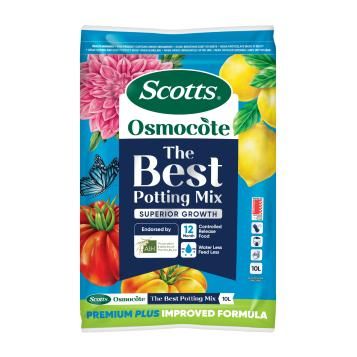
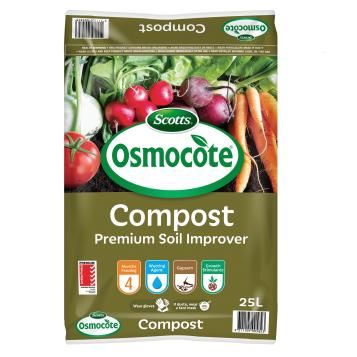
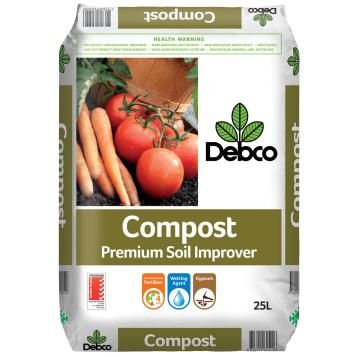
- Dahlias love growing in Scotts Osmocote Premium Plus Superior Potting Mix or a free draining soil with plenty of Scotts Osmocote Compost Premium Soil Improver added
- Dahlias are most commonly grown from dormant tubers or seeds but you can also find potted plants at your local nursery or garden centre
- Many dahlia varieties grow tall - tall growing varieties will need staking or supports
- Dig up dahlia tubers and divide them between Autumn or Winter. Store divided tubers in a dark and dry place ready for re-planting in Spring
Dahlia flowers
Dahlia flowers are known for their incredible diversity in colour, shape and size. They can range from small, simple blooms to large, fully double flowers that can reach dinner-plate proportions. Colours include white, yellow, orange, pink, red, purple and bi-colours, making them one of the most visually striking garden flowers.
Flowering typically begins in summer and continues through autumn until the first frosts. Individual blooms last several days to over a week, while plants continue producing new flowers over a long period when regularly deadheaded.
Different dahlia types produce distinct flower forms. Cactus dahlias have narrow, pointed petals that create a spiky, dramatic look. Anemone dahlias feature a raised central cushion of tubular florets surrounded by flatter petals. Water lily dahlias have broad, layered petals with a soft, elegant shape. Decorative dahlias are full and double with broad petals, making them one of the most popular garden and cut flower types. Ball dahlias produce perfectly rounded blooms with tightly packed petals for a structured, uniform appearance.
Dahlia types
Dahlias are available in many forms, from compact bedding plants to towering statement varieties.
Border dahlias
Border dahlias are compact varieties that typically grow to a smaller height, making them ideal for pots, garden edges and tight planting spaces. They produce an abundance of flowers over a long season and are often used to create neat, colourful displays at the front of garden beds.
Pompon dahlias
Pompon dahlias are easily recognised by their small, perfectly rounded blooms made up of tightly rolled petals. The flowers have a highly structured, almost geometric appearance and are usually quite uniform in size. They are excellent for cutting and add texture and formality to garden beds, with plants often producing multiple blooms at once on strong stems.
Dinner plate dahlias
Dinner plate dahlias are known for producing some of the largest flowers of all dahlia types, often reaching impressive sizes. Their blooms are bold, showy and highly decorative, making them standout feature plants in the garden. Because of their large flower heads, they often require staking to support the stems, especially in windy conditions or when in full bloom.
Collarette dahlias
Collarette dahlias produce single flowers with a distinctive inner ring of smaller, ruffled petals surrounding the central disc. This gives them a layered, star-like appearance that attracts pollinators such as bees.
Tree dahlias
The tree dahlia (Dahlia imperialis) is a separate species from garden dahlias, not just another variety. It’s a large, fast-growing plant with hollow, cane-like stems and lush foliage, typically reaching 3–5m tall (up to 6m in favourable conditions). It flowers from autumn into early winter, producing single lilac-pink blooms, and frost cuts the canes down over winter. It’s easily grown from cuttings taken from the hollow canes, and is best suited to spacious gardens where its size can be accommodated.
What's a dahlia tuber?
A dahlia tuber is a swollen underground storage root that holds energy and nutrients for the plant. Unlike a true bulb, dahlia tubers grow in clusters and sprout new shoots from the crown area where the tuber joins the stem. Healthy tubers are planted in spring and grow into vigorous flowering plants through summer and autumn
Dahlia tubers
Dahlias grow from tubers rather than bulbs. These fleshy underground structures store food for the plant and allow it to regrow each season. Once planted, shoots emerge from the crown and roots begin developing. Stems grow quickly, followed by buds and flowers during the warmer months.
What is the difference between dahlia tubers and bulbs?
Bulbs are layered storage organs, like onions or tulips. Dahlia tubers are swollen roots with a solid interior. New shoots emerge from the crown, not from the tuber body itself.
Preparation & Planting in the Garden
Dahlias need to be planted in a full sun spot, with free draining soil. Dahlias will appreciate protection from extremely hot afternoon sun and strong winds.
Prepare the soil before planting by mixing Scotts Osmocote Compost Premium Soil Improver through the top 10-20cm of soil.
Planting dahlia tubers
Dahlia tubers should be planted out in Spring once the risk of frost has passed. Plant tubers 10cm deep with any sprouting eyes facing up. Add a tall stake with the variety of name written on the stake at the time of planting if needed.
Protect the young sprouting dahlia leaves from slugs and snails by using beer traps (saucers filled with beer placed on the ground) or sprinkle some Defender Slug & Snail Pellets around each plant.
Planting potted dahlias
Plant potted dahlias into Scotts Osmocote The Best Potting Mix or in prepared free-draining soil with compost Remove the dahlia from the nursery pot and gently tease the roots if they are really compact. Plant dahlias into the prepared soil and backfill around the plant. Water in well and protect new shoots from slugs and snails with beer traps or Defender Slug & Snail pellets.
Planting dahlia seeds
Plant dahlia seeds 1cm deep into pots filled with Scotts Osmocote Premium Plus Superior Potting Mix, lightly cover the seeds and keep them lightly moist while they germinate.
Once the seedlings have 2-3 sets of leaves they can be transplanted into larger pots. If planting into the garden follow the steps above for planting potted dahlias.
Planting in Pots
If you want to grow dahlias in pots, look for medium to large pots or planters with good drainage - choose a pot that is at least 30cm deep and about the same width.
Fill your pot or planter with Scotts Osmocote Premium Plus Superior Potting Mix and plant a dahlia tuber, potted plant or seeds following the instructions above.
The best dahlias for pots are the bedding varieties or more compact varieties - look for this information on the label.
Fertilising & Plant Care
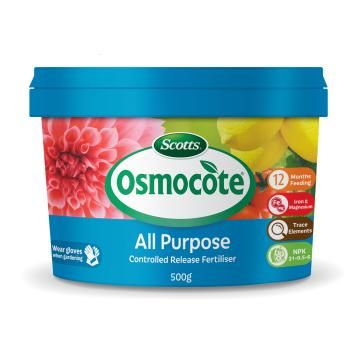
Once new shoots appear on young dahlia plants fertilise them with a dose of a potassium-rich fertiliser, like Scotts Osmocote All Purpose Controlled Release Fertiliser to encourage healthy growth and more blooms.
Dahlia tubers should be lifted and divided at the end of autumn or early winter each year. Cut down any foliage as it dies back at the end of Autumn. Carefully dig up the tuber clump and divide it into individual tubers making sure each tuber has a growth “eye”. Store these tubers in a dark and dry place over winter (a cardboard box filled with sawdust or shredded paper is ideal), ready for re-planting in Spring.
If your soil is very free draining you can lift, divide and immediately replant dahlia tubers in early spring each year.
Pests & Diseases
Keep slugs and snails from eating young dahlia foliage and flower buds by placing beer traps around plants or sprinkling Defender Slug & Snail pellets at the base of each plant.
Whitefly, aphids and scale can sometimes cause a problem on dahlias too - spray any infestations with an insecticide if needed.
Dahlia FAQs
Do dahlias flower every year?
Yes, dahlias are perennial plants that grow from tubers and can return each year if the tubers survive winter or are lifted and replanted.
How do you get more dahlia flowers?
Plant in full sun, feed regularly, water consistently and remove spent blooms to encourage continuous flowering throughout the season.
Are dahlias good cut flowers?
Yes, many dahlia varieties are excellent cut flowers and are widely used in floral arrangements due to their long stems and striking blooms.
Why are my dahlias not flowering?
Poor flowering is usually caused by insufficient sunlight, over-fertilising with nitrogen, irregular watering or plants that are still too young.
How should I store dahlia tubers?
Store tubers in a cool, dry and well-ventilated place in paper bags, cardboard boxes or trays with dry medium such as sawdust.
Do I cut roots off tubers?
Trim away thin feeder roots and damaged material, but keep the main tubers and crown intact.
How many dahlias will one tuber produce?
One tuber with a growth ‘eye’ produces one plant. By the end of the season, that plant forms a clump of several new tubers, which can be lifted and divided the following spring to create more plants.
Can I leave dahlia tubers in the ground?
In mild climates with free-draining soil, tubers can sometimes remain in the ground. In colder or wet areas, lifting is often safer.
How big do tree dahlias grow?
Tree dahlias (Dahlia imperialis) typically reach 3–5 metres tall, occasionally up to 6 metres in favourable conditions, making them ideal for large gardens.
What is the best dahlia for pots?
Compact border and dwarf dahlias are best for containers.
Which dahlias grow tallest?
Tree dahlias are the tallest, followed by some large decorative forms.
What are the easiest dahlias to grow?
Border and decorative dahlias are often easy, reliable choices for home gardeners.