How to grow elderflower
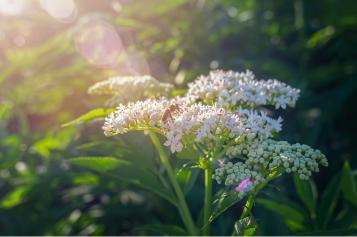
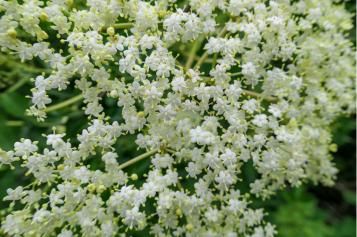
Elderflower, also known as elderberry, is a deciduous shrub or small tree grown for its fragrant white flowers and dark berries. It can be used as an ornamental feature in gardens, parks and roadside-style plantings, and the flower heads can be harvested for cordial, drinks, jellies, jams and pies.
Top 5 steps to growing elderflower
-
Choose a sunny to partly shaded position with moist, well-drained soil.
-
Improve the planting area with organic matter before planting, and avoid heavy soil that stays wet.
-
Plant in winter or spring so the shrub has time to establish before hot, dry weather.
-
Water regularly while young, then keep soil moisture consistent during warm or dry periods.
-
Prune after flowering or fruiting to manage size, improve airflow and remove old, weak or damaged growth.
Essential shopping list
How to prepare for planting elderflower
Choose a young tree with a straight trunk, healthy foliage and no signs of disease or pests. Prepare the planting area by digging a hole twice as wide and deep as the root ball. Break up any clumps of soil and enrich the backfill with composted organic matter or a soil improver.
How to plant elderflower
Growing in ground
Remove the tree from its container and gently loosen compacted roots. Place the tree in the centre of the hole and backfill with soil, keeping the tree at the same level it was in the container. Firm the soil gently to remove air pockets and water in well.
Growing in pots
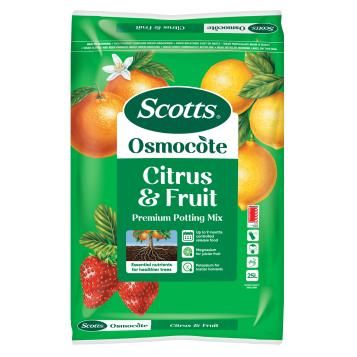
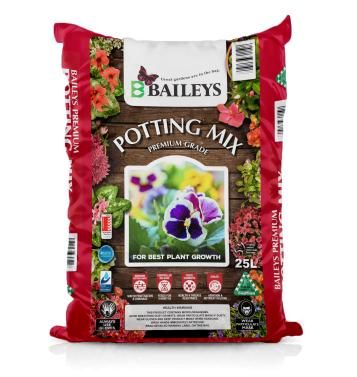
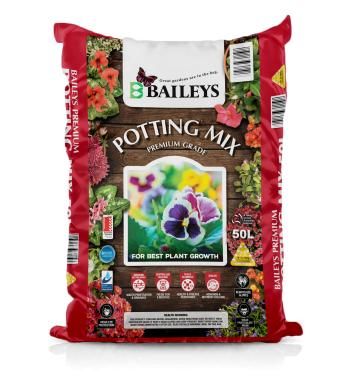
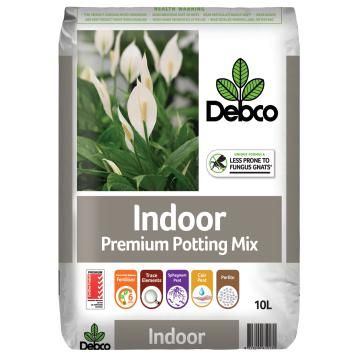
Choose a wide, deep pot with good drainage. Use a quality potting mix and place the pot where the plant can receive at least 6 hours of direct sunlight per day.
☀️ HOW TO GROW ELDERFLOWER IN WESTERN AUSTRALIA CONDITIONS
Elderflower, also known as elderberry, can be grown in Western Australian gardens, including Perth, when planted in a sunny position with moist but well-drained soil. It does not like sitting in wet, heavy soil, so improve sandy or tired soils with organic matter before planting and avoid areas that stay waterlogged.
Water regularly while the plant establishes, especially through hot, dry weather, and mulch around the root zone to help keep soil moisture more consistent. In warmer or drier parts of WA, elderflower will usually need more care than in cooler southern climates, and because it can spread in some areas, check local suitability and manage berries before they seed.
How to care for elderflower
Keep the soil moist but not waterlogged, especially during the first few months after planting. Add mulch around the base to help retain moisture and suppress weeds, keeping mulch away from the trunk.
Feed in spring and autumn with a complete, organic-based fertiliser. A liquid feed every 3 to 4 weeks during the growing season can support roots and new growth.
How to harvest elderflower
Harvest flower heads on a warm, dry day when the flowers are fully open and fragrant. Snip the heads with a sharp knife or scissors and leave some stem attached to help preserve flavour. Store harvested flowers in a paper bag or basket in the fridge until use.
pests & diseases
Elderflower is generally a hardy plant, but it can occasionally be affected by aphids, scale, mites and stem-boring insects. Check new growth, stems and the undersides of leaves regularly, and remove affected shoots if pests are causing distortion or dieback. Leaf spots, cankers and root rot can also occur, especially where plants are stressed, overcrowded or growing in poorly drained soil. Keep plants healthy with good airflow, consistent moisture and well-drained soil, and avoid overwatering around the root zone.