
Beautiful weather and lots of sun are usually enough to entice most of us outside, even in the middle of winter.
Sometimes the weather alone isn’t enough to get some of us into gardening but in times of hardship even the most reluctant seem ready to give it a go. It’s amazing how many people have taken up the hobby while they’ve been working from home or practicing their social distancing skills!
If this has got you even a little bit interested in trying your hand at gardening, you’ve come to the right place. We’ve put together a few of the best and easiest flowers and vegetables to get you started. There’s no time like the present to start digging, planting and getting your hands dirty.
Gardening Steps for Beginners
1. Plan what kind of garden you want: Do you want a flower garden, a vegetable patch, a herb garden or a bit of everything?
Maybe you just want to add a few pots or hanging baskets to add some splashes of colour to outdoor living areas. Whatever it is you want, the first thing you need as a newbie gardener is a plan.
2. Consider the weather and environment: How much light do you get? Do you get a lot of rain? It’s really important to check out what will grow well in your location by looking at neighbours’ gardens and looking at what’s available in your local garden center. There’s no point trying to grow a tropical plant in southern Australia, for example. Failure at the first hurdle is often enough to discourage any further attempts at growing things.
3. Healthy plants start from the ground up. Good garden soil should be crumbly, hold enough moisture for plant roots and still allow excess water to drain away. If your soil is hard, compacted or looking tired, work in a quality soil improver before planting. For an easy refresh, use Scotts Organic Soil Improver. It contains organic compost to replenish tired garden beds, encourages beneficial soil microorganisms and provides slow-release nutrients for up to three months. Think of it as a fresh start for your soil and a better foundation for everything you plant.
Three Favourite Flowers For Beginners
Seasonal flowers are a great way to find your gardening feet. Many grow quickly, deliver plenty of colour and are happy in garden beds or pots.
These three favourites are beginner-friendly, rewarding and full of personality:
Sunflowers
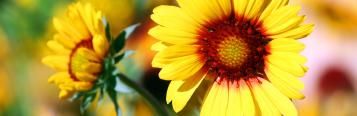
Big, bright and almost impossible not to love, sunflowers are a fun choice for gardeners of all ages. Sow sunflower seeds directly into a sunny garden bed or a large, well-drained pot. Taller varieties may need a stake or support as they grow, especially in windy areas. Smaller or dwarf varieties are a better fit for pots and compact gardens. Water young plants regularly while they establish, but avoid leaving the soil constantly wet. As the plants grow, they will turn a bare patch into a cheerful display of bold flowers. For an impressive wall of colour, plant several seeds together and give each seedling enough room to grow. Just check the mature height on the seed packet first. Some sunflowers really do grow big.
Pansies
Pansies may be small, but they know how to put on a show.
Their colourful, face-like flowers are perfect for pots, window boxes, hanging baskets and garden borders. They generally perform best during the cooler parts of the year and appreciate a position with sun or light shade, depending on your local climate. Plant seedlings into well-drained soil or quality potting mix, then water them in. Keep the soil lightly moist while the plants establish, without letting it become waterlogged.
Remove faded flowers regularly to keep the display tidy and encourage more blooms. With colours ranging from deep purple and blue to yellow, orange and white, pansies make it easy to brighten up small spaces.
Sweet peas
With delicate flowers, beautiful colours and a sweet fragrance, sweet peas bring old-fashioned charm to the garden.
Sweet peas are climbers, so plant them beside a trellis, wire frame or another support they can wind their tendrils around. Choose a sunny, well-drained position and check the seed packet for the most suitable sowing time in your region.
Water regularly as the plants establish and guide young shoots towards their support when needed. Once flowering begins, pick the blooms often and remove spent flowers before they form seed pods. This helps the plants put their energy into producing more flowers.
Sweet peas are wonderful along fences, near outdoor entertaining areas or anywhere you can enjoy their colour and fragrance. Give them something to climb and they’ll take it from there.
Three favourite vegetables for beginner gardeners
Growing vegetables is one of the most satisfying ways to get started in the garden. There’s nothing quite like harvesting something you’ve grown yourself, even if it’s only a handful of salad leaves for lunch.
Here are three reliable crops to help you get stuck in.
Potatoes
Potatoes are surprisingly easy to grow and harvesting them can feel like digging for treasure.
Plant certified seed potatoes in a sunny, well-drained garden bed, large pot or grow bag. As green shoots appear and grow taller, gradually cover the lower stems with more soil or planting mix. This process is known as “hilling” and gives the developing potatoes room to grow.
Keep the soil evenly moist while the plants are actively growing, but avoid soggy conditions. When the foliage begins to yellow and die back, your potatoes are getting close to harvest.
Salad leaves
Salad leaves are a quick and convenient crop for garden beds, troughs and pots.
Try loose-leaf lettuce, rocket or mixed salad greens. Sow a small amount at a time and repeat regularly, following the directions on the seed packet. This can help spread out your harvest rather than giving you more leaves than you can eat at once.
Keep the soil moist while seeds germinate and pick the outer leaves as you need them. In warmer weather, some afternoon shade may help protect tender leaves from harsh heat.
Fresh, homegrown salad straight from the garden? Sow good.
French beans
French beans are productive plants that can provide plenty of fresh pods from a relatively small space.
Dwarf varieties are well suited to pots and small garden beds, while climbing beans need a trellis or frame for support. Sow seeds directly into well-drained soil in a sunny position, following the spacing and seasonal advice on the packet.
Water consistently, especially once flowers and pods begin to form. Harvest beans while the pods are young and tender. Regular picking encourages the plant to keep producing.
A few final tips for beginner gardeners
A few final tips for beginner gardeners
- Water the soil, not just the leaves: Aim water towards the base of each plant so it reaches the roots.
- Check your plants regularly: A quick look every few days can help you spot dry soil, pests or other problems early.
- Start small: A few healthy plants are more rewarding than a large garden that becomes difficult to manage.
- Don’t be afraid of mistakes: Every gardener loses a plant occasionally. Learn what happened, try again and keep growing.
- Read the labels: Plant labels and seed packets contain useful guidance on sunlight, spacing, sowing times and watering.
Gardening isn’t about getting everything perfect. It’s about planting something, caring for it and enjoying what happens next. Start with a few easy favourites and let your confidence grow alongside your garden. Before long, you might surprise yourself with just how green your fingers can become.