
Growing Fruit and Vegetables in Containers
Even if you only have a small garden, balcony or courtyard, you can still grow plenty of tasty fruit and vegetables at home. Many productive crops grow well in pots, making it easy to keep fresh produce close to the kitchen.
Success starts with choosing the right container, using a quality potting mix and giving each plant enough room, sunlight and water.
Choosing a Pot or Planter
Almost any container can work, provided it is large enough for the crop and has adequate drainage holes. Before filling a large pot, place it in its final position, as it may become difficult to move once planted and watered.
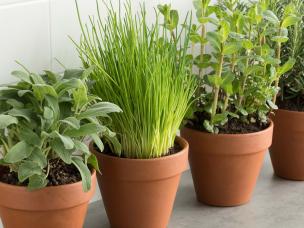
Plastic and composite pots are lightweight and generally hold moisture for longer. Terracotta pots have a natural look and provide good stability, but they can dry out faster during hot or windy Australian weather.
Whatever material you choose, make sure excess water can drain freely. Avoid leaving pots sitting in water, as waterlogged potting mix can damage plant roots.
What Size Pot Is Best?
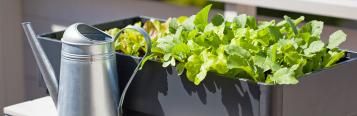
Leafy greens such as lettuce, rocket and Asian greens can grow in wide troughs, bowls and window boxes. Most larger vegetables need deeper containers with more potting mix to provide enough root space and help prevent rapid drying.
-
Capsicums and chillies: Choose a generous pot that can support the mature plant and developing crop.
-
Eggplants: Grow one plant in a large, stable container.
-
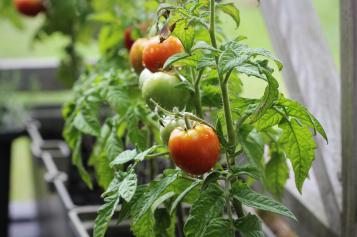
Tomatoes: Use a large pot with room for a stake, cage or other support.
-
Cucumbers: Choose a deep, stable pot and provide a suitable climbing frame.
-
Root vegetables: Carrots, parsnips and beetroot need enough depth for their roots to develop without restriction.
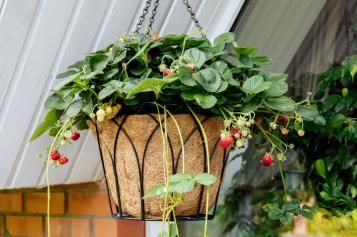
You can also grow herbs, strawberries and compact vegetables in hanging pots or planter bags. These smaller containers may dry out quickly, so check them regularly during hot, dry or windy weather.
As a general rule, larger containers hold more potting mix and stay moist for longer than small pots. Avoid placing a small plant straight into an oversized container, though. Choose a pot that suits the plant’s current size and expected growth.
Best Potting Mix for Vegetables and Herbs
Do not fill containers with garden soil, as it can become compacted and poorly drained in a pot. Instead, use a premium potting mix formulated for edible plants.
Scotts Osmocote® Tomato, Vegetable & Herb Potting Mix is specially formulated for vegetables and herbs grown in pots, planter boxes, raised beds and the garden. Use it straight from the bag and follow the directions on the pack.
Potatoes need a deep container with good drainage and enough room for the tubers to develop. Use a quality vegetable potting mix and keep the moisture level consistent. Potato scab is influenced by several factors, including soil pH and moisture, so an acid-loving plant mix should not be relied on as a complete method of prevention.
Best Potting Mix for Fruit Trees
Dwarf citrus and other compact fruit trees can grow well in large pots, provided they receive enough sunlight, water and root space.
Use Scotts Osmocote® Citrus & Fruit Potting Mix, which is specially formulated for fruit-bearing trees and shrubs grown in pots or the garden.
Choose a container that comfortably holds the root ball and provides room for growth without being excessively large. Repot when the tree becomes root-bound, outgrows its container or the potting mix is no longer performing well.
Top Tips for Growing Fruit and Vegetables in Pots
-
Choose the right position: Most fruiting vegetables and fruit trees need plenty of direct sunlight. Check the needs of the crop before deciding where to place it.
-
Water consistently: Aim to keep the potting mix evenly moist without leaving it waterlogged. Containers may need more frequent watering in hot or windy weather.
-
Check the included feed: Premium potting mixes may contain controlled-release fertiliser. Read the bag to see how long it feeds before applying an additional product.
-
Feed growing crops: Once the fertiliser in the potting mix has been used, apply a plant food suited to the crop and follow the complete label directions.
-
Provide support early: Add stakes, cages or climbing frames when planting tomatoes, cucumbers, beans and other climbing crops to avoid disturbing their roots later.
Feeding Potted Fruit and Vegetables
For vegetables and herbs, use Scotts Organic Plant Food Concentrate Tomato Veg & Herb according to the label directions.
For potted citrus and fruit trees, use Scotts Organic Plant Food Concentrate Citrus & Fruit according to the label directions.
Always apply fertiliser at the recommended rate. More is not better, particularly in containers where excess nutrients can build up around the roots.
Fresh Produce in Almost Any Space
With the right pot, quality potting mix and a little regular care, you can grow fresh fruit, vegetables and herbs in almost any outdoor space. Start with a few crops you enjoy eating, give them enough room to grow and keep a close eye on watering.