How to get rid of oxalis and creeping oxalis
How to get rid of oxalis and creeping oxalis
Spotted heart-shaped leaves and small yellow flowers between pavers, along garden-bed edges or through the lawn? You may be dealing with oxalis, including creeping oxalis or wood sorrel.
It might be prettier than your average weed (in fact, many species are grown ornamentally), but don’t let that fool you. Oxalis is a tricky weed to get rid of, thanks to fleshy energy-storing tubers that sit beneath the soil, helping the weed regenerate. Some species spread through small underground bulbs or bulbils that can be moved when soil is disturbed. Once oxalis takes hold, it spreads fast, and can quickly take over garden beds and lawns. Here’s how to identify, prevent, and get rid of oxalis for good.
What is oxalis weed?
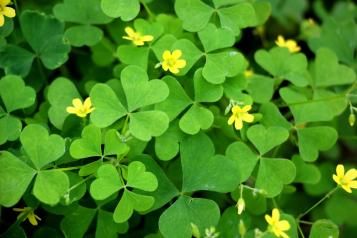
Oxalis weed is a low-growing broadleaf weed. You can identify oxalis by its small attractive flowers and delicate leaves, which can be green or purple-red. Oxalis is often mistaken for clover weed because the leaves look similar, but look closely and you’ll see oxalis leaves are shaped like tiny hearts. Another clue is that oxalis flowers, which can be white, pink, violet, red or yellow, have five petals. At the base of the plant, you'll often find a cluster of small bulbs (bulbils).
The Oxalis genus contains hundreds of species, including annual and perennial plants. We have about 30 varieties in Australia, most of them introduced, although we do have a few native varieties. The species you’re most likely to encounter in your garden include:
- Pink sorrel / sourgrass: Pink or violet flowers with petals 1-1.5cm in length. Grows to 45cm tall and prefers moist conditions.
- Soursob (especially in South Australia): Bright yellow flowers on this densely growing upright plant, which can reach up to 40cm in height. Particularly invasive, each plant can typically produce 20 new plants from its bulbils.
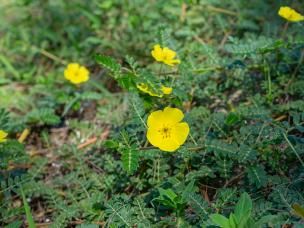
- Creeping oxalis / creeping wood sorrel: Small yellow flowers, with green or reddish-purple leaves that closely resemble clover. This low-growing weed can spread quickly and may be easy to miss around the base of other plants.
- Large-flower wood sorrel, purple wood sorrel: Dark green leaves, single deep pink flowers, occasionally white, with petals that are 2cm or more in length.
- Bowie's wood-sorrel / red-flower sorrel / cape shamrock: Bright pink flowers, the stem is typically 30cm or more in height.
- Pink wood sorrel: Pink flowers and dark green leaves.
- Pale wood sorrel: Individual stems up to 30cm each, but can spread higher against a wall or fence. Does particularly well in moist, shaded sites. White or light pink petals.
- Fishtail wood sorrel: Very low growing, with no stem. Fishtail or heart-shaped leaflets with pink, occasionally white, flowers.
- Least yellow sorrel: A tiny native species with intricate yellow flowers.
Why is oxalis weed a problem?
Oxalis is one of the trickier weeds to deal with. The first sign you have a problem might be a few delicate, innocent looking flowers popping up on your lawn. But look a little closer, and you’ll find it’s slowly taken over your lawn.
Part of what makes oxalis so hard to control is what’s happening underground. Some species have tuberous, fleshy roots that sit beneath the grass surface and spread through the soil, storing energy in a network of bulbs that can resprout even after the visible plant has been removed. A few species even produce tiny explosive bulbils that burst apart when disturbed, shooting in all directions and sprouting into new plants, making them especially hard to contain.
Above ground, oxalis can form dense mats that compete with turfgrass for space, water and nutrients. This can really impact the health of your lawn and garden beds, and lead to patchy uneven turf. To make matters worse, it has a habit of quietly creeping beneath grass runners to establish itself. By the time you notice it, it's often already deeply embedded and difficult to remove without damaging the surrounding lawn.
Oxalis can also be toxic to pets if ingested in large doses.
Why is oxalis weed growing in your yard?
Like other opportunistic broadleaf weeds, oxalis thrives in thin or patchy turf, so an infestation can be a sign your lawn needs some TLC. Oxalis prefers moist soil, so it can point to poor drainage.
But how did the oxalis get into your yard in the first place? Oxalis is often introduced in contaminated soil and pots. Seeds can also be brought in by birds and pets or blown in on the wind. Once oxalis has been introduced to your yard, it spreads aggressively via a network of underground bulbs, making it hard to control.
How to prevent oxalis weed
As with most opportunistic weeds, prevention is better than cure. A thick, healthy lawn leaves fewer gaps for creeping oxalis to establish, while good garden hygiene can help limit its spread. Weakening dormant bulbs can also help contain the plant. Here’s how to keep your lawn strong and minimise oxalis:
1. Feed your lawn with a high-quality fertiliser
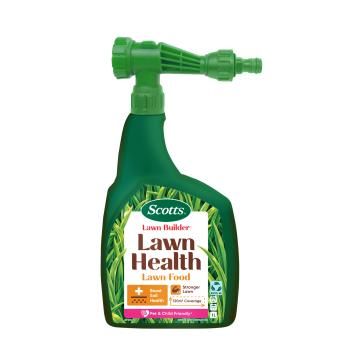
Regular feeding encourages a thicker lawn that gives creeping oxalis less room to establish. Apply Scotts Lawn Builder™ All Lawn Types Lawn Food evenly using Scotts® Easy Hand Held Fertiliser Spreader. Always follow the product label and avoid applying when temperatures are expected to exceed 30°C.
2. Avoid bringing oxalis in
Oxalis is often introduced into gardens via newly purchased plants. Check new plants for weedy growth on the surface of the soil.
3. Avoid disturbing your soil
Don’t disturb your soil unless you need to. Digging can bring dormant bulbs to the surface, leading to an explosion of new plants. Pulling the plant out by hand can also leave tiny bulbils behind, which can often resprout more plants than you started with. If you need to pull plants out by hand, do so very carefully, making sure to get all the bulbs and bulbils too.
4. Mulch garden beds
A suitable layer of mulch can suppress new oxalis growth and make emerging plants easier to spot and remove.
5. Use a selective lawn weedkiller
For oxalis growing in lawns, choose a selective weedkiller labelled for both oxalis and your grass variety. For buffalo lawns, use a product like Scotts Lawn Builder™ Buffalo Weed, Feed & Green Up Liquid Lawn Fertiliser. For all other types of lawn, go for Scotts Lawn Builder™ Weed, Feed & Green Up Liquid Lawn Fertiliser.
6. Minimise bare patches of lawn
Oxalis will take any opportunity to invade your lawn. Bare patches of lawn make it too easy. Use a product like Scotts Lawn Builder™ Lawn Thickener Lawn Seed to encourage a thick, healthy lawn that can better compete with invading oxalis.
How to get rid of oxalis weed
While the best defense is a nice thick lawn, if you’ve already got an oxalis problem, you’ll need to remove the weeds using both chemical and non-chemical methods. choose a control method suited to the oxalis species, its location and the size of the infestation:
1. Rake and mow
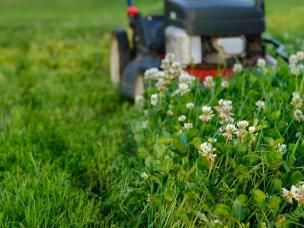
Tackle oxalis before it flowers and goes to seed, by raking and mowing, and then collecting and removing the weed segments from your garden. Repeated removal of top growth may gradually weaken some oxalis plants, although regrowth can occur from underground structures.
2. Remove by hand (very carefully)
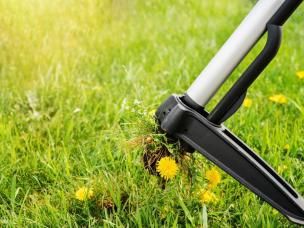
Another organic and non-chemical approach to controlling oxalis weed is to diligently remove whole plants by hand. Just be sure to remove all traces of the plant. You may need to remove surrounding soil using a trowel so that no bulbils are left behind to regrow. Never add oxalis to the compost heap.
3. Use a weedkiller
Use only a selective oxalis weed killer whose label lists the target oxalis species and confirms it is suitable for your lawn type. We recommend Scotts Lawn Builder™ Bindii Weedkiller for most types of oxalis - it’s particularly effective at creeping oxalis control. This oxalis weed killer can be used all year round and on most types of grass, although always check the label to make sure it’s suitable for your lawn. We think this is the best oxalis weed killer available to control this difficult weed.
An alternative is a glyphosate-based weedkiller product, but these can kill other nearby plants if not handled carefully, so it’s not recommended to use on lawns or near other plants.
Expect to apply chemical treatments several times. Always read the label and follow the manufacturer’s guidance so you apply the weedkiller at a safe rate for your lawn and other plants and animals. Between applications of weedkiller, applying a feed can give your grass a boost and help it to get ahead of the oxalis.
5. Mulch garden beds
In garden beds, carefully remove visible growth and as much of the underground plant material as practical, then apply a suitable layer of mulch such as Debco® Natural Designer Mulch or garden compost, to smother growth. Mulch helps soil retain moisture while also smothering weeds and starving any dormant bulbs or bulbils of the sunlight they need to germinate.
6. Lay new lawn (last resort)
A last resort is to remove the affected turf entirely, along with all sections of weed, and lay a new lawn.
FAQs
How do you know if you have oxalis?
Oxalis is often confused with clover, but can be recognised by five-petaled flowers and heart-shaped leaves. You’ll normally find oxalis in gaps between the sides of raised beds, between paving stones, and in other hard-to-reach cracks, as well as on lawns.
Are oxalis plants poisonous?
Some oxalis species contain oxalates and may be harmful if eaten in large quantities. If ingestion is suspected, contact an appropriate medical or veterinary professional.
How do you get rid of oxalis?
For small infestations, rake and mow before oxalis flowers, collecting all clippings. If removing by hand, take care to get the entire plant including bulbils, as any fragments left behind can resprout. For larger infestations, use a selective weedkiller suited to your turf grass.
What kills oxalis but not grass?
Selective herbicides are formulated to target broadleaf weeds like oxalis without harming grass. Make sure to choose a product suited to your specific turf grass. Always check the label and apply at the recommended frequency and quantity.