How to get rid of capeweed
How to get rid of capeweed
Don't let those vibrant yellow blooms fool you. Yes, capeweed is related to the sunflower, but it's anything but sunny. Given half the chance, this pervasive, fast-spreading weed will smother your lawn and other plants, quickly forming dense mats of weed and choking out everything in its path. It's also difficult to control, thanks to seedheads that produce thousands of wind-borne seeds and long taproots that are tricky to dig out. As capeweed dies back, it leaves behind patchy, uneven turf - the perfect condition for even more weed growth to take hold. Here's how to identify, prevent, and help bring capeweed under control and reduce the chance of it returning.
What is capeweed?
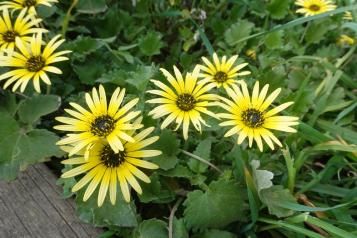
Capeweed is a low-growing annual weed closely related to the sunflower. It grows in a rosette shape close to the ground, with long, deeply lobed leaves that are smooth on top and felt-like underneath.
It has tall flower stalks that can grow to about 30 cm tall, topped with vibrant, daisy-like flowers with lots of yellow petals and distinctive dark purple centres.
Underground, capeweed has a long, thick taproot that grows deep into the soil, making it hard to pull by hand.
Capeweed seeds germinate in autumn, and the weed thrives over the winter months before flowering from late winter through spring and, in some areas, into summer. Its seed heads are brownish to pinkish and fluffy, and a single plant can produce thousands of seeds, helping it spread aggressively. Once established, capeweed grows in dense mats, smothering surrounding plants and grass.
Why is capeweed a problem?
A single capeweed plant can produce thousands of seeds, making it an aggressive spreader that can quickly take over your lawn. Once established, it forms large, dense patches that choke out lawn grass and other plants, competing with them for water, nutrients and sunlight. This weakens your turf, and once capeweed dies back in summer, it leaves behind unsightly bare and brown patches. These bare patches do more than affect the look of your lawn. They can also leave it vulnerable
Also worth noting if you have allergies - capeweed pollen can trigger hayfever and contact with the plant can lead to a form of contact dermatitis.

Capeweed can also be a difficult weed to control, thanks to its prolific seed production and a deep taproot that thickens with age, making it tough to pull by hand. Seeds can remain viable in the soil for several years before germinating when conditions are suitable.
It can also carry the redlegged earth mite, a major pest that can cause serious damage to seedlings and plants.
Why is capeweed growing in your yard?
Capeweed thrives in poorly maintained lawns, especially those with bare patches or thinning areas that give it a foothold.
It isn't fussy and can grow in most soil types, but it does prefer sandy soils. Capeweed is sometimes associated with fertile or phosphorus-rich soils.
It spreads easily too, thanks to fluffy seed heads that produce thousands of seeds. These readily attach themselves to animals, shoes, tools, and mowers, or simply blow in on the wind.
How to prevent capeweed
A healthy lawn is your best defence against weeds like capeweed. The key is minimising bare spots that capeweed can take advantage of. Here’s how to keep capeweed out of your yard.
1. Feed your lawn with a high-quality fertiliser
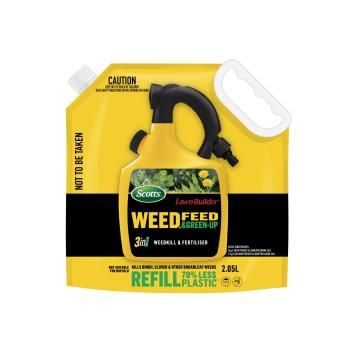
A well-fed, maintained lawn can prevent capeweed from growing. To encourage a healthy thick lawn, feed your lawn with a high-quality fertiliser. Use a liquid feed like Scotts Lawn Builder™ 3in1 Weed, Feed & Green Up Liquid Lawn Fertiliser or a granular one like Scotts Lawn Builder™ All Lawn Types Lawn Food, 4KG | Love The Garden.
2. Minimise bare patches of lawn
Capeweed is an opportunistic weed that'll take advantage of thin or patchy lawn. To maintain a thick healthy lawn that can outcompete invading weeds, fill in any gaps with a product like Scotts Lawn Builder™ Lawn Thickener Lawn Seed.
3. Mow before capeweed flowers
Mowing regularly encourages lateral growth, which makes your lawn look nice and thick. The other benefit of a well-trimmed lawn is that a once-over with the mower will cut capeweed stems before they have a chance to flower and go to seed. Aim to mow in autumn and winter, before capeweed flowers and sets seed.
4. Control capeweed early and keep your lawn healthy
Treat capeweed while it is young and actively growing, before it flowers and produces seed. Scotts Lawn Builder™ Weed, Feed & Green Up Liquid Lawn Fertiliser controls capeweed and other listed broadleaf weeds while feeding, greening and thickening compatible lawns. Do not use this formula on have buffalo grass; choose Scotts Lawn Builder™ Buffalo Weed, Feed & Green Up Liquid Lawn Fertiliser instead and always follow the pack directions.
5. Mulch garden beds
Add a thick layer of mulch around your garden beds. Mulch helps suppress capeweed by reducing the light available to germinating seedlings. As a bonus, mulch also helps soil retain moisture.
6. Stop the spread
If you’ve been moving through infested areas, make sure to clean your mower catcher and check shoes, tools and pets' paws to remove any seeds before they get a chance to spread. It’s also worth chatting to your neighbours about getting rid of any plants they find, since seeds can easily blow in from neighbouring yards.
How to get rid of capeweed
The best defence against capeweed is a healthy lawn that can naturally outcompete weeds. But if you’ve already spotted an infestation, you’ve got a few options. Your choice comes down to the size of the problem.
1. Dig out small infestations
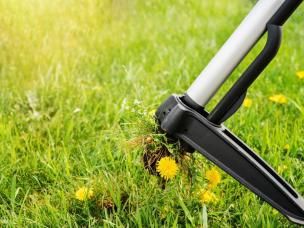
If you’ve noticed just a few weeds in your yard, you can remove them by hand using a garden fork, trowel or weeder. The weeds have a thick, fleshy taproot that can grow deep into the ground. Make sure to remove the crown and as much of the taproot as possible. If you don't remove it properly, the plant may regrow.
Once you’ve dug out the capeweed, top dress your lawn and reseed to fill in any bare patches with a product like Scotts Lawn Builder™ + Organics Lawn Topdress Mix and Underlay Soil, followed by Scotts Lawn Builder™ Lawn Thickener Lawn Seed.
2. Use a spot spray weedkiller
Another option for smaller infestations is to treat them with a selective herbicide. Apply the spray directly onto the capeweed's leaves, spot spraying just the affected patches. Selective herbicides are designed to target broadleaf weeds like capeweed while being suitable for the lawn types listed on the product label when used as directed.
The best time to apply a spot spray is in winter into spring, before capeweed has a chance to flower and set seed.
3. Use a hose-on all lawn weed killer
For larger infestations, it’s worth treating your whole lawn with a hose-on herbicide. Scotts Lawn Builder™ Weed, Feed & Green Up Liquid Lawn Fertiliser can also be applied this way. Its hose-on Easy Sprayer bottle makes it simple to cover your entire lawn, tackling capeweed along with any other common broadleaf weeds you might be dealing with, like clover and bindi. As a bonus, it also includes a fertiliser to give your lawn an extra boost of nutrients. Just note that this product isn't suitable for buffalo grass. For buffalo lawns, use Scotts Lawn Builder™ Buffalo Weed, Feed & Green Up Liquid Lawn Fertiliser instead.
Like the spot spray, the best time to treat your lawn is in winter through to spring, before the capeweed flowers and sets seed. If capeweed remains, repeat treatment only at the interval and rate stated on the product label.
FAQs
What kills capeweed?
For capeweed in lawns, use a selective broadleaf weedkiller that lists capeweed on the label and is suitable for your lawn type, applied either as a spot spray or as an all lawn hose-on treatment. Another way to kill capeweed is to remove the plant by hand, making sure to dig out the entire taproot. The best way to prevent capeweed is with a healthy thick lawn that naturally resists weeds.
Why is capeweed a problem?
Capeweed is a problem because it outcompetes desirable plants and lawn grass for nutrients, water and sunlight, leading to an unhealthy lawn. It’s an aggressive spreader and can quickly take over lawns. It dies in summer, leaving behind bare patches that are more vulnerable to future weed infestations.
Is capeweed toxic to humans?
Capeweed is not generally regarded as poisonous to people, but its pollen may trigger hay fever and skin contact may irritate some people. Capeweed can poison livestock when eaten in large quantities or under conditions that favour nitrate accumulation. Livestock concerns should be discussed with a veterinarian or local agricultural adviser.
When should you spray capeweed?
The best time to spray capeweed is in winter through to early spring, before the weed has a chance to flower and set seed.