How to get rid of bindii weed
If you've ever walked barefoot across the lawn in summer and felt a sharp sting underfoot, there's a good chance you've come across the weed bindii. While it's easy to miss during the cooler months, bindii quietly grows through autumn and winter before leaving behind its well-known prickly seed pods in spring and summer.
The good news is that bindii is manageable. With the right timing and a healthy lawn, you can get on top of it and help stop it coming back. Here's how to identify, prevent and get rid of bindii weed in your lawn.
What is bindii weed?
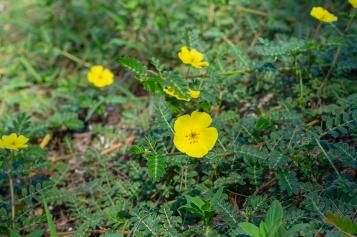
Bindii, also known as jo-jo or onehunga, is a low-growing annual broadleaf weed that's best known for its painful prickles. You'll recognise it by its feathery, carrot-like leaves, tiny yellow flowers and, later in the season, its sharp seed pods.
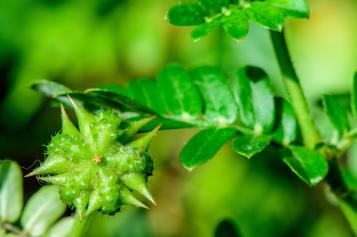
Those prickles are actually the plant's seed pods. Young bindii plants are soft, light green and covered in fine hairs. They typically grow to around 4cm in diameter in a rosette shape close to the ground. As the plant matures, the stems spread outward and produce small yellow flowers (about 3mm across), followed by the prickly seeds.
As the weather warms up, the plants die off, leaving the seed pods behind. The seeds remain in the soil before germinating in autumn. Bindii starts growing in autumn, flowers through winter and early spring, and drops its prickly seeds from late spring into summer.
Why is bindii a problem?
Like many broadleaf weeds, bindii grows close to the ground and can spread to form a dense mat. This competes with your lawn for water, nutrients and space, often leaving turf looking thin, patchy and uneven.
Of course, the biggest issue for most people is the prickles. The sharp seed pods can stick to bare feet, get caught in animal fur and become embedded in your pets' paws. Some people can also develop an itchy skin irritation known as bindii dermatitis after contact with the plant.
Bindii can also be persistent. A single plant can produce plenty of seeds, and those seeds can remain in the soil and germinate in future seasons if they're not controlled early.
Why is bindii growing in your yard?
Bindii seeds are easily spread on shoes, clothing, tools, vehicles and animals, which means they can find their way into almost any garden.
Bindii weed in lawn areas tends to establish most easily where turf is thin, compacted or underfed. Bare patches are particularly inviting because they provide open space for seedlings to take hold. That's why keeping your lawn healthy is one of the most effective ways to reduce future weed problems.
How to prevent bindii weed
Bindii is much less likely to become a problem in a thick, healthy lawn. A little lawn care goes a long way when it comes to preventing weeds from establishing in the first place.
1. Avoid carrying seeds in
Check your shoes, clothing, gardening tools and your pets' paws after spending time in affected areas. Removing seeds before they reach your lawn can help reduce the chance of new infestations.
2. Aerate your soil
Bindii thrives in compacted soil. Aerating your soil helps relieve compaction and allows more air, water and nutrients to reach the grass roots to improve lawn health.
Use a garden fork or lawn aerator to create holes across the lawn surface. While spring is often the best time to aerate, as the soil is usually moist and the lawn has plenty of time to recover and grow, aerating in autumn is usually preferred. Dry summers and foot traffic are the main causes of compaction.
3. Mulch garden beds
Apply a generous layer of mulch over garden beds. Mulch helps suppress weeds, reduces light reaching the soil surface and helps retain moisture, creating better conditions for your garden plants.
4. Raise your mower
Mow regularly, but avoid cutting your lawn too short. Keeping grass slightly taller, around 8cm where suitable for your lawn type, helps shade the soil surface and makes it harder for bindii seedlings to establish.
5. Feed with a high-quality fertiliser
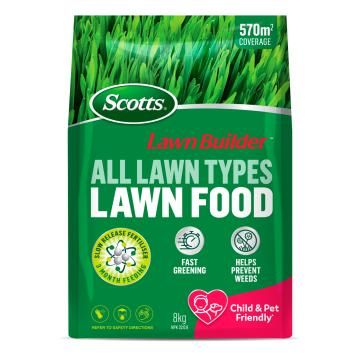
Healthy lawns are naturally better at competing with weeds. Feeding your lawn with a quality fertiliser such as Scotts Lawn Builder™ helps encourage stronger, thicker growth and fewer opportunities for weeds to move in.
For best results, feed in early spring, early summer and again in mid to late autumn.
6. Use a selective broadleaf weedkiller
Selective broadleaf weedkillers help control broadleaf weeds without harming suitable lawn grasses when used as directed.
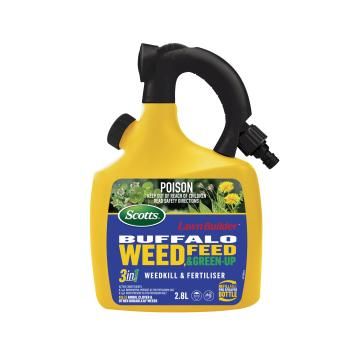
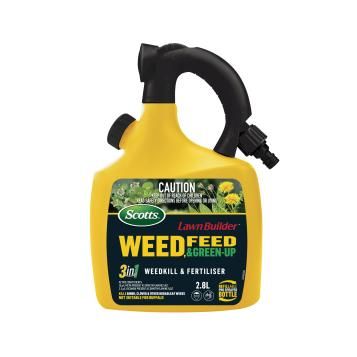
For buffalo lawns, choose a product specifically labelled for buffalo grass. Scotts Lawn Builder™ Buffalo Weed, Feed & Green Up Liquid Lawn Fertiliser is designed for buffalo lawns, while Scotts Lawn Builder™ Weed, Feed & Green Up Liquid Lawn Fertiliser is suitable for other common lawn types. These products combine lawn feeding with broadleaf weed control to help support a healthier lawn.
Scotts Lawn Builder Bindii, Clover & Broadleaf Liquid Weedkiller is a stand-alone selective broadleaf weed killer that can be used to effectively control bindii. It’s suitable for all lawn types (except ST buffalo varieties).
Always read and follow the label directions before use.
7. Minimise bare patches of lawn
Bindii looks for opportunities to establish, and bare patches provide the perfect opening. Encouraging thick, healthy turf helps reduce the space available for weed seedlings.
A product such as Scotts Lawn Builder™ Lawn Thickener Lawn Seed can help improve lawn density and support stronger turf growth.
How to get rid of bindii weed
A healthy lawn is your best long-term defence against bindii, but if the weed has already established itself, early action will give you the best chance of controlling it before prickles develop.
1. Kill bindii on sight
Treat bindii as soon as you spot it. Young plants are much easier to control than mature plants that have already produced seed.
Small infestations can be removed by hand if you remove the entire root. Alternatively, use a suitable selective broadleaf weedkiller to target individual plants.
2. Use a bindii weed killer
For larger infestations, use a selective broadleaf weedkiller designed for bindii and other broadleaf weeds.
For many lawns, the best bindii weed killer is a selective broadleaf treatment labelled for bindii and the relevant turf type. Scotts Lawn Builder™ Bindii, Clover & Broadleaf Weedkiller targets bindii, clover and other broadleaf weeds without harming established lawn grasses, including buffalo lawns, when used as directed. It can be applied whenever weeds are actively growing, although autumn and early winter are generally the best times to target young bindii before prickles develop.
How to get rid of bindii in summer
The easiest time to control bindii is during autumn, winter or early spring, before the plant has a chance to produce its prickly seeds.
If you've discovered bindii in summer, you can still kill the plant with a selective broadleaf weedkiller. However, you'll also need to remove the prickles, as the seeds they contain can remain in the lawn and germinate the following autumn.
Raking the lawn can help bring prickles to the surface, while some gardeners use duct tape to lift them from the lawn.
FAQs
How do you know if you have bindii?
Bindii has feathery, carrot-like leaves that grow close to the ground in a rosette shape. During winter and spring it produces tiny yellow flowers, followed by the familiar prickly seed pods in late spring and summer. If you're feeling sharp prickles underfoot during summer, bindii is a likely culprit.
When does bindii season start in Australia?
Bindii typically germinates in autumn and grows throughout winter. It flowers during winter and early spring before producing prickly seed pods in spring and summer. Most people become aware of bindii once the prickles appear.
How do you get rid of bindii?
Small infestations can be removed by hand using a trowel or garden fork, making sure the entire root is removed. For larger infestations, use a selective broadleaf weedkiller that's suitable for your lawn type. Maintaining a thick, healthy lawn also helps reduce the chances of bindii returning.
What kills bindii but not grass?
Selective broadleaf weedkillers are designed to target broadleaf weeds such as bindii while being suitable for lawn grasses when used according to the label. Always choose a product that's appropriate for your lawn type and follow the application instructions carefully.
What’s the best time to kill bindii?
The best time to control bindii is in late autumn, winter or early spring, before the plants have flowered and produced their prickly seed heads. Early treatment is usually easier and helps reduce seed production later in the season
Are bindii prickles dangerous to pets?
Bindii prickles aren't toxic, but they can be painful. The sharp seed pods can become lodged in your pet's paws, potentially causing irritation, limping or infection. They can also become tangled in fur and may be ingested when pets groom themselves.
Will bindii go away on its own?
No. Although bindii is an annual weed that completes its lifecycle within one year, it produces seeds before dying off. Those seeds can remain in the soil and germinate the following autumn. The best way to break the cycle is to control bindii before it sets seed and maintain a dense, healthy lawn that leaves little room for new weeds to establish.