
Things to consider before replacing your lawn

If patching and over-sowing just aren’t cutting it anymore, it might be time to think about starting fresh. Before you do, taking a moment to understand why your lawn struggled in the first place can make all the difference to your next one.
Here are a few key things to consider before you get started:
What went wrong with your existing lawn?
Identifying the cause — whether it’s soil issues, shade, wear or watering — helps avoid the same problem happening again.
Your site and what your lawn needs to handle
Think about sun and shade, soil type, foot traffic and how you plan to use the space.
Choosing the right grass type
Different grasses suit different conditions. Picking the right one from the start sets your lawn up for success.
Seed or instant turf?
Decide whether lawn seed or instant turf rolls are the best fit for your timeline, budget and lifestyle.
A great lawn starts with the right choices upfront — and a little planning now can save you a lot of effort later. Here’s how!
Why has your lawn failed?

If your previous lawn hasn’t worked out, figuring out why is an important first step. Understanding what went wrong helps you choose a new lawn that’s far more likely to thrive next time around.
Common reasons lawns struggle include:
Wear and tear
Some lawn varieties simply aren’t built to handle constant use. Kids, dogs and regular backyard footy can quickly wear out grasses that aren’t suited to heavy traffic.
A maturing garden
As gardens grow, conditions change. Increased shade, larger plants and established trees can compete with your lawn for light, water and nutrients — making it harder for grass to stay healthy.
Neglect
Lawns need a bit of regular care to perform well. Skipping basics like feeding, watering during dry spells or keeping weeds under control can slowly weaken your lawn over time.
Understanding your site and your needs
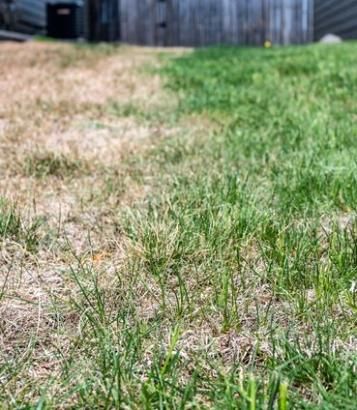
Every lawn is different, so taking stock of your growing conditions and how you use your space will help you choose a grass that suits your lifestyle — not the other way around.
Aspect
Does your lawn get full sun, full shade or a mix of both? Some grasses thrive in bright sun, while others cope better with shade or filtered light.
Soil
Clay soils and sandy soils both need a bit of help to grow a quality lawn. Improving soil structure before you start will make establishment much easier.
Rainfall
Choose a grass type that suits your local climate. Matching your lawn to natural rainfall patterns means less watering and less work overall.
Use
Will your lawn be more of a showpiece or a play space? Lawns that get regular foot traffic need tougher grass varieties.
Seed or instant turf?
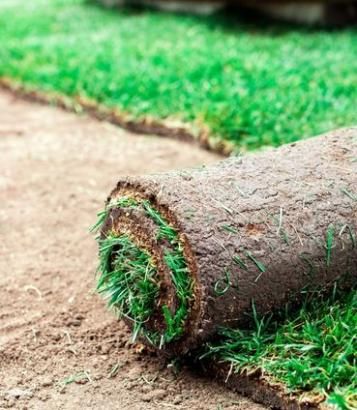
Whether you choose lawn seed or instant turf rolls, some soil preparation is essential for success.
- Lawn seed is the most budget-friendly option, but it takes time. Seeded lawns need extra care during establishment and can take months before they’re ready for regular use.
- Instant turf gives you fast results. Turf rolls are quick to lay and can usually be walked on within a week, but the upfront cost can be higher — especially over large areas.
Top tip
- For heavy clay soils, add gypsum and washed river sand to improve drainage and help roots penetrate more easily.
Getting the foundations right makes all the difference — and sets your new lawn up for long-term success.
Choosing the right grass type
Picking the right grass from the start makes lawn care much easier down the track. While it’s a good idea to do a bit of research, make sure the advice you’re reading actually applies to your location and climate zone.
Here are a few key things to think about when choosing a lawn variety:
- Tap into local knowledge. What grows well in your area is one of the best indicators of what will work for you. Check out nearby lawns and have a chat with your local turf supplier, garden centre or horticulturist.
- Think about wear and tear. Some grasses spread and ‘self-repair’ better than others. This is especially important if your lawn will get plenty of use from kids, pets or backyard sport.
- Be realistic about maintenance. Different grasses need different levels of care. For example, Kikuyu is tough, fast-growing and affordable — but it will need regular mowing in summer to keep it under control.
Choosing a grass that suits your space, lifestyle and level of effort will help you enjoy your lawn, not work against it.
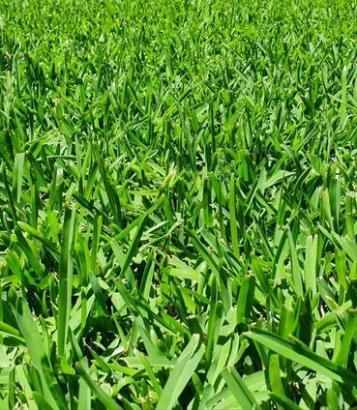
1.
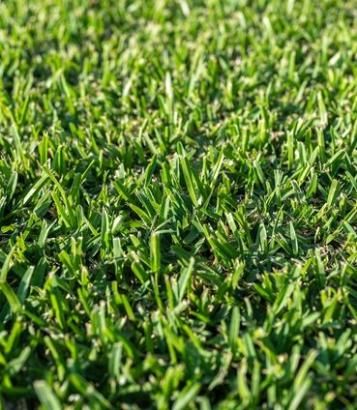
Buffalo Grass
One of the most popular lawn types in Australia — and for good reason.
- Excellent at self-repairing
- Ideal for family backyards with kids and pets
- Good drought tolerance once established
- Most varieties hold their colour well through winter
Popular varieties include Sir Walter and Palmetto. Sapphire offers excellent cold tolerance (down to –10°C), while Velvet is considered one of the toughest, best-wearing buffalo varieties available.
2.
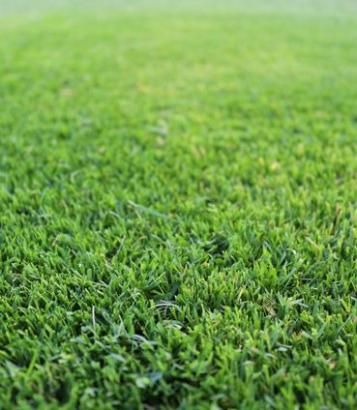
Kikuyu grass
A budget-friendly option that grows fast and repairs itself quickly.
- Great choice for large lawn areas
- Good drought tolerance
- Low shade tolerance
- High maintenance — requires frequent mowing in warmer months
- Can become invasive if edges aren’t well managed
For best results, look for modern, sterile varieties such as Village Green and Kenda.
3.
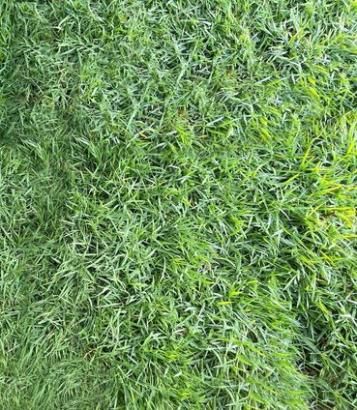
Couch grass
A classic lawn choice with fine blades that give a neat, formal look.
- Generally hard-wearing, but not shade tolerant
- Maintenance levels vary depending on the variety
- Most types benefit from annual top-dressing
- Santa Ana is prized for its appearance, but can spread into garden beds if not contained
4.
Queensland Blue Couch
Often mistaken for couch grass, but it’s actually a different species.
- Performs well in warm, humid and coastal conditions
- Handles both dry and wet conditions
- Easier to mow and maintain than true couch
- Not suited to shady areas

5.
Zoysia grass
Less well known, but an excellent low-maintenance option.
- Thrives in heat, humidity and coastal conditions
- Very low water and maintenance needs once established
- Fine appearance — slightly coarser than couch, finer than buffalo
- Excellent salt and drought tolerance
Nara is a native zoysia variety and a great option for warm to hot climates.
TIPS & TRICKS
Choosing and establishing a new lawn
Think about irrigation early.
Installing sub-surface drip irrigation with a timer and moisture sensor before laying a new lawn can save water and take the guesswork out of watering.
Not every space suits lawn.
Very shady, waterlogged, extremely dry or high-traffic areas may be better suited to garden beds, paths or other landscaping solutions.
Time it right.
The best time to prepare and establish a new lawn is when temperatures are mild. In most climates, spring to early summer and late summer to early autumn are ideal.
Choosing a lawn that suits your space, climate and lifestyle makes lawn care simpler — and far more rewarding.
Discover more on Scotts YouTube channel
Looking for more lawn care tips to keep your lawn healthy throughout the year? Visit our YouTube channel for all your essential lawn tips and tricks.