How to Grow Camellias
Camellias are classic evergreen shrubs grown for their glossy foliage and beautiful flowers through the cooler months. They can be used as feature plants, hedges, screens, espaliered plants or long-lived container plants. With the right soil, moisture and position, they are reliable garden favourites across many Australian climates.
The two most common types are sasanqua camellias and japonica camellias. Sasanquas tend to flower earlier, grow faster and tolerate more sun, making them useful for hedges. Japonicas usually have larger flowers and prefer more shade or protection from hot afternoon sun.
Top 5 steps to growing camellias
-
Choose the right type for your position, with sasanquas for sunnier spots and japonicas for dappled shade.
-
Plant into well-drained, slightly acidic soil.
-
Keep moisture consistent, especially in pots and during hot, dry, windy weather.
-
Feed with a fertiliser suited to acid-loving plants.
-
Prune after flowering to shape, hedge or rejuvenate plants if needed.
Essential shopping list
-
Camellia plant Scotts Osmocote® Compost Premium Soil Improver
-
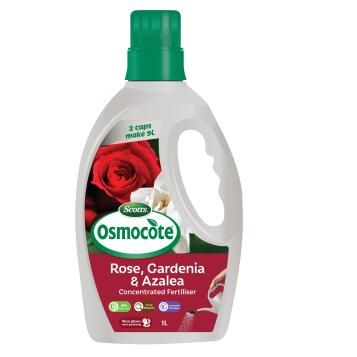
Scotts Osmocote® Controlled Release Fertiliser: Roses, Gardenias, Azaleas & Camellias
-
Organic mulch
-
Secateurs or hedging shears
-
Soil pH test kit
Preparation
Camellias prefer well-drained, slightly acidic soil. Camellias prefer well-drained acidic soil, somewhere in a pH range between 5 and 6.5 is optimal.
Choose the position based on the camellia type. Sasanquas can handle more sun and are often used for hedges, while japonicas prefer dappled shade or protection from hot afternoon sun. Avoid planting where soil stays wet, as good drainage is important for long-term health.
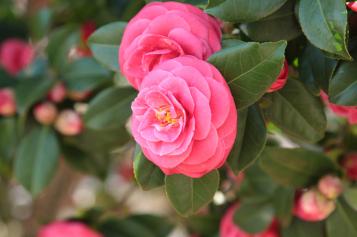
Planting camellias in the garden
Plant camellias during mild conditions, giving them time to settle before very hot or very cold weather. Dig a hole twice as wide as the root ball and the same depth. Place the plant so the top of the root ball sits level with the surrounding soil, then backfill, water well and mulch around the root zone.
Keep mulch away from the trunk and avoid burying the stem. Camellias are long-lived plants, so give them enough space to reach their mature size unless you plan to prune them regularly as a hedge or screen.
Growing camellias in pots
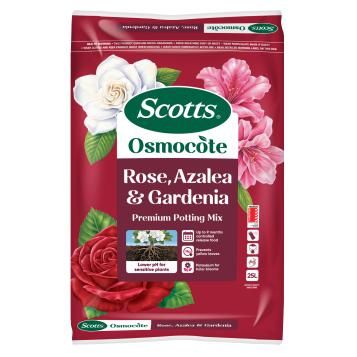
Camellias grow well in large pots if they have the right mix, consistent moisture and good drainage. Use a pot with drainage holes and a specialty mix suited to acid-loving plants, such as Scotts Osmocote® Rose, Gardenia, Azalea & Camellia Mix.
Avoid placing a small camellia into an oversized pot, as too much wet potting mix around a small root ball can increase the risk of root rot. Step up gradually as the plant grows. Position pots in morning sun, dappled light or part shade depending on the variety.
☀️ HOW TO GROW CAMELLIAS IN WESTERN AUSTRALIA CONDITIONS
Camellias can be grown in WA gardens, but success depends on soil improvement, moisture and protection from heat. In sandy soils, work through organic matter before planting and mulch well to help keep the root zone cool and moist.
Choose sasanqua types for sunnier or hedging positions, and japonicas for dappled shade or protected garden spaces. Where soils are alkaline, test pH and grow in pots with an acid-loving potting mix if garden soil is unsuitable.
Watering and feeding
Keep camellias evenly moist, especially while young, in pots, or during hot, dry and windy weather. Camellias in the ground do not need excessive watering, but they do need special care on hot, dry, windy days. Potted camellias need more regular checking.
Feed with an acid-loving plant fertiliser. Scotts Osmocote® Controlled Release Fertiliser: Roses, Gardenias, Azaleas & Camellias is formulated for plants preferring acid soil or potting mix and feeds for up to six months. It also contains boosted iron to help keep leaves greener for longer.
Pruning and maintenance
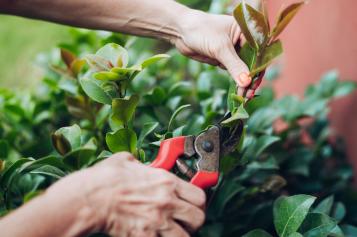
Camellias can be lightly pruned after flowering to shape the plant, tidy hedges or encourage bushier growth. Sasanquas are particularly useful for hedging and can tolerate regular pruning.
Older, straggly camellias can respond well to harder pruning. Old camellias can be rejuvenated with bold pruning, including cutting back to strong main branches to encourage fresh growth and bring flowers back to eye level.
Remove dead wood, thin crowded growth and improve light around plants if flowering has declined. If leaves are yellowing, check soil pH, watering and feeding before assuming the plant is failing.
Flowering and growth
Camellias flower through the cooler months, with exact timing depending on type and variety. Sasanquas generally flower in autumn or early winter, while japonicas often flower in winter or early spring. Some modern hybrids can flower over a longer period.
They are evergreen, so they bring year-round structure even when not in flower. Their glossy foliage makes them useful in formal gardens, shaded borders, screens and large pots.
Climate and positioning tips
Camellias can be grown across cool to subtropical climates in Australia, with protected positions in colder regions. They tolerate a wide range of climates, but flowers may be damaged by prolonged winter weather or harsh conditions.
In hot areas, protect plants from harsh afternoon sun and drying winds. In cooler areas, avoid frost pockets if flowers are easily damaged. Morning sun with afternoon protection is often a good compromise for many home gardens.
How to propagate camellias
Camellias can be propagated from cuttings, and seed can also be grown where seed heads form. However, seedlings may not come true to the parent plant and can take several years to flower. For a plant identical to the original, cuttings are preferred.
Most home gardeners will get the best result by buying a named variety from a nursery. Choose a variety based on flower type, mature size, sun tolerance and whether it will be used as a feature, hedge, espalier or potted plant.
Pests & diseases
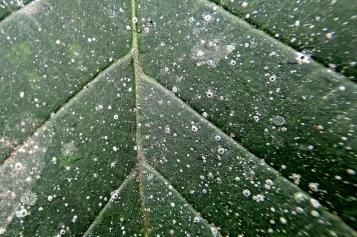
Camellias can be affected by scale, mites, sooty mould, petal blight, root rot and leaf yellowing linked to pH or nutrient issues. Yellowing leaves may indicate pH problems, particularly if soil is too alkaline and iron becomes less available.
Good airflow, correct watering and suitable soil pH will prevent many issues. Avoid constantly wet soil, especially in pots, and use a pot size suited to the root ball to reduce root rot risk.