The Ultimate Guide to Growing Magnolias in Pots or in the Garden
Magnolia's magnificent blooms arrive at the end of winter, announcing that spring isn’t far away. On deciduous magnolias their white, pink, purple, dark pink or soft yellow flowers appear before the leaves - so the blooms take pride of place. Evergreen magnolias, however, keep their dark green, glossy foliage year round and bear white or off-white flowers throughout spring and summer.
Many of the new cultivars of magnolia have fragrant flowers in big cupped, bowl or goblet shapes. Magnolias prefer a temperate climate in full sun to part shade position with protection from hot afternoon sun and strong winds. Magnolias come in a range of sizes from the small and compact dwarf cultivars to large majestic feature trees - so choose one to suit your garden.
5 top tips for growing magnolias
- Choose a full sun protected from the hot afternoon sun, strong winds and harsh frosts. Some species and cultivars of magnolia are more tolerant of part shade.
- Magnolias need a rich, moist, free draining and slightly acidic soil to thrive
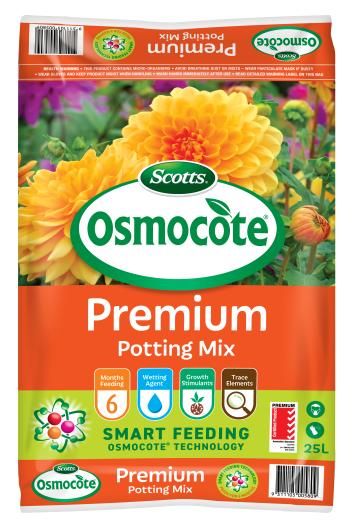
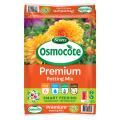
- Smaller magnolias will happily grow in pots, just use a suitable potting mix like Scotts Osmocote® Premium Potting Mix and choose a pot with good drainage
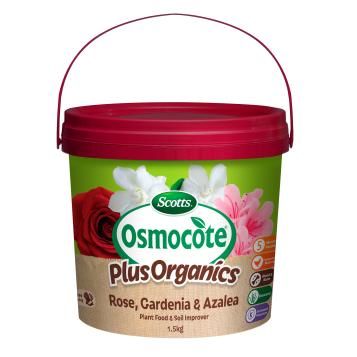
- Fertilise magnolias 2-3 times a year with Scotts Osmocote® Plus Organics Roses, Gardenias & Azaleas Plant Food & Soil Improver
- During dry weather keep magnolias well watered
Essential shopping list for growing magnolias
- Magnolia plant
- Scotts Osmocote® Plus Organics Roses, Gardenias & Azaleas Plant Food & Soil Improver
- Scotts Osmocote® Compost Premium Soil Improver
- Garden Shovel
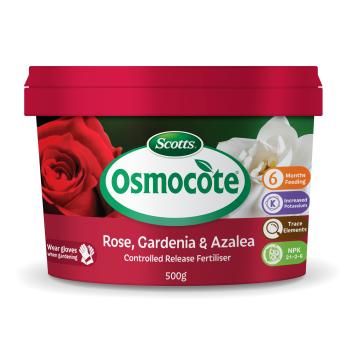
- If growing in pots, you’ll need Scotts Osmocote® Premium Potting Mix + Scotts Osmocote® Controlled Release Fertiliser: Roses, Gardenias, Azaleas & Camellias and a suitable pot or container
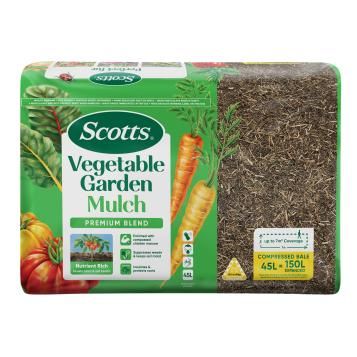
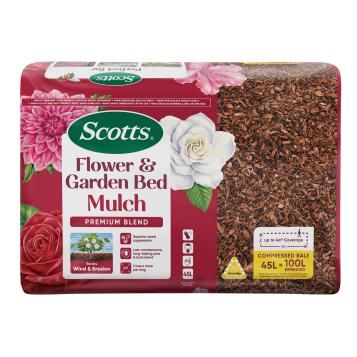
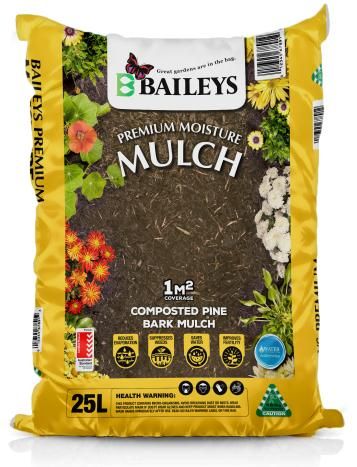
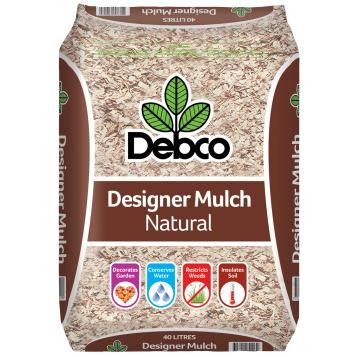
- Mulch
- Defender™ Pyrethrum Insect Spray
About magnolia flowers
Magnolia flowers are one of the standout features of the plant, known for their large, showy blooms, often fragrant. Depending on the variety, flowers can be cup-shaped, star-like, or tulip-shaped, and range in colour from pure white and creamy yellow through to deep pink and purple tones.
When do magnolias bloom?
Flowering timing varies widely between deciduous and evergreen types. Deciduous magnolias (such as M. soulangeana and M. stellata) typically flower from late winter to early spring, before their leaves emerge, creating a dramatic display on bare branches. Evergreen types (such as Magnolia grandiflora cultivars 'Little Gem' and 'Teddy Bear') flower later, from late spring through summer, often with repeat flushes into autumn.
How do you encourage flowering?
Flowering success is influenced by climate, plant maturity, and growing conditions. Magnolias generally take a few years to establish before flowering reliably. To encourage better blooms, plant in a sheltered position, ensure consistent moisture during dry periods, and avoid heavy pruning, which can reduce flowering in the following season.
Pollination is carried out by beetles and other insects attracted to the large, open flowers. Healthy, well-established plants in suitable conditions will naturally produce more abundant blooms over time.
Popular magnolia varieties
Magnolia ‘Inspiration’
Magnolia ‘Inspiration’ is an evergreen hybrid (Magnolia doltsopa × M. laevifolia), not a Magnolia grandiflora cultivar. It’s a vigorous grower, reaching around 6–8m if left unclipped, with glossy, dark green foliage. It produces large, fragrant creamy-white flowers with a soft blush of pink from late winter into spring. It suits hedging and screening well if trimmed, though it needs more room than compact grandiflora types like ‘Little Gem’.
Magnolia grandiflora ‘Little Gem’
‘Little Gem’ is a popular compact form of southern magnolia. It features deep green leaves with a rusty-brown underside and produces large, highly fragrant white flowers over an extended period. It is commonly used for formal hedging and screening in residential gardens.
Magnolia grandiflora ‘Teddy Bear’
‘Teddy Bear’ is a smaller-growing evergreen magnolia with a dense, upright habit. Its foliage is thick and glossy, with large white flowers that contrast strongly against the leaves. It is ideal for smaller hedges and courtyard gardens where space is limited.
Magnolia soulangeana
Also known as saucer magnolia, this deciduous variety produces large, tulip-shaped flowers in shades of pink, purple, and white in early spring. It is often used as a feature tree rather than for hedging, due to its open growth habit and seasonal leaf drop.
Magnolia stellata
Star magnolia is a compact deciduous variety known for its star-shaped white flowers that appear in early spring. It is well suited to small gardens and feature planting, offering early seasonal interest before foliage emerges.
Preparation
Magnolias need full sun to part shade position, sheltered from hot afternoon sun and strong winds. Magnolias prefer a moist, but free-draining soil that’s slightly acidic.
Prepare the soil for planting magnolias by mixing Scotts Osmocote® Compost Premium Soil Improver and Scotts Osmocote® Plus Organics Roses, Gardenias & Azaleas Plant Food & Soil Improver through the soil in your chosen area.
Growing magnolias in the garden
Plant your magnolia into prepared soil - dig the hole twice as wide as the original pot and at the same depth. Gently remove the magnolia from the nursery pot and tease the roots lightly if they are compact.
Plant into the hole and backfill around the plant. Water in well and keep the soil moist for the first few weeks after planting to help establish new roots.
Mulch around the drip zone of magnolias to retain moisture and suppress weeds, but keep the mulch away from the main stem.
Growing magnolias in pots
Magnolias can be grown in large pots or planters with good drainage - choose a pot that’s at least 2 to 3 times bigger than the original nursery pot. Select a dwarf-growing magnolia tree, suitable for growing in pots.
Fill your pot or planter with Scotts Osmocote® Premium Potting Mix. Gently remove the magnolia from the nursery pot and tease the roots lightly if they are compact. Plant the magnolia into the potting mix and backfill around the plant. Water in well and mulch over the surface of the potting mix to help retain moisture, but keep the mulch back from the plants main stems.
Keep the potting mix moist, but not soggy and make sure your new magnolia receives plenty of water during hot and dry summers.
Growing magnolia hedges
Magnolias can make excellent hedges and screening plants, especially evergreen varieties that provide dense foliage year-round. With the right variety and spacing, they can form a lush, structured screen that also produces large, fragrant flowers.
What is the best magnolia for hedging?
Evergreen magnolias such as Magnolia grandiflora cultivars are best for hedging. Varieties like ‘Little Gem’ and ‘Teddy Bear’, and hybrids such as Magnolia ‘Inspiration’, are popular because they grow densely, respond well to pruning, and maintain foliage throughout the year.
How far apart should you plant magnolia for a hedge?
‘Little Gem’ is usually planted about 0.8–1m apart for a formal hedge, or 1–1.5m apart for a more informal screen. Larger varieties may need wider spacing.
How do you maintain a magnolia hedge?
Once established, magnolia hedges require minimal maintenance. Light pruning can help maintain shape and encourage density, but heavy cutting should be avoided as magnolias do not respond well to hard pruning.
Magnolia fertiliser & care
Magnolias will benefit from fertilising 2-3 times per year in spring, summer and autumn with Scotts Osmocote® Plus Organics Roses, Gardenias & Azaleas Plant Food & Soil Improver or if you’re growing in pots use Scotts Osmocote® Controlled Release Fertiliser: Roses, Gardenias, Azaleas & Camellias.
Magnolias don’t need any special pruning or regular maintenance. Evergreen magnolias can be clipped to shape their growth as needed or desired. Deciduous magnolias only need to have any dead, damaged or crossing branches removed as needed.
Common magnolia pests & diseases
Both evergreen and deciduous magnolias are pretty pest and disease-resistant. They are shallow rooted though, so avoid planting directly beneath them and make sure the whole drip zone of the plant is mulched well to keep the roots cool and moist at all times.
Regular watering during the hot and dry summer months will keep your magnolia thriving.
Growing Magnolia's FAQs
When do magnolia flowers bloom?
Deciduous magnolias usually flower from late winter to early spring, before their leaves appear. Evergreen types flower later, from late spring through summer, often with repeat flushes into autumn.
Why is my magnolia not flowering?
A magnolia may not flower if it is still young, recently transplanted, or not getting enough sun. Over-pruning or late frosts can also reduce flowering in a given season.
Does magnolia make a good hedge?
Yes, magnolias can form excellent hedges when evergreen varieties are used. They provide structure, privacy, and seasonal flowers, although they grow more slowly than traditional hedge plants.
What’s the best magnolia for screening?
Evergreen varieties such as Magnolia grandiflora ‘Little Gem’ and ‘Teddy Bear’, and hybrids such as Magnolia ‘Inspiration’, are best for screening due to their dense, year-round foliage.
What is Magnolia ‘Inspiration’?
Magnolia ‘Inspiration’ is a vigorous evergreen hybrid (not a Magnolia grandiflora cultivar) with glossy foliage and large, fragrant creamy-white flowers that appear from late winter into spring. It’s commonly used for hedging and screening, though it needs more space than compact types like ‘Little Gem’.