
Controlling Pests in the Garden
A few insects are part of every healthy garden, but some can quickly damage leaves, stems, roots and new growth. The key is to check your plants regularly, identify the culprit and choose the most suitable control for the problem.
Start with simple prevention and non-chemical controls where practical. If you need to use a garden pest-control product, always make sure it is suitable for the pest, plant and situation before applying it.
How to Help Prevent Garden Pests
1. Keep Plants Healthy
Healthy plants are generally better placed to cope with occasional pest damage than plants that are already weak or stressed.
-
Feed plants with a fertiliser suited to their needs.
-
Water appropriately without leaving the soil constantly waterlogged.
-
Remove damaged or heavily infested plant material.
-
Maintain healthy soil and suitable growing conditions.
2. Keep Weeds Under Control
Weeds compete with garden plants for moisture, nutrients, light and space. Some can also provide shelter or act as host plants for garden pests.
Apply mulch to help suppress new weeds, keeping it clear of plant stems. Remove weeds by hand while they are small, taking care to remove the roots where possible.
If using a herbicide, check that it is suitable for the weed and location. Avoid spraying desirable plants and always follow the complete label directions.
3. Welcome Beneficial Insects and Birds
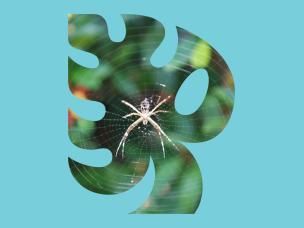
Not every insect in the garden is a pest. Bees and other pollinators support flowering and fruiting, while some beneficial insects help manage pest populations.
-
Grow a mix of flowering plants, including suitable Australian natives, to provide food and shelter.
-
Provide a shallow source of clean water with stones or other safe landing points.
-
Create shelter with dense plants, logs, twigs or a purpose-built insect hotel.
-
Avoid unnecessary spraying, particularly while bees and other pollinators are active.
Common Garden Pests and How to Control Them
Aphids, Thrips, Mites and Scale
These small pests are often found on fresh shoots, flower buds or the undersides of leaves. Check plants regularly for clusters of insects, distorted new growth, discolouration or sticky residue.
For light infestations, remove badly affected growth or dislodge pests with a firm spray of water. Repeat your checks over the following days to see whether they return.
If further treatment is needed, select a registered garden insecticide that lists the pest and plant on its label. This is especially important when treating vegetables, herbs or fruit trees. Follow all application, withholding-period and safety directions on the pack.
Snails and Slugs
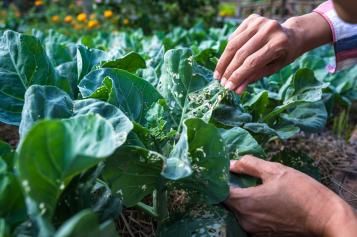
Snails and slugs commonly feed at night, leaving irregular holes in leaves and silvery trails around affected plants. Young seedlings and plants with soft new growth can be particularly vulnerable.
Check the garden after dark with a torch and remove any snails or slugs you find. You can also reduce hiding places by clearing loose debris, unused pots and dense weeds from around vulnerable plants.
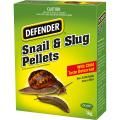
Where suitable, apply Defender™ Snail & Slug Pellets according to the label directions. Scatter pellets lightly rather than placing them in heaps. Do not leave pellets exposed where domestic pets are present, and do not apply them near stormwater drains, streams or watercourses.
Lawn Pests
Brown patches, thinning grass or turf that lifts easily may indicate a lawn pest, but similar symptoms can also be caused by watering problems, disease or other lawn stresses. Inspect the affected area and identify the problem before treating it.
If the pest is covered by the product label, apply Scotts Lawn Builder™ Lawn Grub + Insect Slow Release Fertiliser according to the directions. This product is designed for lawns and lawn substitutes and should not be applied to garden plants.
Protect the Good Guys
Before reaching for a spray, take a closer look at what is living on your plants. Some insects are harmless, while others pollinate flowers or help keep pest populations under control.
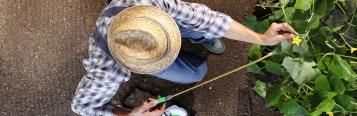
Use pest-control products only where they are needed. Avoid spraying when bees are actively foraging, prevent spray drift and never apply a product to edible plants unless the label specifically allows it.
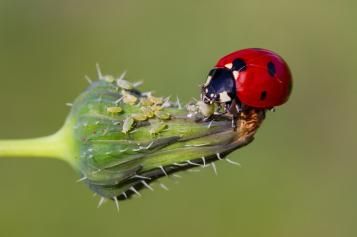
Identify the Pest Before You Treat
Successful pest control starts with knowing what is causing the damage. Check both sides of the leaves, inspect stems and look around the soil surface for insects, eggs, droppings, webbing or slime trails.
Once you have identified the pest, start with the simplest suitable control and monitor the plant. If using a garden pesticide, always read and follow the full label before use.