
Our top 10 garden design ideas
A well-designed garden should look good, suit your home and make outdoor living more enjoyable. Whether you are starting from scratch or refreshing an existing space, a little planning can help you create a garden that works for your lifestyle and local growing conditions.
#1. Choose a garden style
Think about how you want your garden to look and feel. You might prefer a relaxed native garden, a tropical retreat, a productive edible garden or something more formal.
Visit open gardens, local parks and nearby neighbourhoods for inspiration. Look for ideas that complement your home and can be adapted to your climate, space and available sunlight.
#2. Put function first
Your garden should work for the people who use it. Make a list of the features that matter most, such as outdoor seating, room for children or pets, a lawn, clothesline, veggie patch, storage or extra privacy.
Be realistic about how much time you want to spend watering, mowing, pruning and weeding. A simpler layout and plants suited to your conditions can make ongoing care easier.
#3. Draw a simple garden plan
You do not need to be a landscape designer to sketch out your ideas. Draw the shape of your garden, then add existing features and the elements you want to include.
Position practical features first, then connect them with paths, lawns and garden beds. Mark north on the plan and note sunny, shaded, wet or exposed areas to help you choose the right plants later.
#4. Collect visual inspiration
Save photos of gardens, plants, colours and materials you like. Bring these references and your garden plan to a local nursery or garden centre when choosing plants.
Nursery staff can help you find plants suited to your local climate, soil, available space and sunlight. If your first choice is unsuitable, they may be able to recommend a similar option that will perform better.
#5. Try mass planting
Repeating the same plant across a garden bed can create a stronger, more coordinated look than using many individual varieties. Groups of three or five can work well in smaller beds, but the right number will depend on the plant, available space and effect you want to create.
Check each plant’s mature height and width before planting so the group has enough room to grow without becoming overcrowded.
#6. Make the most of foliage
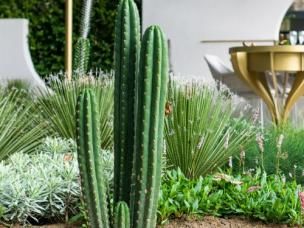
Flowers may come and go, but foliage can provide colour, shape and texture throughout the year. Combine different leaf sizes, forms and shades to keep garden beds interesting between flowering periods.
Repeat a few key foliage colours or textures through the garden to help separate areas feel connected.
#7. Plan for seasonal interest
Choose a mix of plants that offer interest at different times of the year. Depending on your climate, this might include seasonal flowers, colourful foliage, decorative bark, fruit, berries or interesting stems.
Before buying, check when each plant is likely to flower or look its best in your region. This will help you avoid having all the garden’s colour appear at once.
#8. Add personality with garden features
Sculptures, pots, screens and repurposed pieces can bring personality to your garden. Use one or two as focal points, or place them where they can add interest to a blank wall, fence or quiet corner.
Choose outdoor materials that suit your garden style and can handle the weather conditions in their intended position.
#9. Consider a water feature
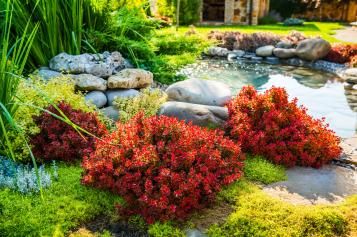
A pond, fountain or simple water bowl can add movement, sound and interest to an outdoor space. Choose a feature that suits the scale of your garden and place it where it can be easily seen and maintained.
Consider water use, cleaning, electrical requirements and safety before installation. Ponds and open water features should be designed with children, pets and local regulations in mind.
#10. Complete a pre-planting check
Before planting, use your plan to mark out garden beds, paths and key features. Check that there is enough room for people to move through the space and for plants to reach their mature size.
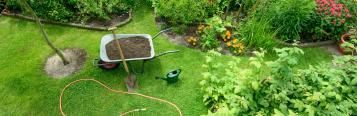
Watch how sunlight moves across the garden and note where water drains or collects. Complete paths, edging, paving and other hard landscaping first, then prepare and improve the soil before planting.