Top 5 Garden Trends for 2026
Each year, the Melbourne International Flower & Garden Show gives us a front‑row seat to what’s shaping the future of our gardens. In 2026, the standout themes were clear, gardens are becoming softer, more expressive and more thoughtful about how we connect with nature.
Walking through the show gardens this year, I noticed a shift away from highly controlled, picture‑perfect spaces and towards gardens that feel more natural, relaxed and deeply personal. Texture was favoured over perfection, mood over formality and intention over excess. Lawns were allowed to grow a little longer, planting palettes explored both darker drama and calming restraint, and sustainability was woven into design decisions rather than treated as an afterthought.
These trends reflect what many of us are craving at home: outdoor spaces that support wellbeing, invite us to slow down and feel genuinely good to be in. Here are the top five garden trends for 2026, inspired by what stood out most at this year’s Melbourne International Flower & Garden Show, and how you can bring them into your own space.
1. Textural Lawns Take Centre Stage
Lawns stepped into the spotlight at the show, becoming a key design element rather than just a background feature.
- Grange Zoysia grass featured heavily across show gardens, chosen for its soft, textural blades and relaxed growth habit
- Longer lawns added movement, catching the light and responding beautifully to breeze and foot traffic
- Designers embraced imperfection, moving away from tightly clipped, uniform turf
- Lawns were integrated into planting schemes, blurring the line between hardscape and garden beds
- A more relaxed mowing approach reflected a desire for lower stress, more sustainable garden care
Melissa’s tip: A lawn can be soft, expressive and full of character, not just neat and green. So why not embrace the wild, naturalist lawn look with long, unmown zoysia grass. The fine blades move in different directions creating a lush textured surface that you want to lounge around on.
2. Berry and Burgundy Bring Depth and Drama
Rich, moody colours were everywhere, and they made a powerful statement.
- Deep berry, burgundy and wine tones appeared in both flowers and foliage
- Dark colours were layered confidently, not just used as small accents
- These tones added depth and sophistication, particularly in modern garden designs
- Burgundy foliage anchored lighter planting, helping colour schemes feel intentional and balanced
- The overall mood felt dramatic yet elegant, rather than heavy or overwhelming
Melissa’s tip: Introduce darker burgundy and ruby tones through foliage and flowers. Pair them with softer greens or pale blooms to make the colours pop and create a dramatic, sophisticated look.
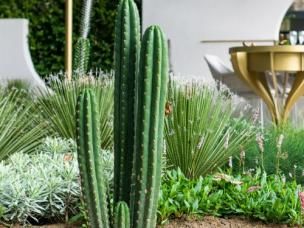
3. Calm Gardens in Grey and Green
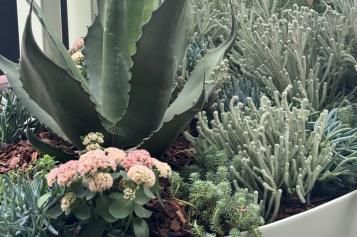
For those seeking tranquillity, grey and green palettes delivered beautifully understated calm.
- Silver and grey green foliage dominated, creating a soothing visual rhythm
- Colour was restrained, allowing form and texture to shine
- Subtle tonal shifts replaced bold contrasts, for a calmer, more reflective feel
- Leaf shape and layering became key design tools, adding interest without visual noise
- These gardens felt timeless and restorative, ideal for busy lifestyles
Melissa’s tip: Choose a limited colour palette of grey and green shades and focus on foliage texture and form. Mixing shapes and textures can create depth and interest, without relying on flowers.
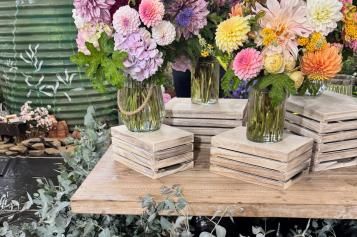
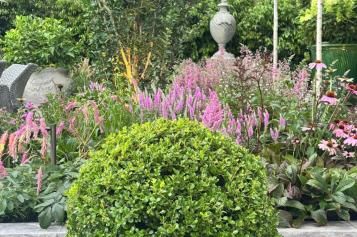
4. Soft, Romantic Gardens Make a Return
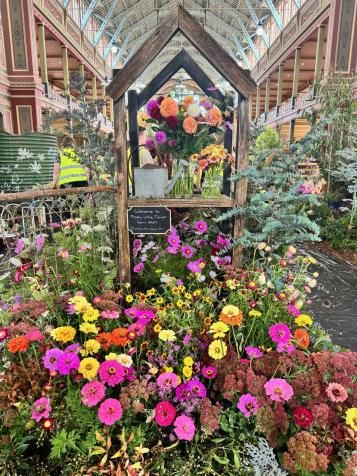
Romance returned to the garden, but in a relaxed, contemporary way.
- Layered planting created softness and flow, with plants gently overlapping
- Big, blousy flowers took centre stage, adding abundance and charm
- Soft colour palettes lent gardens a sense of quiet elegance
- Gardens felt lived in and welcoming, rather than formal or rigid
- Imperfection was embraced, reinforcing the idea that gardens evolve over time
Melissa’s tip: Romantic gardens feel natural and a little untamed, so let plants ramble and layer your plantings generously. Create a sense of romance with old‑fashioned beauties like roses, hydrangeas and lavender, pastel perennials, and fragrant herbs and flowers.
5. Local, Not Flown: A Mindful Flower Movement
Sustainability wasn’t just discussed, it was clearly visible.
- Locally grown cut flowers were prioritised across floral displays
- Reduced transport meant a smaller environmental footprint
- Fresh, seasonal blooms lasted longer indoors
- Local growers were celebrated and supported
- Seasonality became a feature, not a limitation
Melissa’s tip: Next time you’re buying a bunch of cut flowers, ask where they were grown and try to pick local. Choosing local supports growers, reduces environmental impact and often delivers fresher, longer lasting blooms.
Looking Ahead
The garden trends remind us that the most successful gardens aren’t just beautiful, they’re thoughtful, expressive and deeply human. Whether you lean into texture, colour, calm or sustainability, the future of gardening is about creating spaces that truly support the way we live.