How to Grow Cabbage
Cabbages are an easy and versatile vegetable for you to grow and enjoy at home!
It can be eaten raw, cooked into dumplings, casseroles, stews and stir-fries, and even pickled or fermented into sauerkraut or kimchi.
Cabbage love growing in cooler conditions, so plant in the cooler months of autumn, winter and spring. Cabbage seedlings can be frost damaged in winter, so if you’re growing in a heavy frost zone, plant cabbages in late summer so they’ve matured enough to be frost tolerant come the height of winter.
If you’re growing cabbage in the tropics and sub-tropic regions of Australia you’ll need to look for more heat-tolerant varieties of cabbage including ‘Sugarloaf’, ‘Red Drumhead’ and Chinese Cabbage.
Top 5 Tips for Growing Cabbage
- Sow cabbage seeds or cabbage seedlings in early autumn for a winter and spring harvest.
- Choose a full sun spot, with a rich and free draining soil.
- If you live in the tropics or subtropics look for one of the more heat tolerant varieties of cabbage.
- Short on space? Look for miniature varieties of cabbage - they are perfect for pots!
- Keep Cabbages well-watered, fed and protected as they grow
Prepare
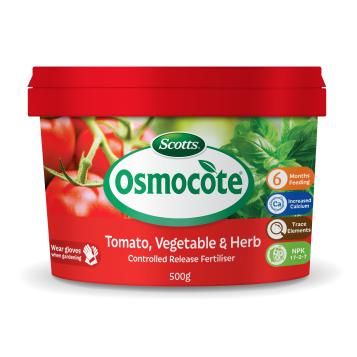
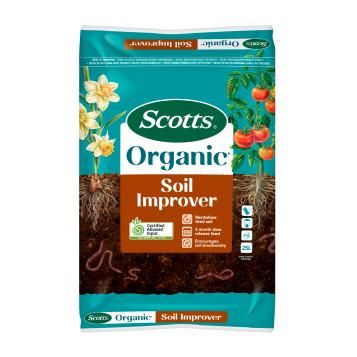
Cabbages prefer a full sun spot in a well-drained, organic matter rich soil. Before planting, mix Scotts Organic Soil Improver and Scotts Osmocote® Controlled Release Fertiliser: Tomato, Vegetable & Herb through the top 10-20cm of soil.
Growing cabbage from seed
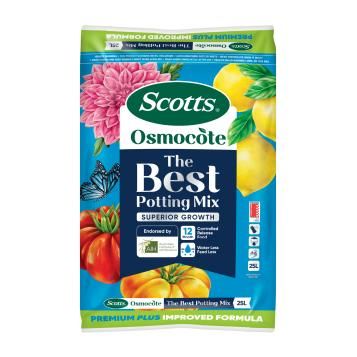
Sow cabbage seeds 10mm deep into punnets filled with Scotts Osmocote The Best Potting Mix - plant 6-8 seeds per punnet. Once the seedlings are 10-15cm tall, transplant them into your garden or pot allowing 40-70cm between seedlings depending on the variety.
Growing cabbage from seedlings
Plant cabbage seedlings in a full sun spot, into soil that’s been enriched with Scotts Organic Soil Improver mixed through the top 10-20cm of the soil before planting.
Plant
Growing cabbage in the garden
- Plant cabbage seedlings into prepared soil, on average, allow 40-70cm between seedlings - depending on the variety.
- Protect young seedlings from slugs and snails by sprinkling around Defender Snail & Slug Pellets.
- To protect young seedlings from the caterpillar of the cabbage moth (Plutella xylostella) and small cabbage white butterfly (Pieris rapae) use wildlife safe insect exclusion netting.
- Lightly mulch the soil around plants after planting with an open mulch to retain moisture and suppress weeds.
Growing cabbage in containers
- Cabbages can be grown in pots or planters with good drainage - choose something that is at least 50cm wide and the same deep.
- If you’re limited with space look for some of the more compact growing varieties of cabbages that can be planted closer together.
- Fill your pot or planter with Scotts Osmocote The Best Potting Mix ready for planting and add Scotts Osmocote® Controlled Release Fertiliser: Tomato, Vegetable & Herb.
- Plant cabbage seedlings directly into these prepared pots, allowing 50-70cm between each seedling.
- Lightly mulch the soil around plants after planting with an open mulch to retain moisture.
Harvest
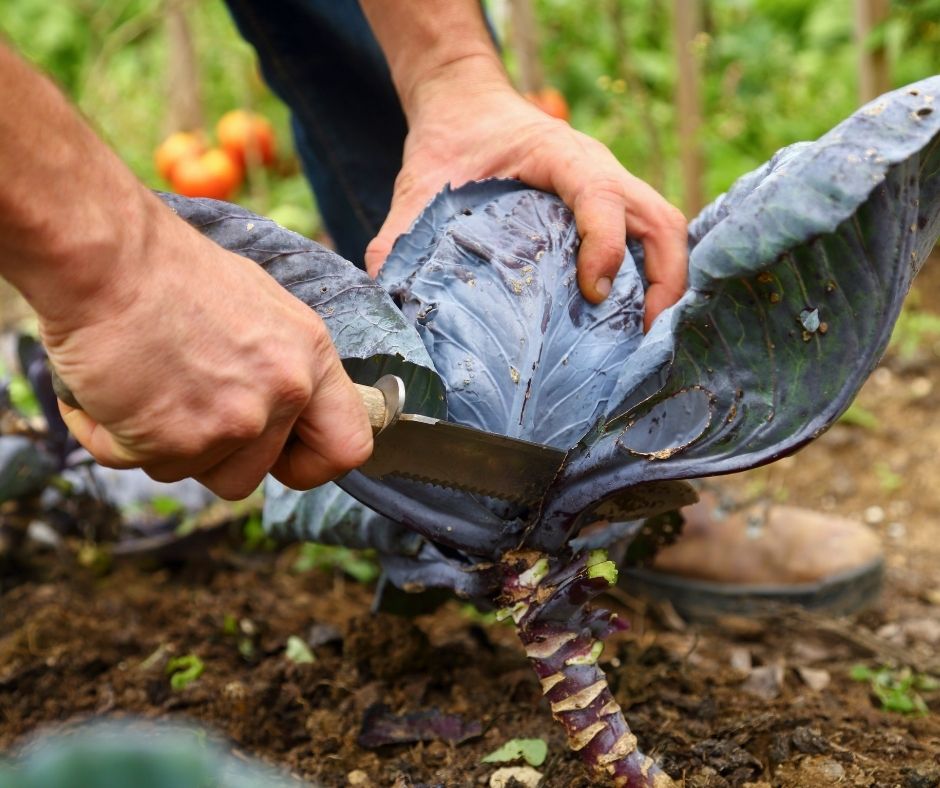
Cabbages will be ready to harvest 12-20 weeks from planting, depending on the variety. The head should be firm and the leaves tightly held together at harvest time.
Heading cabbages should be removed from the plant whole - use a sharp knife to cut below the head. If you have enough growing season left at this first harvest, secondary smaller heads of cabbage may form on the main plant.
Pests & Diseases
Look out for the following pests and diseases attacking cabbage plants:
- Slugs and Snails - most likely to cause significant damage to young cabbage seedlings. Protect young plants by setting beer traps (saucers filled with beer) amongst seedlings or use Defender Snail & Slug Pellets.
- Caterpillars - the white flying adult cabbage moth (Plutella xylostella) and small cabbage white butterfly (Pieris rapae) they lay their eggs onto cabbages (and other brassica crops) and the small green caterpillars feed on the leaves. To control these pests; remove the caterpillars by hand regularly, use insect exclusion netting over your crops to keep the flying moths/butterflies out or spray infested plants with Defender Pyrethrum Insect Spray.
- Aphids - aphids tend can attack the growing shoots of young cabbage plants. Remove some of the lower leaves to improve light and air circulation around the plants. Spray aphid infestations with an insectecide if needed.
☀️ HOW TO GROW BRASSICAS (CABBAGES) IN WESTERN AUSTRALIA CONDITIONS
Cabbage, kale, broccoli, cauliflower, bok choy, turnip and Brussels sprouts are all Brassicas - that is, members of the mustard family Brassicaceae. As cool to mild season crops, all can be planted in Autumn in WA. Find a spot in full sun with at least 6 hours direct sunlight per day. Brassicas are easily damaged, so choose a spot with protection from strong winds.
Brassicas demand a rich, well-drained soil. Dig in plenty of mature compost and manure before planting and incorporate it the top 30cm. Use Baileys Soil Improver Plus or Baileys Clay & Compost for sandy soils. Both incorporate composted organics and chicken manure. Brassicas are heavy feeders so incorporate a handful of organic based fertiliser such as Soil Matters Garden per square metre into your planting soil.