How to Grow Cherry Trees
Cherry trees are beautiful deciduous fruit trees, loved for their spring blossom, summer fruit and seasonal garden character. They can be very rewarding in the right climate, but they are more particular than many backyard fruit trees, so choosing the right variety and position matters from the start.
Cherries need cold winter conditions to help set fruit, full sun for strong cropping, fertile well-drained soil and protection from birds once fruit begins to ripen. They are best suited to cooler regions of Australia, although some varieties and dwarf forms can make them more manageable in home gardens.
Top 5 steps to growing cherry trees
-
Choose a cherry variety suited to your local winter chill conditions.
-
Plant in full sun with protection from strong winds.
-
Prepare deep, fertile, well-drained soil before planting.
-
Plant more than one compatible tree unless your chosen variety is self-fertile.
-
Prune and train trees to improve airflow, sunlight and easy picking.
Essential shopping list
-
Cherry tree, bare-rooted, potted or dwarf form
-
Compatible pollinating variety, if required
-
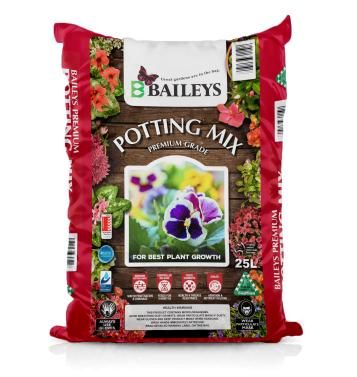
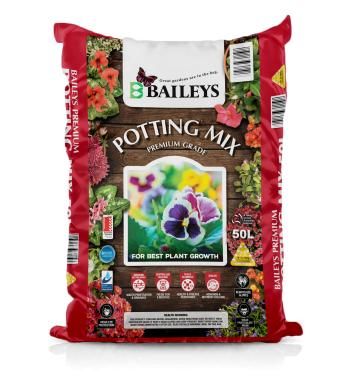
Scotts Osmocote The Best Potting Mix 25L or Scotts Osmocote® Premium Potting Mix for large pots
-
Scotts Osmocote® Controlled Release Fertiliser: Citrus & Fruit
-
Organic mulch
-
Fruit tree netting
-
Stakes, ties and pruning tools
Preparation
Cherry trees need the right climate first. They are suited to areas with cold winters and need winter chill to set fruit properly. Cherries need cold to set fruit, protection from frost that can damage blossoms, at least eight hours of sunlight a day, fertile well-drained soil and protection from birds.
Choose a full sun position with good airflow and shelter from strong wind. Avoid low-lying frost pockets where spring blossom may be damaged, and avoid wet sites because cherries are highly susceptible to root rot. If the soil is heavy or poorly drained, improve drainage before planting or consider raised mounds.
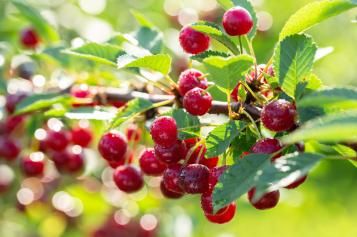
Planting cherry trees in the garden
Bare-rooted cherry trees are best planted in winter while dormant. July is a suitable dormant planting time, we recommend staking bare-rooted trees at winter planting. Potted cherries can be planted at other times, but avoid the height of summer because heat stress can affect establishment.
Dig a hole wider than the root system and improve the backfill with compost or soil improver. Position the tree so it sits at the same level it was previously growing, keeping the graft above soil level. Backfill gently, water in well and mulch across the root zone, keeping mulch clear of the trunk.
Many cherry trees need a compatible pollinator nearby, and even self-fertile types can crop better when another suitable cherry is close. Check the plant label carefully, as pollination requirements vary by variety.
Growing cherry trees in pots
Dwarf and miniature cherry trees can be grown in large pots, making them a good option for smaller gardens, courtyards and patios. Use a wide, deep container with excellent drainage and a quality potting mix such as Scotts Osmocote The Best Potting Mix 25L or Scotts Osmocote® Premium Potting Mix.
Position the pot in full sun, sheltered from strong wind. Potted cherries dry out faster than trees in the ground and need consistent watering during flowering, fruit set and fruit swell. Refresh potting mix as needed and repot when the tree becomes root-bound.
☀️ HOW TO GROW CHERRY TREES IN WESTERN AUSTRALIA CONDITIONS
Cherry trees are not suitable for all parts of Western Australia. They need enough winter chill to crop well, so they are more realistic in cooler southern or elevated areas than in hot coastal or northern regions. In Perth and similar warm areas, cherries can be challenging, and variety choice becomes critical.
If attempting cherries in WA, choose a locally recommended variety, plant in full sun with well-drained soil, protect from strong wind and maintain consistent watering during warm weather. Dwarf forms in large pots may be easier to manage where space, soil or heat exposure is a concern.
Watering and feeding
Water young cherry trees regularly while they establish. Once established, backyard cherry trees still need a good drink during hot, dry periods, especially while fruit is setting and developing. Too much water can encourage leafy growth rather than fruiting, so the goal is steady moisture without waterlogging.
Feed in spring as growth begins and again as needed during the growing season. Scotts Osmocote® Controlled Release Fertiliser: Citrus & Fruit is suitable for fruit trees including stone fruits, apples, pears, grape vines and berries, and feeds continuously for up to six months.
Pruning and maintenance
Cherry trees need pruning and training to keep the canopy open, productive and easier to harvest. Good airflow and sunlight through the tree help with pest and disease management and improve fruit ripening.
When pruning, learn to recognise fruiting buds and leaf buds. Fruit buds are borne in clusters, while leaf buds are generally single and staggered along stems. Short growth with fruiting buds should be retained, while long whippy growth can be removed if it produces inferior fruit.
In home gardens, pruning can also keep fruit within reach. Remove dead, damaged, crossing or crowded branches first, then shape the tree to allow light and airflow through the canopy.
Flowering and fruiting
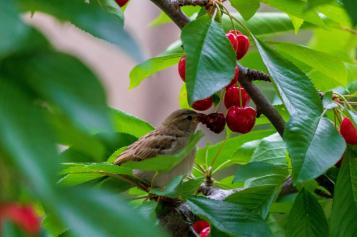
Cherry trees flower in spring, followed by fruit in summer. Fruit ripening depends on variety, climate and season. Birds love cherries as much as gardeners do, so netting is often essential before fruit colours up. Use wildlife-safe netting and secure it properly so birds cannot become caught.
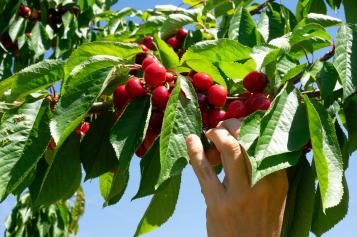
Climate and positioning tips
Cherry trees are best suited to cool and cold winter areas, especially regions that provide enough winter chill for fruit set. They are commonly grown in cooler parts of Australia such as Tasmania, Victoria, parts of NSW, the Adelaide Hills and other suitable elevated or cool-climate regions.
In warmer areas, cherry growing becomes more difficult unless you select a suitable low-chill or locally recommended variety. Always check the label and buy from a nursery that understands your local conditions.
How to propagate cherry trees
For reliable fruit quality, cherry trees are best purchased as named grafted varieties rather than grown from seed. Grafted trees give better predictability for fruit type, tree size and climate suitability. Dwarfing rootstocks are especially useful for smaller gardens and pots.
Home gardeners should choose healthy nursery stock with strong roots, a clear graft union and no obvious pest or disease issues. Check whether a pollinator is required before buying.
Pests & diseases
Cherry trees can be affected by birds, root rot, fruit splitting after rain, aphids, scale and fungal diseases. Cherries are highly susceptible to root rot, and commercial growers go to considerable effort to protect fruit from rain damage and splitting.
Good drainage, open pruning, careful watering and garden hygiene are the best starting points. Remove fallen fruit, avoid wetting fruit and foliage where possible, and monitor trees regularly through spring and summer.