How to Grow Gardenia
Gardenias are warm climate flowering shrubs or small trees, loved for their beautifully perfumed blooms. Gardenia plants have dark green, glossy leaves year round and white or yellow heavily fragrant flowers in spring, summer and autumn.
Grow gardenias in a warm, sunny spot with protection from hot afternoon sun and frosts. They love a rich, moist soil that is slightly acidic and they’re heavy feeders - so choose a gardenia suitable fertiliser that nurtures plant growth both above and below the ground.
5 top tips for growing gardenia
- Grow gerdenias in a full sun to part shade spot, protected from hot afternoon sun and frosts.
- Gardenias need a rich, moist and slightly acidic soil to thrive
- Regular feeding with a gardenia suitable fertiliser will keep their flowers blooming and foliage green and glossy
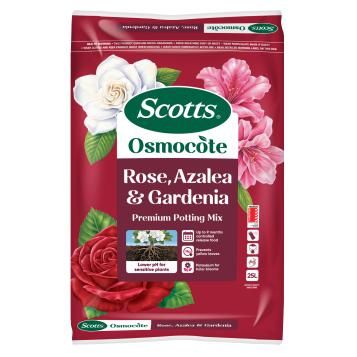
- Gardenias will happily grow in pots, just use a gardenia suitable potting mix like Scotts Osmocote® Rose, Gardenia, Azalea & Camellia Mix and choose a pot with good drainage, but remember to water regularly as gardenias don’t like drying out.
- Remove spent flowers and tip prune in winter to encourage new bushy growth.
Essential shopping list for growing gardenia plants
- Gardenia plant
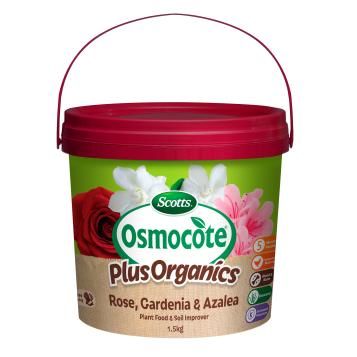
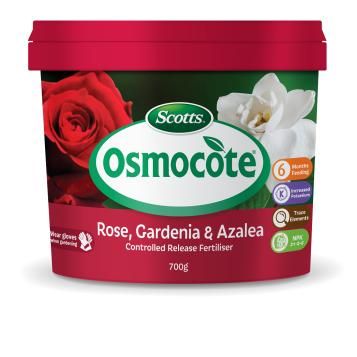
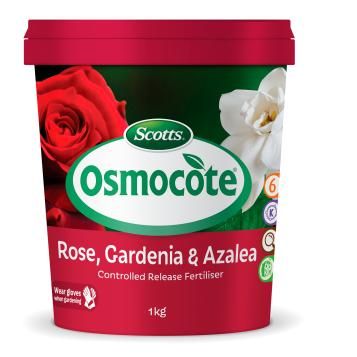
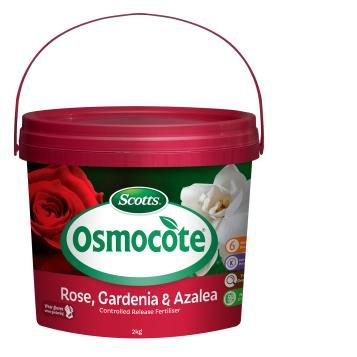
- Scotts Osmocote® Plus Organics Roses, Gardenias & Azaleas Plant Food & Soil Improver
- Scotts Osmocote® Compost Premium Soil Improver
- Garden Shovel
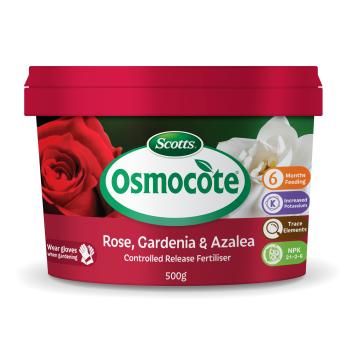
- If growing in pots, you’ll need Scotts Osmocote® Rose, Gardenia, Azalea & Camellia Mix and Scotts Osmocote® Controlled Release Fertiliser: Roses, Gardenias, Azaleas & Camellias and a suitable pot or container
Gardenia plant types
Gardenias come in a range of sizes and growth habits, from compact shrubs suited to pots and small gardens through to larger screening varieties. Choosing the right type depends on whether you want a low hedge, feature plant, or tall privacy screen.
Gardenia augusta varieties (general garden use)
Popular varieties, all cultivars of Gardenia augusta (also sold as G. jasminoides), include:
- ‘Florida’ – the classic low hedge, growing to about 1m, with fragrant white flowers and glossy foliage
- ‘Magnifica’ – taller-growing, with bigger blooms, often used as a feature shrub
- ‘Aimee’ – large flowers, adaptable to sun and shade conditions
- ‘Radicans’ – a low, spreading form ideal for groundcover and edging
Gardenia varieties for hedges and screening
Gardenia augusta cultivars are commonly used for informal hedges thanks to their dense growth and evergreen foliage. Smaller varieties can form neat borders, while larger cultivars create taller privacy screens.
For hedging and screening, choose varieties with dense growth and good pruning response:
- ‘Florida’ – reliable for low, dense hedges
- ‘Magnifica’ – excellent for larger hedges and feature screens
- ‘Aimee’ – adaptable and suited to mixed sun conditions
- ‘Radicans’ – ideal for low hedges and edging
For a genuinely different type, the star or tree gardenia (Gardenia thunbergia) is a larger, more open shrub with bigger, star-shaped flowers.
Tips for planting gardenia hedges
Plant gardenias in well-drained, acidic soil enriched with organic matter to support healthy growth and flowering. Space plants around 60cm to 1m apart depending on the mature size of the variety and how quickly you want the hedge to fill in. Choose a sheltered position with morning sun and afternoon shade, and mulch well after planting to retain moisture and suppress weeds.
How to maintain a gardenia hedge
Water gardenias regularly, especially during dry periods, to keep the soil consistently moist but not waterlogged. Feed with an acid-loving plant fertiliser in spring and summer to encourage strong growth and flowering. Apply a fresh layer of mulch each year to help maintain soil moisture and health, and monitor leaves for yellowing, which can indicate nutrient deficiencies or soil pH issues.
Preparation
Gardenias need a full sun to part shade spot - depending on the variety you’ve chosen - all varieties will appreciate protection from hot afternoon sun and frosts. Gardenias prefer a moist, but free draining soil that’s slightly acidic.
Prepare the soil for planting gardenias by mixing Scotts Osmocote® Compost Premium Soil Improver and Scotts Osmocote® Plus Organics Roses, Gardenias & Azaleas Plant Food & Soil Improver through the soil in your chosen area.
Planting gardenia plants in the garden
Plant your gardenia into prepared soil - dig the hole twice as wide as the original pot and the same depth. Gently remove the gardenia from the nursery pot and tease the roots lightly if they are compact.
Plant into the hole and back fill around the plant. Water in well. Mulch around the base of gardenias to retain moisture and suppress weeds, but keep the mulch away from the main stem.
Planting gardenia plants in pots
Gardenia can be grown in large pots or planters with good drainage - choose a pot that’s at least 2 to 3 times bigger than the original nursery pot. You can always upgrade to bigger pots as your gardenia grows bigger.
Fill your pot or planter with Scotts Osmocote® Rose, Gardenia, Azalea & Camellia Mix. Gently remove the gardenia from the nursery pot and tease the roots lightly if they are compact. Plant the gardenia into the potting mix and back fill around the plant. Water in well and mulch over the surface of the potting mix to help retain moisture, but keep the mulch back from the plants main stems.
How to grow gardenia hedges
Gardenia hedges add structure, privacy, and fragrance, with dense evergreen foliage and highly scented flowers. Establishing them correctly is key to achieving a full, healthy screen.
Step 1: Choose the right variety
Select a gardenia suited to hedging, such as Gardenia augusta 'Florida' (the classic low hedge, about 1m), 'Magnifica' (taller, with bigger flowers), 'Aimee' (large flowers) or 'Radicans' (low groundcover and edging). Compact to medium-growing varieties with naturally dense foliage are best for creating an even screen.
Step 2: Pick the right location
Plant in morning sun with afternoon shade in hot areas, or full sun to partial shade in milder climates, in a spot sheltered from strong winds. Stable conditions help prevent stress and improve flowering.
Step 3: Prepare the soil
Gardenias prefer well-drained, slightly acidic soil. Improve the planting area with Scotts Osmocote® Compost Premium Soil Improver or other organic matter, aiming for a pH of around 5.0–6.5.
Step 4: Space plants correctly
Position plants approximately 60cm to 1 metre apart, depending on the variety. Closer spacing will result in a denser hedge more quickly.
Step 5: Plant your gardenia hedge
Dig a hole twice as wide as the root ball and plant at the same depth as in the pot. Backfill, firm the soil gently, and water in well.
Step 6: Water and mulch
Water deeply after planting and keep the soil consistently moist while plants establish. Apply mulch to retain moisture and regulate soil temperature.
Step 7: Maintain your hedge
Feed with Scotts Osmocote® Plus Organics Roses, Gardenias & Azaleas Plant Food & Soil Improver in spring and summer, water regularly during dry periods, and lightly prune to maintain shape and encourage dense growth.
Gardenia fertiliser & gardenia care
Gardenia are hungry plants, at a minimum they will need fertilising in spring and again in autumn with Scotts Osmocote® Plus Organics Roses, Gardenias & Azaleas Plant Food & Soil Improver or if you’re growing in pots use Scotts Osmocote® Controlled Release Fertiliser: Roses, Gardenias, Azaleas & Camellias.
Yellowing or pale discoloured leaves are generally a sign your gardenia is hungry, consider another application of fertiliser and check the soil pH is slightly acidic around 5.5-6.5.
Cold weather or waterlogged soil can also discolour the leaves of gardenia - if you’re in ground gardenias are badly effected by these it’s worth growing them in a pot instead. Potted gardenias can easily be moved around for warmth or out of the rain if needed.
Pruning gardenias
Pruning gardenias helps maintain their shape, encourage bushier growth, and promote more reliable flowering each season. While they don’t require heavy pruning, knowing when and how to trim them makes a noticeable difference to both their appearance and performance.
When should you prune gardenias?
Gardenias should be pruned after they finish flowering. In most of Australia the main flowering flush runs from late spring into summer, so the after-flowering prune usually falls in mid-to-late summer rather than while the plant is still in bloom. This timing is important because it allows the plant to produce new growth that will carry next season’s flower buds. Pruning too late in the year can remove these buds and reduce flowering.
How do you prune gardenias?
Pruning gardenias is best done with clean, sharp secateurs to avoid damaging the plant. Start by removing any dead, damaged, or diseased branches, then lightly shape the plant by trimming back the outer growth. The goal is to maintain a natural, bushy form rather than cutting too deeply into older wood, which can be slower to regenerate.
Can you hard prune gardenias?
Gardenias can tolerate a harder prune if they have become overgrown or leggy, but this should be done carefully. A more severe cut may reduce flowering for a season while the plant recovers, so it’s best reserved for rejuvenating older plants rather than routine maintenance.
How often should you prune gardenias?
In most cases, gardenias only need a main prune once a year after flowering. Occasional light trimming can be done throughout the growing season to keep the plant neat and encourage denser growth.
Common gardenia pests and diseases
Whitefly, aphids and scale can sometime cause a problem on gardenias - spray any infestations with an insecticide as needed.
Sooty mould is a secondary problem caused by infestations of scale or aphids. Control these pests using an insecticide and it will prevent the sooty mould.
Growing Gardenia FAQs
Can gardenias be grown as a hedge?
Yes. Their dense, evergreen growth makes them ideal for hedging.
What’s the best gardenia variety for screening?
Choose a medium to tall, dense-growing variety that responds well to pruning.
How often should I prune a gardenia hedge?
Once after flowering, with light trims as needed during the growing season.
Can I shape gardenias into formal hedges?
Yes, regular trimming allows them to be maintained as formal hedges.
When's the best time to prune my gardenia?
The best time to prune a gardenia is just after it finishes flowering, typically in mid-to-late summer for most of Australia.
What happens if I don’t prune my gardenia?
Plants can become leggy, uneven, and produce fewer flowers.
Can I prune gardenias in winter?
It’s not recommended, as you may remove developing flower buds.