How to get rid of dandelions in your lawn
How to get rid of dandelions in your lawn
Dandelions might look cheerful with their bright yellow flowers, but they can be a stubborn weed in Australian lawns. Their deep taproots make them difficult to remove completely, while their fluffy seed heads can spread hundreds of seeds on the wind. Left unchecked, a few plants can quickly become a bigger problem.
The good news? Dandelions are manageable. With a little know-how and a healthy lawn, you can keep them under control and stop them taking over your turf. Read on for practical ways to prevent and remove dandelions without harming your grass.
What are dandelions?
Dandelions are perennial broadleaf weeds. You'll recognise them by their bright yellow, daisy-like flowers, tall hollow stalks and fluffy white seed heads. Their deeply toothed leaves grow in a low rosette shape, sitting flat against the ground.
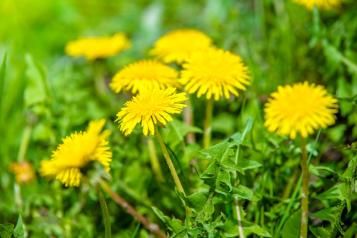
After flowering, dandelions produce the familiar white "puffball" seed heads. Each seed is attached to a tiny parachute-like structure that helps it travel on the wind, making it easy for dandelions to spread from one lawn to another.
In Australian lawns, dandelions are often most noticeable from late winter through spring, when their leaves, flowers and seed heads become more obvious. In suitable conditions they can flower for much of the year, so it's worth keeping an eye out for them whenever you're spending time in the garden.
Why are dandelions a problem?
Like other broadleaf weeds, dandelions compete with your lawn for water, nutrients and space. As they spread, they can weaken grass and leave your lawn looking patchy and uneven.
Dandelions are also excellent at spreading themselves around. A single seed head can contain many seeds, all of which are easily carried by the wind into nearby lawns, garden beds and nature strips
They can also be tricky to remove. Dandelions produce a long taproot that can extend deep into the soil. If part of the root is left behind when weeding, the plant may regrow and continue to spread.
Why are dandelions growing in your yard?
Dandelions often find it easier to establish in lawns that are thin, patchy or under stress. Bare patches caused by pets or heavy foot traffic, compacted soil, and lawns that aren't regularly fed can all create opportunities for dandelion seeds to settle in and grow.
That doesn't mean a healthy lawn is completely immune. Dandelion seeds travel easily on the wind, so they can arrive from neighbouring properties or nearby open spaces.
That's why a healthy lawn is your best defence. Thick, actively growing turf leaves fewer gaps for weeds to establish and helps crowd out new seedlings before they become a problem.
How to prevent dandelions
Because dandelions are more likely to establish in thin or struggling lawns, keeping your turf healthy is one of the best ways to prevent them. A dense, vigorous lawn leaves little room for weeds to move in.
1. Kill dandelions at first sight
The sooner you tackle dandelions, the better. If you spot them before they set seed, remove the flowers or mow them off to stop seed heads forming.
Hand removal can be effective, but dandelions have deep roots and any remaining root fragments may regrow. For an easier option, use a selective spot-spray herbicide suitable for lawns and follow the label directions.
2. Stop seeds from spreading
A few dandelions are much easier to deal with than a widespread infestation. If plants have already produced seed heads, mow and collect the clippings rather than leaving them on the lawn. This helps reduce the chance of seeds spreading around your yard.
3. Mulch garden beds
A generous layer of mulch over garden beds can help suppress weeds and reduce the amount of light reaching the soil surface. It also helps retain soil moisture and keeps garden beds looking neat and tidy.
4. Mow regularly (but don't cut too short)
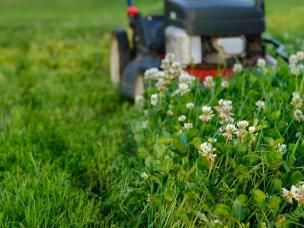
Regular mowing helps keep your lawn healthy, but avoid cutting it too low. Aim to keep your lawn at the recommended mowing height for your grass type.
Taller grass shades the soil and makes it harder for dandelion seedlings to establish.
5. Water less often, but deeply
Deep watering encourages stronger, deeper grass roots. Rather than watering lightly every day, give your lawn a thorough soak about once a week, adjusting for rainfall and seasonal conditions.
If water struggles to penetrate your soil, Scotts Lawn Builder™ + Wetting Agent can help improve water movement through the lawn profile.
6. Feed with a high-quality fertiliser
Regular feeding helps your lawn grow thick, green and healthy. A dense lawn is naturally better at competing with weeds and filling bare patches before unwanted plants can establish.
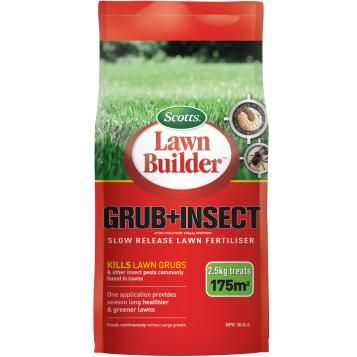
Apply a quality fertiliser such as Scotts Lawn Builder™ according to the label directions. For best results, feed in early spring, early summer and again in mid to late autumn. If you only fertilise once a year, late spring to early summer is usually the most beneficial time.
How to get rid of dandelions
Already spotted dandelions in your lawn? Don't worry. A few simple steps can help get the problem under control. The earlier you act, the easier they are to manage.
1. Remove dandelions by hand or spot spray
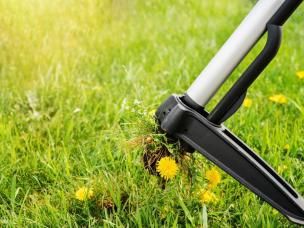
For small infestations, hand weeding may be all that's needed. Try to remove as much of the taproot as possible to reduce the chance of regrowth.
If you'd rather not dig them out, carefully spot spray individual plants with a selective lawn weedkiller. Take care to avoid nearby garden plants, and reapply only if directed on the label.
2. Mow
Mowing won't kill dandelions, but it can help stop them producing seed. If plants have flowering stems or seed heads, mow and collect the clippings to help reduce seed spread around the lawn.
3. Use a selective broadleaf weedkiller and lawn fertiliser
If you're looking for the best dandelion killer that won't kill grass, choose a selective broadleaf weedkiller labelled for your lawn type. Selective broadleaf weedkillers are designed to target weeds such as dandelions while being suitable for established lawn grasses when used as directed.
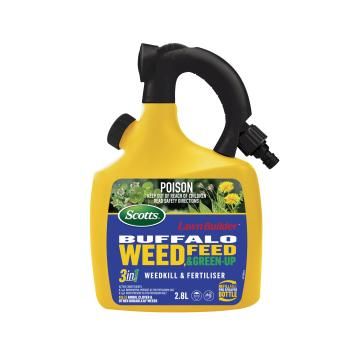
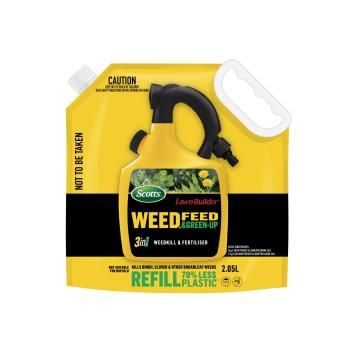
For buffalo lawns, choose a product specifically labelled for buffalo grass. Scotts Lawn Builder™ Buffalo Weed, Feed & Green Up is suitable for established buffalo lawns (excluding ST varieties), as well as couch, Queensland blue couch, bent, fescue, kikuyu, paspalum and ryegrass. For other suitable lawn types, Scotts Lawn Builder Weed, Feed & Green Up Refillable Bottle is another option when used according to the label.
For best results, apply when weeds are actively growing. Results may be slower during winter, so always follow the label directions carefully.
4. Repair your lawn
Once dandelions have been removed, your lawn may need a little help filling in any thin patches. Regular feeding and good lawn care will encourage healthy growth and help your grass recover more quickly.
Topdressing can also help improve the appearance of uneven areas and support a thicker, healthier lawn over time.
5. Stay vigilant
Dandelions are persistent weeds. Even after you've removed visible plants, new seedlings may emerge from existing seed in the soil or arrive on the wind from nearby areas. Dandelion seed can remain viable in soil for up to five years.
A quick check of your lawn every now and then can make a big difference. Catching new plants early is one of the easiest ways to stay on top of the problem.
FAQs
What's the best way to kill dandelions?
For small numbers of plants, remove dandelions by hand using a weeding tool and try to remove the entire taproot. For larger infestations, use a selective broadleaf weedkiller that's suitable for your lawn type and follow the label directions carefully.
What kills dandelions but not grass?
Selective broadleaf weedkillers are designed to target broadleaf weeds such as dandelions while leaving suitable lawn grasses unharmed when used correctly. Always choose a product that is suitable for your turf type and follow the label instructions.
What's the best time to kill dandelions?
The best time to tackle dandelions is as soon as you notice them, ideally before they flower and produce seed heads. They're often most noticeable from late winter through spring, so it's worth keeping an eye on your lawn during these seasons.
How do I stop dandelions spreading from my neighbour's yard?
Because dandelion seeds travel on the wind, it's impossible to control every seed that enters your yard. The best approach is to maintain a thick, healthy lawn. Dense turf leaves fewer opportunities for seeds to settle, germinate and establish.