
A lush green lawn is a classic part of the Aussie backyard. From the front ‘show’ lawn to the family-sized cricket pitch or footy field out the back, it’s hard to imagine suburban life without one.
Whether you’ve got a quarter-acre block or a compact inner-city courtyard, lawns have long been a source of enjoyment — and let’s be honest, a bit of pride too.
The good news? Keeping your lawn healthy and looking its best doesn’t have to be hard.
Below, you’ll find our simple lawn maintenance guide and top lawn tips to help you grow a lawn you’ll love spending time on.
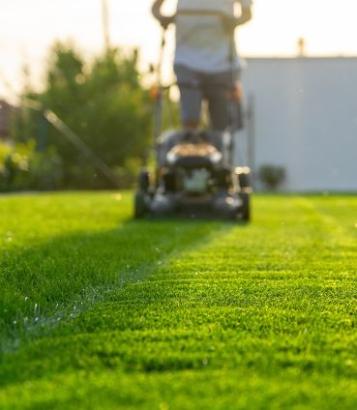
How to mow a lawn
Mowing might seem simple, but getting it right makes a big difference to how your lawn looks and how well it grows.
Keep these easy tips in mind next time you fire up the mower:
- Aim for ‘barefoot length’. Your grass should feel soft underfoot, with a bit of spring when you walk on it.
- Don’t mow too low. Cutting the grass too short can stress your lawn, lead to patchiness and actually encourage faster regrowth — not what you want.
- Skip watering just before or after mowing. Wet grass is harder to cut cleanly and can put extra strain on your lawn.
- Choose the right time of day. Mow in the morning or late afternoon and avoid the hottest part of the day to reduce lawn stress.
- Keep your mower in good nick. Sharp, clean blades give a neater cut and are kinder to your grass. Regular servicing and a clean under the deck make all the difference.
- Empty the catcher regularly. A full catcher adds weight and can cause an uneven cut, so empty it before it’s packed to the brim.
A little care when mowing goes a long way — and your lawn will reward you with thicker, healthier growth.
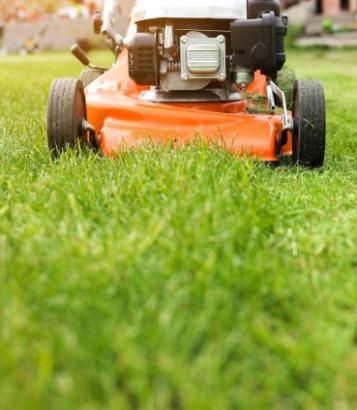
What is mulch mowing?
Mulch mowing is a mowing method where the grass clippings are finely chopped and returned to the lawn instead of being collected in the catcher.
A mulching mower uses a specially designed blade system to cut the grass, then recut the clippings into very fine pieces before blowing them back down onto the lawn. When mowing in mulch mode, the catcher isn’t used.
These fine clippings break down quickly, returning nutrients and organic matter back into the soil. They also help protect the lawn by reducing moisture loss and shielding the soil from heat during warmer months.
That said, mulch mowing isn’t always the best option.
It’s better to mow with the catcher on:
- When the grass is damp or wet
- If there will be lots of foot traffic straight after mowing (clippings can stick to shoes and feet)
- When the grass is long or overgrown
- During cooler, damp months, when clippings may not break down quickly and could lead to fungal issues
Used at the right time, mulch mowing can be a great way to feed your lawn naturally — it’s just about knowing when it works best.
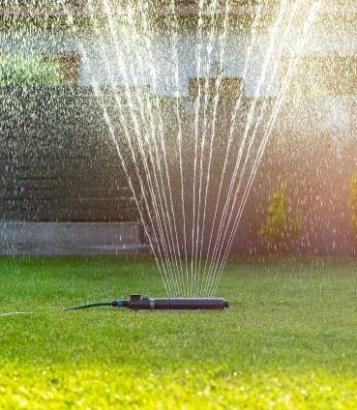
How and when to water your lawn
A healthy lawn that’s well fed, regularly mown and properly maintained is surprisingly tough — and can handle dry conditions better than you might expect. But even the best lawns need a helping hand from time to time.
The key to good watering is making sure it’s effective, efficient and well-timed.
Keep these tips in mind:
- Water early in the day. Morning watering gives your lawn time to dry before nightfall, helping reduce humidity and the risk of fungal problems.
- Avoid watering in windy conditions. Wind causes water to drift and evaporate before it reaches the soil.
- Water deeply, not often. Slower, longer watering encourages moisture to soak deeper into the soil, helping roots grow stronger and deeper.
- If water runs off instead of soaking in, a soil wetter can help improve penetration. Use Scotts Lawn Builder + Wetting Agent which will help water reach the root zone where it’s needed most.
- Use a timer with sprinklers. A mechanical tap timer helps prevent overwatering and saves water.
- Choose the right sprinkler. Adjustable sprinklers let you target the lawn and avoid wasting water on paths, paving and driveways.
Top tip
Regular mulch mowing helps your lawn hold onto moisture. The finely chopped clippings act like a natural mulch, improving soil structure and reducing both how often — and how long — you need to water.
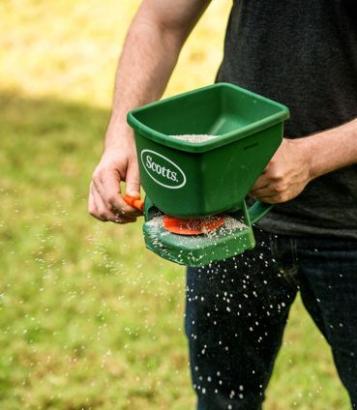
Why fertilising your lawn matters
If there’s one job that delivers the biggest payoff for your lawn, it’s fertilising. It’s quick, easy — and makes a huge difference to how your lawn looks and performs.
Feeding your lawn with a balanced, slow-release fertiliser like Scotts Lawn Builder helps it grow greener, stronger and more resilient. A well-fed lawn is better equipped to handle dry conditions, crowd out weeds and bounce back from everyday wear.
What’s surprising is how few people do it. As few as one in four homeowners regularly fertilise their lawn — even though it’s one of the simplest lawn care steps you can take.
If you only do one maintenance job (aside from mowing), make it fertilising. It takes less than 10 minutes for the average lawn and keeps working for months.
Lawn fertilising tips
Getting the best results is easy when you follow a few simple steps:
- Prep your lawn first. Rake away leaves, clippings and debris so the fertiliser reaches the soil.
- Time it right. Wait at least two days after mowing before fertilising.
- Hold off on mowing after feeding. Leave it for about a week and mow without the catcher the first time so nutrients stay where they’re needed.
- Choose the right product. Select a Scotts Lawn Builder Slow Release fertiliser suited to your lawn type and the season.
- Stick to the recommended rate. Always follow the directions on pack — applying more won’t give better results and can damage your grass.
- Feed regularly. For best results, fertilise three times a year: early spring, early summer (before it gets too hot) and mid to late autumn.
- Short on time? If you only feed once a year, late spring to early summer is best.
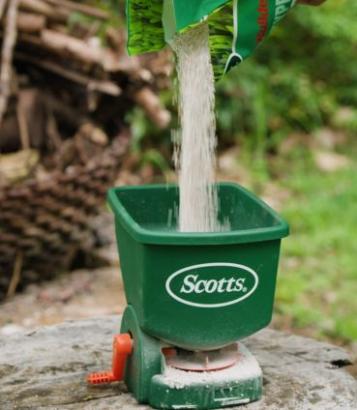
- Apply evenly. Use Scotts Handy Green Fertiliser Spreader or Scotts EvenGreen Drop Fertiliser Spreader to ensure consistent coverage.
- Water correctly after feeding. Follow the pack instructions to help nutrients move into the soil.
- Store it smart. Once opened, use lawn food within six months for best performance.
A little feed goes a long way — and your lawn will show it.
Two-in-one fertiliser: Fast green-up and long-lasting feed
Not so long ago, lawn care meant choosing between a quick green-up or long-term feeding — but not both. Pushing for fast results often meant overdoing it, which could stress your lawn and lead to issues like nutrient runoff or soil imbalance.
That’s changed.
Scotts Lawn Builder Extreme Green gives you the best of both worlds. You get a fast, visible green-up — plus slow-release feeding that keeps working for up to three months.
Feed your lawn mid-week and it can be looking rich and green by the weekend. Even better, you won’t need to feed again for months.
What you’ll need
- Leaf rake
- 4kg bag of Scotts Lawn Builder Extreme Green Granular Fertiliser
- Fertiliser spreader (handheld or wheeled)
Step 1: Measure and set up
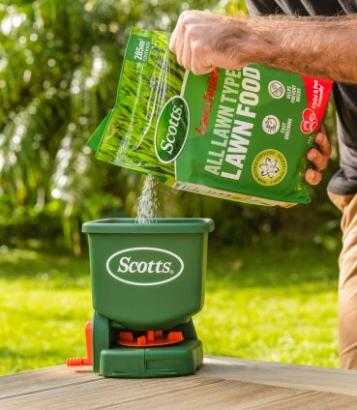
Measure your lawn in square metres to work out how much fertiliser you’ll need (one large stride is roughly one metre). Check the directions on pack for the correct application rate, then add the required amount to your spreader. Set the spreader to the recommended setting listed on the bag.
Step 2: Apply evenly
Walk the full lawn area while spreading the fertiliser, allowing a slight overlap at the edges to ensure even coverage. A simple approach is to apply half the fertiliser walking north–south, then the other half east–west.
Tip: If you’re using a handheld spreader, you may find it easier to walk backwards.

Step 3: Water it in
Water your lawn thoroughly straight after application to activate the fast green-up. If rain is forecast, time your application just before it arrives for an easy water-in.
Why lawn aeration matters
Even with everyday foot traffic, the soil under your lawn can become compacted over time. When this happens, grass roots struggle to grow, breathe and access the water and nutrients they need.
Compaction often shows up as worn areas that are slow to recover, thinning grass or patches that just won’t bounce back. If your lawn looks tired no matter what you do, compacted soil could be the reason.
The good news? Aeration is a simple way to get your lawn back on track.
What you’ll need
- Spring-tined lawn rake
- Garden fork or a spiked lawn roller
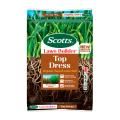
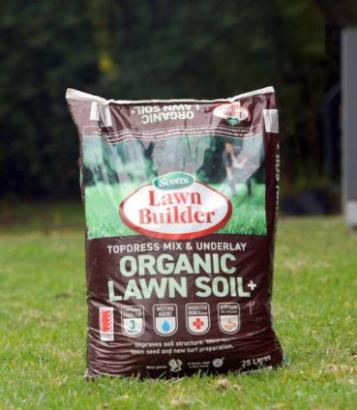
- Washed river sand or Scotts Lawn Builder Top Dress
- Scotts Lawn Builder lawn fertiliser (choose the right one for your lawn and the season)
Step 1: Clear the surface
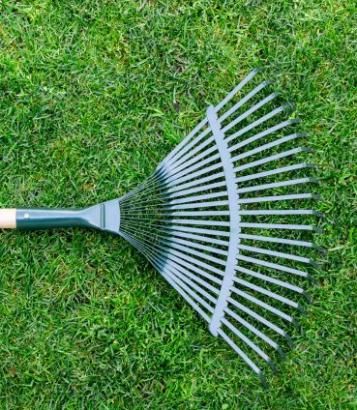
Use a spring-tined rake to vigorously rake the lawn, removing dead grass, thatch and debris. This opens up the surface and helps air, water and nutrients move more freely into the soil.
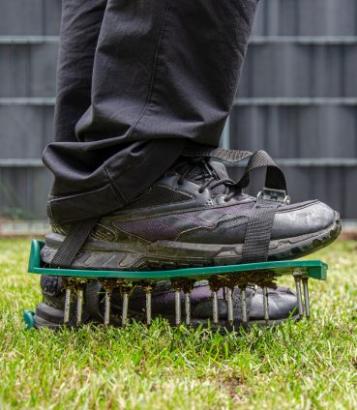
Step 2: Aerate the soil
For smaller lawns:
Use a sturdy garden fork, pushing it about 5 cm into the soil, then gently rock it back and forth to open up the holes. Work across the lawn at roughly 10 cm spacing.
For larger lawns:
Hire a spiked lawn roller, part-fill it with water and roll it over the lawn. It’s easier to pull than push and makes light work of bigger areas.
Step 3: Topdress and feed
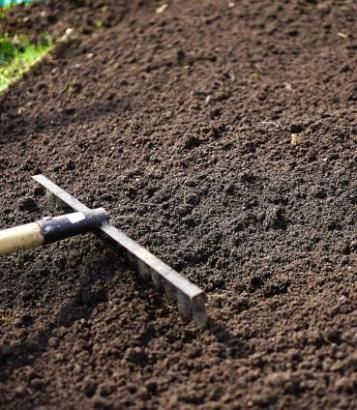
Spread washed river sand or Scotts Lawn Builder Top Dress over the aerated area. If you haven’t already fed your lawn, apply a suitable Scotts Lawn Builder fertiliser at the same time. Rake everything in well, then water thoroughly.
Aeration helps your lawn breathe again — and when air, water and nutrients can reach the roots, healthier growth quickly follows.
Top tip
Aerate when the soil is slightly moist, not bone dry or waterlogged. This makes it easier to open up the soil and reduces stress on your lawn
Scotts Lawn Builder Fast Green — when your lawn just needs a colour boost
If your lawn is already healthy and growing well, but the colour’s looking a bit tired, Scotts Lawn Builder Fast Green is an easy way to bring back that rich green look — fast.
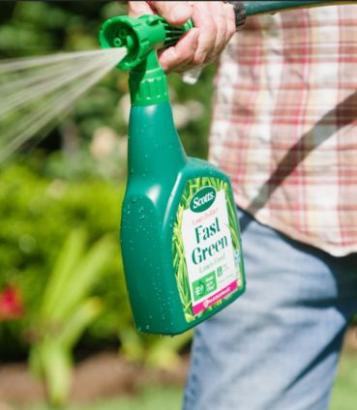
This hose-on liquid lawn food is designed to deliver a quick, visible green-up, often within 24 hours. It works by feeding the grass through the leaf, using nitrogen and iron to enhance colour without overloading the soil.
Fast Green is ideal when your lawn doesn’t need long-term feeding — just a simple lift in colour before the weekend, a get-together or a bit of backyard showing off.
Why use Fast Green?
- Ideal for already healthy lawns that just need greening
- Fast results you can see quickly
- Easy hose-on application — no mixing or spreading
- Great as a top-up between regular fertilising
See how easy it is to use below.

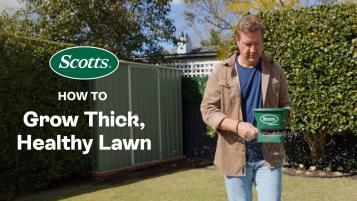
Discover more on Scotts YouTube channel
Looking for more lawn care tips to keep your lawn healthy throughout the year? Visit our YouTube channel for all your essential lawn tips and tricks.