How to get rid of paspalum grass in your lawn
How to get rid of paspalum grass in your lawn
Spotted a coarse clump of grass growing differently from the rest of your lawn? It may be paspalum, a grassy weed that can spread by seed and, depending on the species, through underground stems. Left alone, paspalum can outcompete your turf for food, water, and sunlight. Thankfully, with the right approach, you can limit its spread and get it under control for good. Here's how to identify, prevent, and get rid of it.
What is paspalum?
Paspalum, is an introduced perennial grassy weed. It grows in dense clumps that can reach up to 1.5m tall if left unmown, though in a regularly mown lawn, it's kept short, making it trickier to spot.
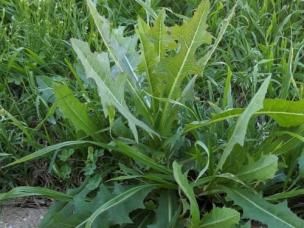
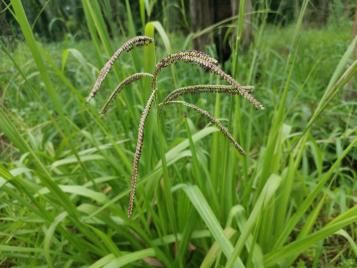
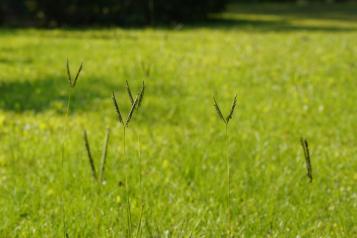
Its leaves are long, green and flat. The weed should stand out from your lawn grass, as the blades are much wider and coarser than regular turf, with a distinctly purple sheath at the base. But the easiest way to spot paspalum is by its seed heads, which grow out from a central stalk in long, spiky, claw-like branches. Each seed head is covered in small spikelets arranged in rows along the seed-head branch
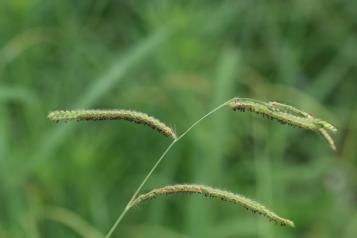
Paspalum flowers from spring through to summer, spreading mainly via seeds carried by wind or animals. But it also grows underground rhizomes, meaning it can regrow even if only the top of the plant is pulled out.
Why is paspalum a problem?
Paspalum can form dense clumps that compete with turfgrass for space, water, nutrients and light. This weakens your turf and can leave you with an unhealthy, patchy or thin lawn.
It's also notoriously difficult to control, as it spreads prolifically via both seed heads and underground rhizomes. The plant produces large amounts of sticky seeds, which can attach themselves to shoes, pets, and mowers, or can spread on the wind, while its rhizomes extend the infestation beneath the surface. This means pulling the weed by hand needs to be done carefully. Leave any rhizome fragments behind, and the plant can simply regrow.
Some people may also be allergic to paspalum's pollen, while its seed heads can become infected with ergot, a fungus that can be toxic to animals if eaten.
Why is paspalum growing in your yard?
The presence of paspalum can be a useful indicator of your lawn's overall health. Paspalum will take advantage of weak turf, and tends to thrive in lawns that are already struggling. If your lawn has bare or thin patches, it becomes much easier for paspalum to move in.
Paspalum also favours warm, wet weather, so you’re more likely to spot it after heavy rainfall or rising temperatures. It spreads easily too, thanks to sticky seeds that readily attach themselves to animals, shoes, tools and mowers, or simply blow in on the wind. Below ground, the plant also spreads via underground rhizomes.
How to prevent paspalum
A healthy lawn is your best defence against weeds like paspalum, although stopping the spread of seeds is also a good move. Here’s how to keep paspalum out of your yard:
1. Dig out clumps
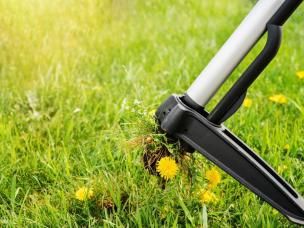
If you’ve noticed a small infestation, you can remove the weed by hand using a garden fork, trowel or weeder. Just be sure to remove the entire plant, including the underground roots and rhizomes. If you leave any fragments behind, it’s likely to resprout.
2. Stop the spread
Remove seed heads before they mature, and clean footwear and equipment after working in affected areas. If you’re digging out plants, remove the entire rhizome to stop it regrowing underground. It’s also worth chatting to your neighbours about removing any tufts they find, since seeds can easily blow in from next door.
3. Feed your lawn with a high-quality fertiliser
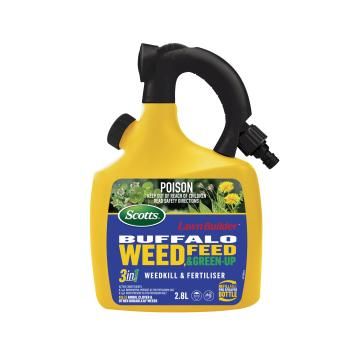
Feed your lawn with a high-quality fertiliser so it’s healthy enough to outcompete paspalum. Use a liquid feed like Scotts Lawn Builder™ 3in1 Weed, Feed & Green Up Liquid Lawn Fertiliser or a granular one like Scotts Lawn Builder™ + Organics Lawn Food & Soil Improver.
4. Minimise bare patches of lawn
Paspalum will take advantage of thin or patchy lawn. To maintain a thick healthy lawn that can outcompete invading weeds, use a product like Scotts Lawn Builder™ Lawn Thickener Lawn Seed, which can help you fill in any gaps.
5. Raise the height of your mower
Mowing regularly encourages lateral growth, which makes your lawn look nice and thick. Just be careful not to set your mower too low. Cutting too close to the ground can damage the stem of your grass and scalp your lawn, which leads to thinning. Always mow at the recommended height for your lawn type. Taller grass shades paspalum, starving it of the sunlight it needs to grow.
6. Use a non-selective herbicide
Because paspalum is a grass, broadleaf lawn weedkillers will not control it. Established paspalum can be treated with a herbicide labelled for this weed, such as Roundup® Total Weedkiller. This is a non-selective herbicide that can also kill surrounding lawn grass, so use it only as directed on the label and avoid contact with turf you want to retain.
How to get rid of paspalum
The best defence against paspalum is a thick, healthy lawn that can naturally outcompete weeds. But if you’ve already spotted an infestation, it’s best to tackle it with a hands-on approach.
1. Hand weed
If the infestation is small dig around the clump and remove the crown and as much of the root and underground stem system as possible. Leave any remnants behind, and the weed is likely to reappear.
Once you’ve dug out the paspalum, top dress your lawn and reseed to fill in any bare patches. We recommend a product like Scotts Lawn Builder Top Dress 25L, followed by Scotts Lawn Builder™ Lawn Thickener Lawn Seed.
2. Use a weed killer
Many broadleaf weed killers will not control paspalum because it is a grassy weed. Use only a paspalum weed killer whose label confirms suitability for both the weed and your lawn type. Glyphosate, for example, will kill paspalum, but it’s non-selective, meaning it’ll kill everything it touches, including your much-loved lawn and plants. To avoid this, use a specially designed weed brush or spray bottle to apply the weedkiller directly onto the plant, minimising overspray that could harm surrounding grass and garden beds.
FAQs
How do I get rid of paspalum in my lawn?
Since paspalum isn't a broadleaf weed, most standard weed killers won't work on it. Hand weeding is an option for smaller infestations, as long as you remove the entire plant, including its rhizomes.
How can I stop paspalum spreading?
Paspalum can spread by seed, while some species also expand through short underground stems. Remove seed heads early and dig out the full clump where practical. To limit its spread, clean equipment thoroughly and check shoes and paws to remove sticky seeds.
Can I mow paspalum to get rid of it?
Not entirely, although it can help keep it under control. Mowing cuts off seed heads, which is a good start, but paspalum also has underground rhizomes, meaning it can still spread underground even if you've cut off the top of the plant. When mowing, keeping your grass a little longer (about 8cm) is a good idea because it shades paspalum and starves it of sunlight.
Is paspalum harmful to pets?
It can be. Paspalum can sometimes carry ergot, a fungal disease that’s toxic to pets if ingested.