
A thriving garden starts with getting the basics right. Plants need suitable light, the right amount of water and a steady supply of nutrients to support healthy growth.
You have chosen the right spot and worked out when to water, but how do you know your plants are getting the nutrients they need? That is where fertiliser comes in. The right fertiliser can supplement the nutrients available in the soil or potting mix, helping plants grow healthy roots, foliage, flowers and fruit.
Choosing a fertiliser does not need to be complicated. Once you understand what is on the label and what your plants need, it becomes much easier to find the right option and apply it with confidence.
What this fertiliser guide covers
In this guide, we will take a closer look at:
-
The main types of fertiliser and how they work
-
How to understand NPK and fertiliser ratios
-
How to choose the right fertiliser for your plants
-
When and how to apply fertiliser
-
How soil pH can affect nutrient availability
What you need to know about fertilisers
Types of fertiliser
The most common types available:
- Organic based - either certified 100% organic or including organic matter.
- Composts and soil improvers.
- 'Instant hit' powder, granular and liquid fertilisers.
- Slow-release fertilisers.
- Controlled release fertilisers.
Learn more about the frequency, pros and cons of each.
The benefit of Osmocote slow release fertiliser
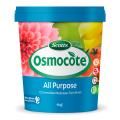
The benefits of Scotts Osmocote Controlled Release Fertilisers, include:
- Easy to apply
- Feeds for up to 6-months
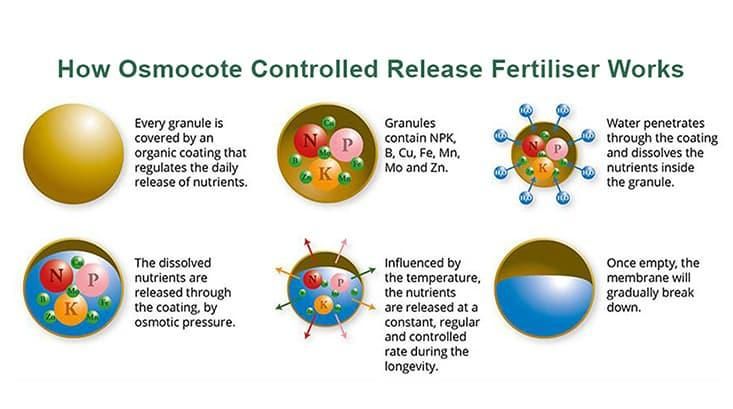
- Releases nutrients only when plants need them - more when it's warm and plants are growing and less when it's cold and growth is slow
- Scotts Osmocote® uses advanced prill technology that ensures even and controlled nutrient release with no wastage
- Wetting agent improves water absorption, helping plants take up nutrients
- Less excess and leaching, helping keep our environment healthy
Understanding fertiliser ratios and NPK fertilisers
Fertilisers are combinations of essential elements (nutrients) that have been mixed at specific ratios to encourage plants to grow, flower or fruit.
- Fertiliser manufacturers list these ratios on the packets, usually shown as N:P:K or Nitrogen (N), Phosphorus (P) and Potassium (K). These are the macro or major chemical elements that directly impact plant growth and development.
- Plants also require micro nutrients and trace elements to maintain optimal health. To see what these are and why they are important to plants, look at Fertiliser Components and their Uses.
Most fertiliser packaging will include a Guaranteed Analysis that lists all major, minor and trace elements included and their relevant percentages or parts per million.
The importance of soil pH
- The pH of your soil determines the availability of some nutrients
- Test your pH every three to four years and adjust accordingly
- pH should be between 5.5 and 6.5 for most flowering trees and shrubs.
To find out more about soil pH and healthy soils read our story How to establish a new garden bed.
What fertiliser and when
Choosing the best fertiliser for your plant type
High nitrogen fertilisers for young and newly planted trees
What: Use a high nitrogen fertiliser to help develop strong growth.
Note: Additional applications of chicken manure will also be of benefit.
Acidic fertilisers for acid-lovers like gardenias, camellias, roses and blueberries
What: Use a fertiliser like Scotts Osmocote Controlled Release Fertiliser for Roses, Gardenias, Azaleas & Camellias which has been specifically designed to give acid-loving plants the nutrients they need to flourish.
Note: Use a controlled release fertiliser to ensure the right nutrients are available at the right amount for your plant.
Native fertilisers high in phosphorous for native trees and shrubs
What: Use a fertiliser designed for phosphorus sensitive plants.
Note: Native plants may be hardy, but they still need feeding. As they are accustomed to phosphorus-deficient soils, ensure that you feed them with low P fertilisers.
High potassium fertilisers for flowering plants
What: To encourage flowering, most plants benefit from a fertiliser high in potassium, like Scotts Osmocote Pots & Planters Controlled Release Fertiliser. This is best applied at the start of Spring and Autumn. Use a liquid
Note: Use an all-purpose controlled release fertiliser twice a year, and apply liquid feeds throughout spring and summer for maximum wow!
No fertilisers for dormant (deciduous) trees and shrubs
What: Do not fertilise them while they are devoid of leaves!
Note: Wait until the first signs of new leaves and flowers appear in Spring before fertilising.
Additional fertilisers
What: Our range of fertilisers will improve plant health as well as pest and disease resistance.
Note: Liquid fertilisers help to give plants an instant boost as they contain a mix of macro, micro and trace elements.