
What is a weed? Your questions answered
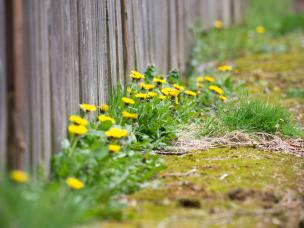
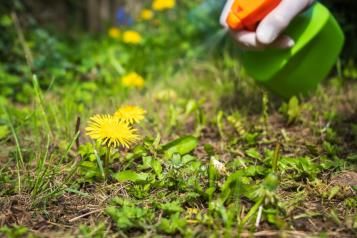
What is a weed? The dictionary says that a weed is “a wild (not deliberately cultivated) plant growing where it is not wanted”. By this definition, that means virtually any plant that is growing where we do not want it to grow is a weed.
But the plant you classify as a ‘weed’ will compete for air, light, plant food and space. They produce large numbers of seeds to regenerate (in some cases into the tens of thousands per plant per season) and will deprive cultivated plants of these requirements and reduce their vigour, yield or beauty.
Weeds not only affect the growth of nearby plants, but they are unsightly — so getting rid of weeds is essential to keep your garden looking tidy. But it’s not all about looks and plant growth: some weeds are toxic, or contain sap that causes skin rashes, which means there are health and safety reasons for removing them.
Unless you prefer to keep small areas of weeds in your garden to create a completely wild area, it is much better to get rid of weeds as soon as possible, especially as they can take up plenty of your valuable time in the process.
This guide gives you all the basic information around what defines a weed. We’ll explore some of the main types of British weeds, give you the tools for identifying weeds, and connect you to key resources that can help you remove weeds as efficiently, effectively and safely as possible.
What do weeds look like?
There’s no single characteristic that defines a weed, because there are so many different types, from the humble daisy that’s just a few centimetres tall, to the invasive Japanese knotweed that can grow taller than the typical human being.
Understanding what weeds look like starts with differentiating between different types. Annual weeds tend to last one year and spread seeds widely to regenerate, perennial weeds are the hardy, stubborn types that last several years and are hard to get rid of, while biennials last two years and contain features of both types.
What’s the best way of identifying weeds?
The sooner you spot a weed and identify it correctly, the quicker you can remove it. And the quicker you remove it, the easier it will be to stop it spreading to other parts of your green space.
Different weeds thrive in different areas, so knowing what they look like now makes them easier for you to spot in the future. Start with this guide on what are garden weeds and what aren’t, then take a more detailed look at the typical British weeds found in flower beds, and in lawns and gardens.
Can weeds be dangerous?
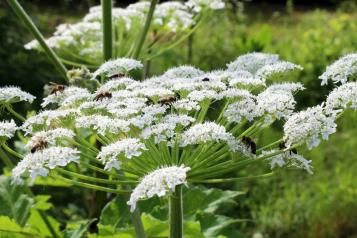
Yes, some of them can be dangerous. Some weeds are toxic when consumed by humans or animals (such as the highly dangerous water hemlock), and others can cause skin complaints through their sap if handled. It’s for that reason that some weeds (including some particularly invasive species) are subject to legal protections in the UK around how they’re handled and disposed of.
To get an idea of the kinds of problems dangerous and invasive species can cause, take a look at this guide on how to remove giant hogweed.
How can I get rid of weeds?
How you remove weeds is largely up to you, but some methods are better than others, depending on the circumstances involved. Among the top ways to treat weeds are: by hand if they’re small and young; using tools like forks and hoes; through mulches that prevent weed growth; and in more extensive cases, by using weedkiller.
The environment that weeds are growing in has a major influence on how difficult the weeds will be to remove, whether you should do so manually or by using weedkiller, and which type of weedkiller you use. As these guides demonstrate, there are some major differences between killing common garden weeds, and controlling and preventing lawn weeds.
How does weedkiller work?
Chemical weedkillers are designed to target specific types of plants, and affect them in such a way that they can’t survive. This could be by preventing them from photosynthesising, disrupting cell development, making them grow unsustainably quickly, or stopping them from absorbing vital nutrients.
Understanding how different types of weedkiller work is vital, so that you can pick the right product to tackle the specific weeds that are affecting your green space. This guide on how weedkillers work gives you all the key information, including the various types of weedkiller available.
Is weedkiller harmful to humans?
If weedkiller comes into direct contact with a human, yes. Weedkiller can be very harmful if it’s ingested, if it gets into eyes, or comes into contact with skin. Any weedkiller on skin should be washed off thoroughly as soon as possible, while more serious cases will require professional medical attention.
It’s therefore vital that you take precautions including protecting clothing when using any weedkillers, and understand your responsibilities around applying, storing and disposing of it safely. This guide on how to use weedkiller safely covers all the bases, including a list of top tips on minimising the risk of any accidents or injuries.
FAQs
Are weeds edible?
Some of them are. Many types of British weeds are safe to eat, and can be nutritious and delicious. They can be used in a huge range of foods, including soups, sandwiches, salads, stir fries, as part of a pesto, in sauces, as a coffee substitute and much more. Check out this guide to edible weeds to find out which secret food source might be growing in your garden, and don’t consume any weeds that you aren’t completely sure are safe to eat.
Do weeds only grow in gardens?
No. Weeds can theoretically grow in any natural landscape — and if there’s enough soil around — in some man-made landscapes, too. This guide to weeds in paths and patios can help you identify and remove any weeds on your hard surfaces, including why specialist products like Weedol® Path & Gravel Control can make a real difference.