
Which common lawn weeds should I look out for?
Not all weeds are the same, and being able to identify different types of weeds is important before you start planning their removal. Here are some common lawn weeds that you might encounter:
Lawn weeds can often be the enemy of a lush, green lawn. They not only spoil the look of the lawn, but can also hinder healthy and consistent growth of grass across the lawn as a whole.
That’s why controlling creeping lawn weeds is so important. You’ll need to be proactive to prevent these weeds growing out of control, and understand which tactics and products are best for different types of weeds, including when it’s best to use lawn weedkiller.
This guide explores some of the most common lawn weeds in the UK, how to remove weeds from your lawn permanently, and some top tips on how to approach weed removal.
Not all weeds are the same, and being able to identify different types of weeds is important before you start planning their removal. Here are some common lawn weeds that you might encounter:
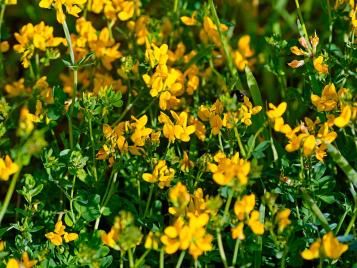
This member of the clover family has deep roots which create large patches. With runners that spread out underground and overground, this lawn weed can be highly invasive. It’s important to remove birdsfoot trefoil, as it can be poisonous to humans, and its sap has been known to cause dermatitis if human skin comes into contact with it.
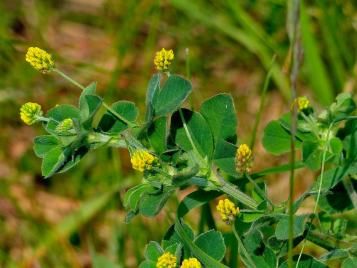
Similar in appearance to clover, black medick’s most distinctive feature is its black seed pods which form at the end of the season. As it prefers soils with low nutritional value, black medick generally doesn’t thrive on lawns that are well-maintained.
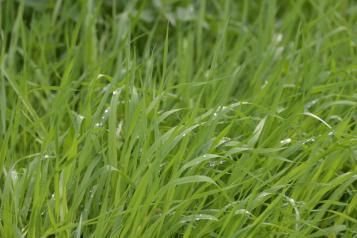
Couch grass grows fast: potentially up to one metre in height, with flat green leaves and yellow-green flowers. Its roots are thin and dense, and once established, can spread very quickly. When considering how to get rid of couch grass, thankfully its roots don’t go too deep, making it a relatively easy weed to manage and remove.
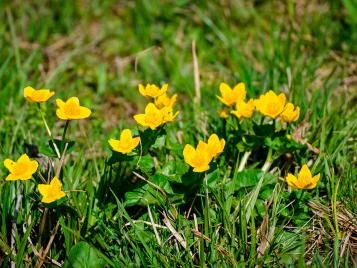
Creeping buttercups can reach as much as 50cm in height, with their five yellow petals lasting all the way through the summer and into autumn if conditions allow (especially wet soils). As the name suggests, this lawn weed sends out creeping runners along the ground, but improving your drainage should help prevent this perennial weed from thriving.

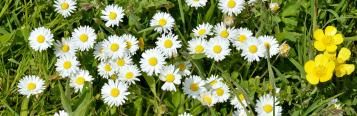
Daisies are perhaps the most instantly recognisable lawn weeds in the UK, in no small part because they can grow in almost any conditions, and are therefore very common. The rounded leaves form small rosette shapes, and the flowers are easy to spot with their bright white petals and a yellow centre.

The dandelion’s single yellow flower will create a ball of seeds, which will spread all over your garden with the slightest gust of wind. The long tap root makes it difficult to dig out without breaking the roots, from which several new weeds can grow. Proactive management when dandelions are actively growing is vital, as they can be tough, and slow to react to lawn weedkiller.
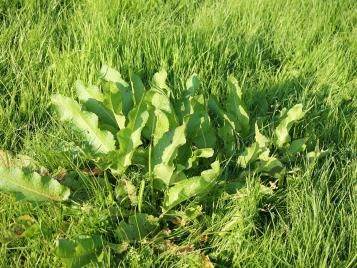
Identified by its large broad leaves, and with very long tap roots, docks are usually found in poorly-kept lawns. This is because only the top 15cm of the root can regrow into new plants, which means regular mowing is especially effective at killing them off. However, like most weeds, they can adapt to suit their surroundings and are known to grow low down in some lawns.
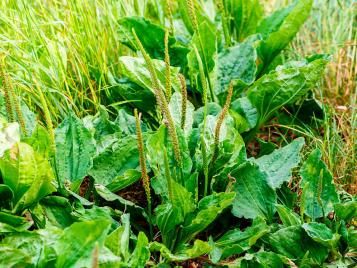
This perennial weed grows quite low, with green oval leaves and spikes of small flowers on long vertical stems. Highly drought tolerant and able to survive in most soil types and compacted ground, this lawn weed can kill off the grass beneath it. However, it is easy to control: the fibrous roots easily dig up and the large broad leaves make it ideal to absorb selective weedkillers.
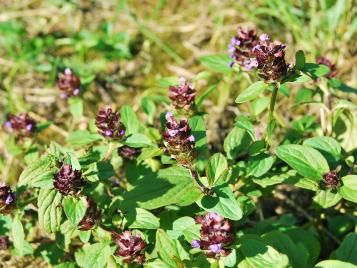
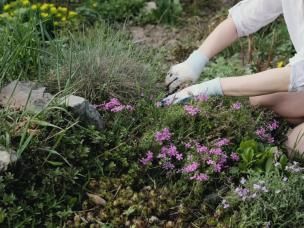
Selfheal is used in some countries for treating minor injuries, and can even be consumed in a salad or as part of a herbal team. But on lawns, its benefits aren’t quite so positive: easily spotted with its upright purple flowers, this member of the mint family spreads by sending out creeping runners. Low mowing is not an issue for this pretty lawn weed, so digging out or using a selective lawn weedkiller is more effective.
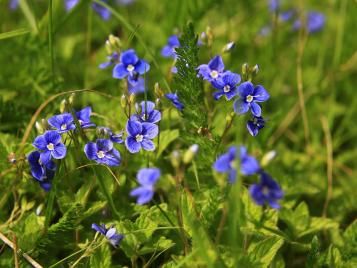
Speedwells are low-growing, creeping lawn weeds that bloom with delicate blue flowers. But don’t be fooled: this weed is hardier than its flowers suggest. Tending to prefer closely mown grass, cutting your lawn a bit higher may help your grass out-compete and control this perennial weed.
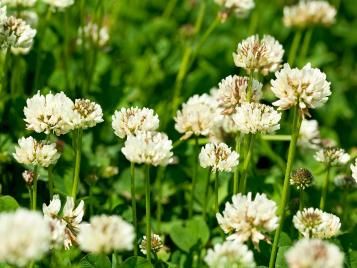
This is probably the most common of all lawn weeds, easily recognised by the shape of its three leaflets and the thin white line curving around the base of each leaf. Sending out creeping runners helps this weed spread, and it will very quickly out-compete the lawn grass for space. The white flowers are very popular to bees, so try and control these weeds before they flower. Take care if you use a selective weedkiller, and always spray when the bees are inactive.
Several of the weeds mentioned above are relatively easy to remove from your lawns, without having to resort to more heavy-duty methods like lawn weedkiller. Your first course of action should therefore be to look for the ‘quick wins’: types of weeds that can be removed quickly, simply and manually:
Weed inspection should become a key part of your regular lawn management and maintenance routine. The earlier you spot a weed and address it, the easier it will be to remove it and prevent any spread. Once you’ve spotted it, make sure you’ve definitively identified which type it is, either using the information above, or this more detailed guide to identifying lawn and garden weeds.
If the weed is of the type that can be removed manually, pull it out gently (ensuring to bring as much of the root as possible with the plant), or use a hand fork to help dig it out. If you leave any bare patches of turf as a result, then you can lay replacement turf or reseed in the next autumn or spring.
Any larger areas with substantial weed presence (especially speedwells and creeping buttercups) should be raked over and then mowed, so that any low stems are removed by the mower. Resist the temptation to mow at a very low cutting height: if the lawn is too short or bare, weeds have a better chance of getting established as there is less grass to compete with.
Healthier lawns make things more difficult for weeds that want to grow and thrive, so keeping your lawn well-managed can act as a good long-term protective measure (and keep your lawn looking its best at the same time).
It’s best to use weedkiller during late spring and summer, when the grass and weeds are actively growing. For maximum effectiveness, apply on a warm, dry day to moist soil: if necessary, water the lawn a day or two before treatment to activate growth and get the sap flowing. Waiting for dry conditions allows the weedkiller to remain on the leaf without being dissolved by rainwater.
Do not mow the lawn for at least three days before treatment. In this time, a good leaf cover should develop, which provides a greater surface area for the weedkiller to work on.
Don’t mow the grass for at least three days after treatment, so that there’s sufficient time for the active weedkiller ingredients to move down to the roots. Over the next few weeks, the weeds will twist and turn and gradually die off. Don’t worry if you see a sudden burst of upward leaf growth immediately after treatment: this is quite normal and indicates the weedkiller is working.
Some do, and some don’t. Summer annual weeds will grow and thrive through one summer season and then die off as the winter frosts set in. But many other types of weeds can survive British winter conditions. These include perennial weeds like clover and dandelions, whose roots systems can survive underground all year round; biennial weeds like thistles that build up their roots before flourishing in the second summer; and winter annuals like chickweed that prefer the cooler temperatures.
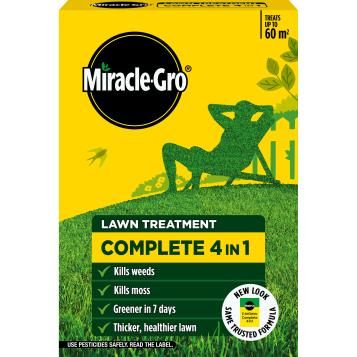
Non-selective weedkillers, including many general purpose weedkillers, should be avoided as they will kill off the grass as well as the weeds. Don’t use any products that contain glyphosate. Instead, products such as Miracle-Gro Complete 4 in 1 will help kill off weeds, and instead of damaging your lawn, will help it to thrive in the long term.