How to get rid of nutgrass
How to get rid of nutgrass
Spotted a patch of bright green growth sitting taller than the rest of your lawn? You may be dealing with nutgrass, a fast-spreading sedge with underground tubers that make it difficult to control. Left unchecked, nutgrass weed can outcompete your turf for food, water, and sunlight. The good news is that with the right approach, nutgrass is manageable. Here's how to identify, prevent, and get rid of it.
What is nutgrass?
Nutgrass, also known as nutsedge, is a perennial weed belonging to the sedge family (other sedge weeds include Mullumbimby couch). Despite its name, nutgrass is not a true grass. It is a sedge that can look similar to lawn grass at first glance.
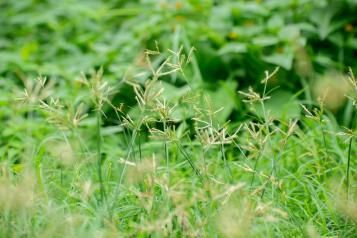
Nutgrass is easy to spot on your lawn, as it's usually a few shades lighter than your turf and grows taller than the surrounding grass. It reaches around 20 to 50cm tall and produces glossy, lime-green leaves, with a prominent red vein running down the underside from base to tip.
Its brown to purplish-brown flower heads are arranged in flattened spikelets. But the easiest way to identify nutgrass is by its nut-shaped tubers, which grow underground along a network of creeping stems (rhizomes). These tubers store energy and can produce new growth if they remain in the soil.
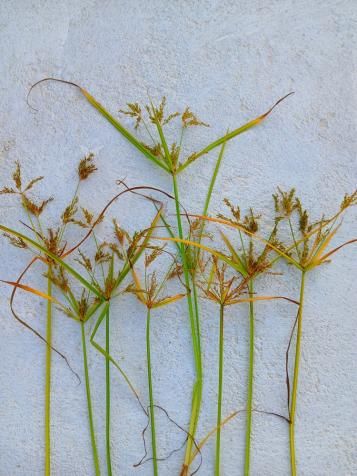
Nutgrass tolerates a wide range of conditions, which means it can persist year-round, although it’s most active from spring, with flowering most common in summer.
Why is nutgrass a problem?
The main issue with nutsedge weed is that it spreads fast and can compete with lawn grass and other plants for water, nutrients and light. Not only does this leave you with an unhealthy lawn, but it can also lead to unsightly patches and thinning areas.
Given the right conditions, nutgrass will easily outpace your turf. Even with regular mowing, it grows faster and taller than lawn grass, shooting up above the rest of your lawn and spoiling the look of a well-manicured yard.
It’s also notoriously difficult to control due to its network of underground tubers. If not done carefully, pulling by hand can leave tubers behind to regenerate. These tubers can stay dormant for years before suddenly sprouting again when you least expect it.
Why is nutgrass growing in your yard?
The presence of nutgrass can be a useful indicator of your lawn's overall health. It's an opportunistic weed that takes advantage of weak turf, and tends to thrive in lawns that are already struggling, particularly those with thinning grass or bare patches.
Nutgrass also favours warm weather and fertile soils with moderate moisture, particularly in low-lying areas where water accumulates. Compacted soil is especially common in areas with heavy foot traffic.
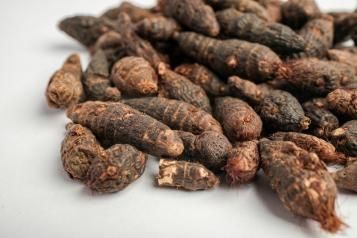
It’s also worth knowing that nutgrass can lie dormant in your soil for years before reappearing, either because the soil has been disturbed or nutrients and water have finally reached its underground bulbs.
How to prevent nutgrass
A healthy lawn is your best defence against weeds like nutgrass. Here’s how to keep your turf in top condition:
1. Feed your lawn with a high-quality fertiliser
Regular feeding, together with suitable mowing and watering, helps maintain a dense lawn that leaves less space for weeds to establish. Use a granular feed such as Scotts Lawn Builder™ All Lawn Types Lawn Food or a liquid product, such as Scotts Lawn Builder™ 3in1 Weed, Feed & Green Up Liquid Lawn Fertiliser. Fertiliser is your key to a lush lawn that naturally resists weeds.
2. Minimise bare patches of lawn
Nutgrass is an opportunistic weed that’ll take advantage of thin or patchy lawn. Use a product like Scotts Lawn Builder™ Lawn Thickener Lawn Seed to encourage a thick, healthy lawn that can outcompete invading weeds.
3. Mow regularly
Regular mowing at the right height encourages dense, even growth and helps maintain a healthy lawn. Depending on the season and weather conditions, mow weekly to fortnightly (mow less in winter).
4. Aerate your soil
Nutgrass likes compacted, poorly drained soils. Aerate your soil to alleviate compaction and improve drainage. Aeration also helps water and nutrients reach your turf grass’s roots. To do this, simply use a garden fork or aerator to poke holes into the lawn surface.
5. Use a wetting agent
If your lawn has poor water penetration, you can use a wetting agent to help it absorb water more efficiently, instead of pooling on the top of the surface. A wetting agent like Scotts Lawn Builder + Wetting Agent helps your lawn absorb moisture, and as a bonus, also includes fertiliser to give your lawn an extra boost of nutrients.
How to get rid of nutgrass
While the best defence is a thick, healthy lawn, if you've already found nutgrass in your lawn, you’ll need to act fast before it starts to spread.
1. Hand weed
Lift the plant carefully and remove as much of the underground rhizome and tuber system as possible.
Once you’ve dug out the individual weeds, top dress your lawn to even out the surface, then reseed. Use Scotts Lawn Builder Top Dress 25L, followed by Scotts Lawn Builder™ Seed & Feed Sun & Shade Lawn Seed or Scotts Lawn Builder™ Lawn Thickener Lawn Seed.
2. Use a weed killer
Many broadleaf weed killers will not control nutgrass because it is a sedge, not a broadleaf weed. Choose only a product whose label specifically lists nutgrass or sedges and confirms suitability for your lawn type.
FAQs
What kills nutgrass in Australia?
For a small patch, carefully dig around the plant and remove as much of the rhizome and tuber system as possible. For larger infestations, use only a selective nutsedge weed killer labelled for nutgrass and your lawn type. Most commercial products are designed to target broadleaf weeds, and nutgrass isn't one.
How does nutgrass spread?
Nutgrass spreads through underground rhizomes that form tubers, with each surviving tuber capable of producing new growth. This allows a single infestation to expand quickly if left unmanaged.
Why did nutgrass come back after I got rid of it?
Nutgrass bulbs can lie dormant underground for years. Disturbing the soil, or adding extra nutrients or water to the soil can cause the plants to resprout.