Październik w ogrodzie – Twój miesięczny przewodnik
Jesień w pełni – liście mienią się kolorami, dni stają się krótsze, a w powietrzu czuć chłód zbliżającej się zimy. To jednak nie oznacza końca sezonu! Wręcz przeciwnie – ogrodnictwo w październiku jest intensywne i niezwykle ważne. To miesiąc porządków, zabezpieczania roślin, a także czas sadzenia cebulek, drzew owocowych i krzewów, które zakwitną i zaowocują w kolejnym roku.
Październik to także okres zbiorów wielu warzyw i owoców. Dobrze zaplanowane prace teraz sprawią, że ogród łatwiej przetrwa zimę, a wiosną będzie zdrowy i pełen życia.
Co sadzić w październiku i inne wskazówki ogrodnicze
Chociaż dni są krótsze, a noce coraz chłodniejsze, wciąż można wykonać wiele prac w ogrodzie. W październiku sadzimy drzewa owocowe, cebulki roślin ozdobnych, a także przygotowujemy trawnik do zimowego spoczynku. To także ostatni moment, aby zebrać plony, zabezpieczyć byliny i zadbać o glebę poprzez kompostowanie i nawożenie organiczne.
Kiedy myślimy o październiku w warzywniku i sadzie, w naszej głowie pojawiają się głównie obrazy obfitych zbiorów i olbrzymich, jaskrawo kolorowych dyń. Możesz być zaskoczony, ale jeśli chodzi o sadzenie nowych upraw, w październiku wciąż nie brakuje opcji. Zatem, niezależnie od tego, czy chodzi o posadzenie nasion odpornych na zimę, czy nowych drzewek owocowych, zakasaj rękawy – czeka Cię pracowity miesiąc w ogrodzie.
Warzywa
Prawdopodobnie masz już zaplanowane, co zbierać w tym miesiącu, ale jeśli chodzi o to, jakie warzywa sadzić w październiku, jest kilka warzyw cebulowych (cebula, czosnek), które warto posadzić do gruntu, a także groszek i fasola. Nie zaniedbuj też pielęgnacji swojego warzywnika; wciąż są niezbędne prace do wykonania, aby Twoje warzywa przetrwały zimę.
Co sadzić w październiku
W polskim klimacie ogrodnictwo w październiku to wciąż szansa na rozpoczęcie upraw, które przetrwają zimę i dadzą plony już wczesną wiosną. Najlepsze do sadzenia o tej porze roku są:
- czosnek ozimy – sadzi się go w glebie lekkiej i przepuszczalnej, na stanowisku słonecznym. Ząbki umieszcza się na głębokości około 6–8 cm, w rozstawie 15 cm. Jesienne sadzenie sprawia, że czosnek szybciej rusza wiosną i daje obfitsze plony.
- cebula ozima – wymaga dobrze odchwaszczonego stanowiska. Jej największą zaletą jest to, że wiosną pojawia się dużo wcześniej niż tradycyjnie sadzona cebula dymka.
- szpinak zimowy – dobrze znosi przymrozki, a nawet lekką pokrywę śnieżną. Najlepiej wysiewać go w rzędy co 20–25 cm, aby mógł swobodnie się rozwijać.
- roszponka – jedna z najbardziej odpornych na chłód sałat. Siana w październiku kiełkuje szybko, a jej rozetki można zbierać już wczesną wiosną.
Dodatkowo w cieplejszych regionach Polski lub pod osłonami można spróbować wysiewu rukoli czy koperku, które przy łagodnej jesieni zdążą wykiełkować przed nadejściem zimy.
Na parapecie warto prowadzić wysiew rzeżuchy, sałaty listkowej i kiełków (np. brokułu, soczewicy, fasoli mung), które urozmaicą zimową dietę.


Uprawa warzyw w październiku
Jesienne warzywa wymagają odpowiedniego przygotowania stanowiska:
- Gleba – najlepiej wzbogacona kompostem lub obornikiem, co poprawi jej strukturę i żyzność.
- Ściółkowanie – warzywa zimujące w gruncie warto okryć słomą, liśćmi lub agrowłókniną zimową. Dzięki temu korzenie nie przemarzają, a gleba dłużej zachowuje wilgoć.
- Ochrona przed chorobami – resztki roślin po zbiorach należy usunąć, a zdrowe części przeznaczyć na kompost. To zmniejsza ryzyko pojawienia się patogenów w kolejnym sezonie.
Zbiory warzyw w październiku
To intensywny czas zbiorów. Warto pamiętać o kilku wskazówkach:
- Warzywa korzeniowe (marchew, buraki, pietruszka, seler) należy zebrać przed nadejściem silnych mrozów. Najlepiej wykopywać je w suchy dzień i przechowywać w piwnicy w skrzynkach z wilgotnym piaskiem lub torfem.
- Dynia – zbieramy ją przed pierwszymi przymrozkami. Do przechowywania nadają się tylko zdrowe, twarde egzemplarze z ogonkiem. Dynia dobrze trzyma się w suchym i chłodnym miejscu nawet kilka miesięcy.
- Kapustne – brukselka i jarmuż najlepiej smakują po pierwszych przymrozkach, ponieważ niska temperatura poprawia ich walory smakowe.
- Por – można pozostawić w gruncie i wykopywać na bieżąco przez całą zimę, pod warunkiem że nie zamarznie gleba.
Dodatkowo październik to dobry moment na zbiór fasoli szparagowej i cukinii, jeśli nie zostały zebrane wcześniej, oraz na zabezpieczenie resztek plonów przed gniciem.
Owoce
Październik to pracowity czas w ogrodzie, jeśli chodzi o warzywa, ale jakie owoce można sadzić w październiku? Odpowiedzią są zazwyczaj drzewka owocowe z odkrytym korzeniem, a także niezawodne truskawki. W tym miesiącu jest też mnóstwo rzeczy do zebrania, więc upewnij się, że masz pod ręką przepisy na owocowe desery.
Co sadzić w październiku
Październik to idealny moment, by sadzić drzewa i krzewy owocowe z odkrytym korzeniem. Gleba w Polsce jest jeszcze stosunkowo ciepła, co pozwala roślinom ukorzenić się przed zimą. Najlepiej wybierać gatunki i odmiany odporne na mróz, dostosowane do lokalnych warunków:
- Jabłonie – popularne odmiany w Polsce to Szampion, Ligol, Jonagold, Idared. Sadzone jesienią startują wiosną z silnym systemem korzeniowym.
- Grusze – najczęściej wybierane to Konferencja, Lukasówka i Faworytka. Wymagają stanowiska słonecznego i gleby żyznej.
- Śliwy – szczególnie cenione są odmiany Węgierka Zwykła i Stanley. Doskonałe zarówno do jedzenia na świeżo, jak i do przetworów.
- Wiśnie i czereśnie – warto wybierać odmiany odporne na mróz, np. Łutówka.
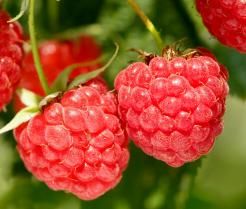
- Krzewy owocowe – porzeczki czarne i czerwone, agrest oraz maliny jesienne dobrze się przyjmują, jeśli posadzimy je jesienią.
Przed sadzeniem należy wykopać dołki dwukrotnie większe od bryły korzeniowej, a glebę wzbogacić kompostem. Rośliny posadzone w październiku wymagają dokładnego podlania i ściółkowania podstawy.

Uprawa owoców w październiku
Choć październik nie jest miesiącem intensywnej pielęgnacji owoców, to kluczowe są przygotowania do zimy:
- Zabezpieczenie młodych drzew – pnie warto owinąć agrowłókniną lub matą słomianą, co chroni je przed mrozem i zającami.
- Ściółkowanie – wokół podstawy drzew i krzewów rozkładamy warstwę kompostu, liści lub kory sosnowej, aby ograniczyć utratę wilgoci i ciepła.
- Bielenie pni – w drugiej połowie października można rozpocząć bielenie wapnem, które chroni korę przed pękaniem spowodowanym zimowymi wahaniami temperatury.
- Cięcie sanitarne – usuń chore, uszkodzone lub suche gałęzie, aby ograniczyć ryzyko infekcji.

Zbiory owoców w październiku
Październik to również czas zbiorów wielu owoców:
- Jabłka późnych odmian – np. Ligol, Jonagold, Szampion. Zbieraj je w suchy dzień, unikając uszkodzeń skórki.
- Gruszki zimowe – zrywamy je twarde, aby mogły dojrzewać w przechowalni.
- Winogrona – późne odmiany nadają się do zbioru, zwłaszcza w cieplejszych regionach Polski.
- Orzechy laskowe i włoskie – październik to ostatni moment na zebranie ich przed nadejściem wilgotnej pogody.
Przechowywanie owoców:
- Jabłka i gruszki najlepiej przechowywać w skrzynkach w chłodnej piwnicy (2–6°C), w suchym i przewiewnym miejscu.
- Winogrona można przechowywać krótko – nadają się przede wszystkim do spożycia świeżego lub na przetwory.
- Orzechy warto wysuszyć przed magazynowaniem, aby nie spleśniały.
Kwiaty i cebulki
Jakie kwiaty i cebulki sadzić w październiku?
Październik to ostatnia okazja, by posadzić cebulki kwiatowe, które zakwitną wiosną. W polskich ogrodach najlepiej sprawdzają się:
- tulipany – sadzone w drugiej połowie miesiąca, aby uniknąć przedwczesnego kiełkowania,
- narcyzy – odporne na mróz, idealne do nasadzeń grupowych,
- krokusy i szafirki, które tworzą kolorowe dywany wczesną wiosną,
- czosnki ozdobne, dodające nowoczesnego charakteru rabatom,
- śnieżniki i przebiśniegi – kwitnące często już w marcu.



Uprawa i pielęgnacja kwiatów w październiku
- Sadź cebulki na głębokości równej 2–3 wysokości cebuli.
- W glebach ciężkich na dno dołka wysyp warstwę piasku, co poprawi drenaż.
- Zadbaj o stanowisko słoneczne lub lekko ocienione, w zależności od gatunku.
- Po posadzeniu przykryj rabaty warstwą liści lub kory – dodatkowo ochroni to cebulki przed mrozem.

Krzewy i byliny
Jeśli zadajesz sobie pytanie „czy mogę sadzić drzewa w październiku?”, to mam świetną wiadomość: nie tylko październik jest idealnym czasem na sadzenie drzew, krzewów i różnych innych roślin, ale jest to również dobry moment na przesadzanie wyżej wymienionych. Przy okazji pamiętaj, aby sprawdzić stabilność wszelkich podpór, aby mieć pewność, że przetrwają bardziej wietrzne miesiące zimowe.
Jakie krzewy sadzić w październiku?
W Polsce październik to idealny moment, by posadzić krzewy liściaste i iglaste. Warto sięgnąć po gatunki odporne na mróz:
- tawuły – kwitnące na biało lub różowo, doskonałe do nasadzeń w grupach,
- berberysy – atrakcyjne liście i czerwone owoce,
- hortensje bukietowe – odporne i efektowne w każdym ogrodzie,
- dereń biały – ozdobny zimą dzięki czerwonym pędom,
- iglaki – sosny, świerki, jałowce i cisy – zimozielone i łatwe w pielęgnacji.
Październik to dobry miesiąc na sadzenie drzew i krzewów, jeśli chcesz dodać do swojego ogrodu świeżych zapachów i zimowych kolorów. Nie zapomnij po posadzeniu dodać grubej warstwy ściółki (takiej jak zrębki drewna lub kora) do gleby. Pomoże to zatrzymać wilgoć i powstrzymać wzrost chwastów. Poniższe pozycje są dobrymi opcjami na zimową ekspozycję.
- Oczar
- Dereń świdwa
- Sarkokoka
- Kalina wawrzynowata
- Kalina wonna 'Bodnantense'

Jak posadzić drzewo
Idealne warunki do sadzenia będą się różnić w zależności od gatunku, więc warto sprawdzić nasze poradniki w poszukiwaniu szczegółowych zaleceń, ale poniżej znajdziesz ogólne porady dotyczące sadzenia drzew w październiku. Zanim w ogóle przystąpisz do wsadzania drzewa do ziemi, upewnij się, że dobrze je podlejesz w doniczce. Podczas gdy twoje drzewo nasiąka wilgocią, wykop kwadratowy dół o tej samej głębokości co doniczka i trzykrotnie większej szerokości – korzenie będą się lepiej rozprzestrzeniać w kwadratowym dole niż w okrągłym. Gdy jesteś zadowolony z rozmiaru dołu, wyjmij drzewo z doniczki i umieść je w dole, zasypując z powrotem ziemią. Delikatnie ugruntuj ziemię wokół podstawy pnia piętą buta i dobrze ją podlej. Wysokie drzewa można po posadzeniu podeprzeć palikami, aby zapobiec ich kołysaniu się na wietrze, a tym samym poluzowaniu korzeni.
{"preview_thumbnail":"/sites/default/files/styles/video_embed_wysiwyg_preview/public/video_thumbnails/5W9jE3RS_0M.jpg?itok=Ev2VXvBa","video_url":"https://www.youtube.com/watch?v=5W9jE3RS_0M&t=3s","settings":{"responsive":1,"width":"854","height":"480","autoplay":0},"settings_summary":["Embedded Video (Responsive)."]}
Uprawa roślin i krzewów w październiku
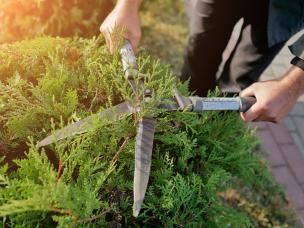
Większość przycinania najlepiej zostawić na późniejszą zimę lub wczesną wiosnę, ale żywopłoty cisowe można przyciąć już w październiku, aby wyglądały elegancko przez całą zimę.
Jeśli masz rośliny i drzewa, które chcesz przesadzić, październik jest na to dobrą okazją – postępuj zgodnie z powyższymi zaleceniami dotyczącymi sadzenia drzew i pamiętaj o ich obfitym podlaniu zarówno przed, jak i po przeniesieniu. Jeśli dodajesz jakieś paliki dla wsparcia wzrostu, sprawdź też, czy wszystkie paliki przy już posadzonych drzewach są nadal stabilne.
W innych częściach ogrodu powinieneś pobrać sadzonki zdrewniałe z różnych krzewów, takich jak derenie, jaśminowce (philadelphus), porzeczki ozdobne i forsycje.

What to plant this month
Jako jedna z ostatnich okazji, aby zadbać o trawnik przed nadejściem zimy, pielęgnacja trawnika w październiku powinna obejmować prawdopodobnie wertykulację i aerację oraz naprawę ubytków w trawie. Po lecie częstego koszenia możesz zmniejszyć częstotliwość strzyżenia trawy, jeśli nie zrobiłeś tego już we wrześniu.
Pielęgnacja trawnika w październiku
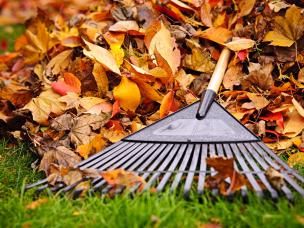
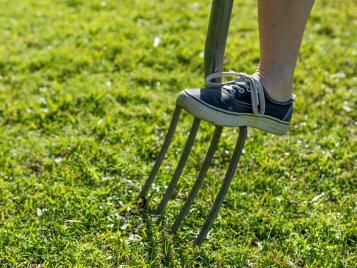
Pielęgnacja trawnika w październiku ma kluczowe znaczenie dla przygotowania go na miesiące zimowe, szczególnie w chłodniejszych rejonach kraju, gdzie może to być ostatnia okazja do skoszenia trawy przed nadejściem zimy. Wertykulacja, aeracja zaowocują mocną, zdrową darnią z mniejszą liczbą chwastów w przyszłym roku. Wertykulacja trawnika jest szczególnie ważna, ponieważ pomaga pozbyć się mchu i martwej trawy. Można to zrobić, energicznie grabiąc go grabiami sprężynowymi, albo użyć mechanicznego wertykulatora. Aeracja trawnika poprawia drenaż, więc wykorzystaj okazję, aby to zrobić, skoro już masz pod ręką narzędzia ogrodowe. Można to wykonać ręcznie, nakłuwając otwory widłami ogrodowymi, ale jeśli masz większy trawnik, warto rozważyć użycie mechanicznego aeratora.
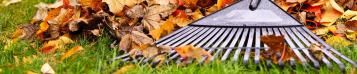
Jeśli chodzi o koszenie trawy, używaj wyższego ustawienia ostrza i zmniejsz częstotliwość przycinania, kosząc tylko sporadycznie, aby utrzymać schludny wygląd. Na koniec, upewnij się, że na bieżąco usuwasz opadłe liście, regularnie je grabiąc, aby światło słoneczne mogło nadal docierać do trawy. Jeśli masz miejsce, możesz włożyć liście do worków i zostawić na rok, dając im czas na rozkład do ziemi liściowej, której możesz użyć do kondycjonowania gleby.

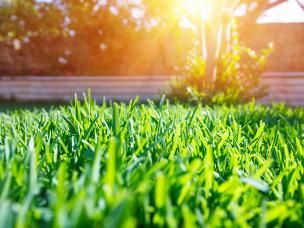
Zabiegi pielęgnacyjne trawnika w październiku
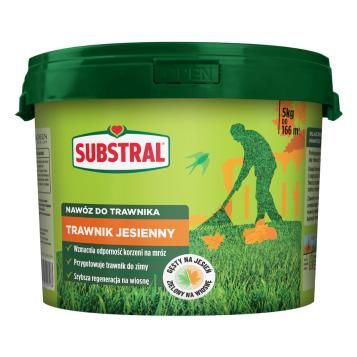
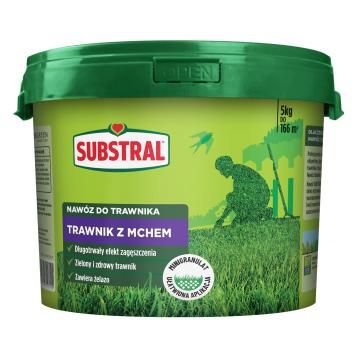
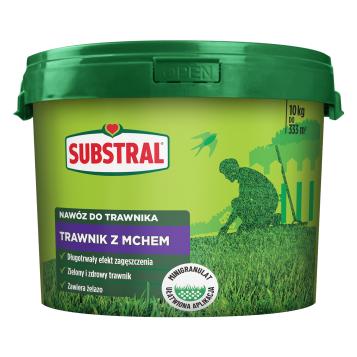
Jeśli mamy wyjątkowo łagodną jesień – może to być Twoja ostatnia szansa, aby poszukać na trawniku śladów żółtych lub łysych plam, które mogły powstać na skutek zużycia latem. Rozważ naprawienie tych ubytków za pomocą szybko rosnących nasion trawy. Na koniec zastosuj na trawniku jesienny nawóz. Jesienne nawozy do trawników są specjalnie opracowane tak, aby miały niską zawartość azotu, dzięki czemu nie pobudzają gwałtownego, bujnego wzrostu, który zostałby uszkodzony przez zimowe przymrozki. Niektóre z nich zawierają również środek do zwalczania mchu, który ma tendencję do intensywnego rozwoju o tej porze roku.