
Types of weeds
If you’re wondering whether a plant in your garden is a friend or foe, we’re here to help! Our guide to the different types of weeds will help you identify common weeds and how to control them.
What is a weed?
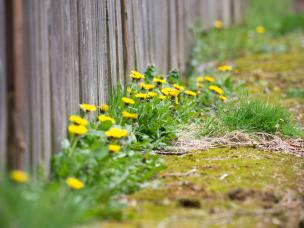
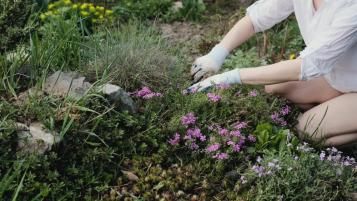
How do we define a weed? The most common explanation is that it’s a plant in the wrong place. Depending on your point of view and your garden style, some plants can be classified as charming wildflowers or as annoying weeds. However, there are several plants that most gardeners agree are weeds.
Do weeds have any benefits?
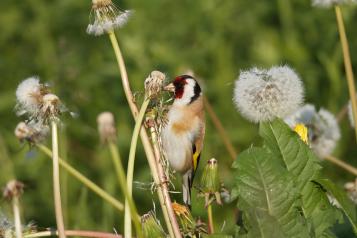
Yes, some weeds can have benefits! Provided they can be kept under control, many of the plants we call weeds are good for garden wildlife. Ragwort provides food for colourful cinnabar moths. Dandelions are fantastic nectar sources for bees and goldfinches love to snack on their fluffy seedheads. Even docks are a useful winter food for small birds like house sparrows. If you have an area of the garden that you can leave un-weeded, your garden wildlife will thank you for it!
However, weeds can spread fast, so any wild areas need to be monitored to make sure they aren’t taking over the rest of your garden. Some pernicious weeds such as bindweed, creeping thistle and horsetail spread vigorously and are difficult to get rid of once established, so they are best dealt with as soon as you see them.
Annual, biennial and perennial weeds
Weeds are divided into three categories: annual, biennial and perennial weeds. Annual weeds germinate, grow, flower and set seed all in one year, and they die after setting seed. Some fast-growing annual weeds can produce several generations of weed within one year, which is why it’s so important to keep on top of them and not let them go to seed if possible.
Perennial weeds live for several years, dying back in winter and reappearing in spring. Many can spread via underground runners or extensive root systems as well as through seed.
In between these two types is biennial weeds, which have a lifespan of two years. They grow and take root in the first year, survive the intervening winter, and then set seed in the second year.
Broadleaved and grass weeds
Lawn weeds can be divided into broadleaved weeds and grass weeds, with different weedkillers developed to target the different types of weed. As the name suggests, grass weeds look like grass, with long narrow leaves. They are considered weeds mainly because they don’t produce a nice smooth lawn in the same way as lawn grass does, instead growing in vigorous clumps and spreading to take over areas where lawn grass struggles to grow. Some are annual, dying off in winter to leave bare areas in the lawn. Examples of grass weeds are Poa annua (annual meadow grass), couch grass, and Yorkshire fog.
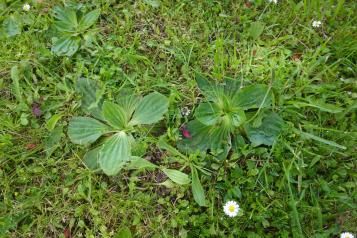
Broadleaved lawn weeds (sometimes called broadleaf weeds) have larger leaves with branching veins. Plantains, dandelions, lawn daises and docks are all examples of broadleaf weeds.
Lawn weedkillers are designed specifically to target broadleaved weeds while leaving the grass unharmed. This unfortunately means that they don’t target grassy weeds like couch grass. Pre-emergent weed killers will stop grass weed seed germinating but won’t get rid of established weeds. The best solution for grassy weeds in your lawn is a combination of hand weeding and good lawn maintenance, as keeping the grass healthy makes it harder for weeds to get established.
Volunteer weeds
Volunteer weeds are not strictly weeds at all. This is an agricultural term referring to crops from the previous year that have self-seeded and are competing with the new crop. Examples of this are potato tubers left in the ground after harvesting, tomato seedlings growing from dropped seed, or cereals such as barley and wheat that drop seed while growing or when being harvested. This can be a problem in commercial farming, but in a garden, you can choose to take them out if they’re in the wrong place or let them grow and enjoy the free harvest!
How weeds spread
Weeds can spread either by seed or through underground runners, and it’s useful to know which method they use, as this affects how you deal with them.
Weeds spreading by seed
Annual weeds generally spread through seed, so wherever possible, either deadhead them or dig them up before they have a chance to set seed. Some perennial weeds, for example docks and dandelions, also spread through seed. Flowering weeds can still set seed for at least a day or two after being dug up, so put them straight on a compost heap or in your green waste bin.
Weeds spreading via roots
Many perennial weeds spread via their roots or through underground runners that pop up a short distance from the plant and develop into a new plant. Creeping buttercup, creeping thistle and cinquefoil spread in this way.
Some perennial weeds also have the ability to grow back from even a portion of the root left in the ground, which is why it’s so important to get the whole root out when you dig up a perennial weed. Bindweed and ground elder are particularly pernicious weeds notorious for being able to grow back from a tiny scrap of root left in the soil.
Common UK weeds
Here’s a list of common weeds that you might see in your garden and how to deal with them. You can also find information on different types of weeds on our Pest, Disease and Weed Identifier page.
Chickweed
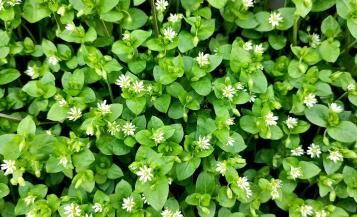
Appearance: A low-growing annual weed with small oval leaves on long thin stems, and small white starry flowers.
Control: Chickweed spreads by seed. It’s easy to pull up by hand and can also be controlled by hoeing.
Stinging nettle
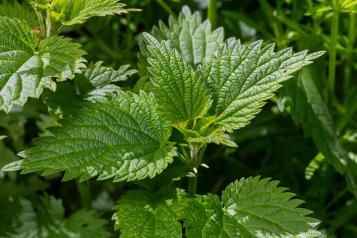
Appearance: A perennial weed with upright stems bearing serrated leaves covered in fine hairs that sting when touched. Green catkin-like flowers produce masses of seed.
Control: Nettles spread by seed, by rooting horizontal stems and by underground rhizomes. To get rid of nettles by hand, use a garden fork to dig up the whole plant including the roots. Alternatively, spray with a systemic weed killer when the plant is in full leaf.
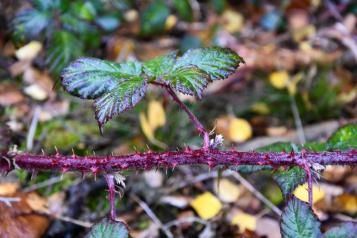
Bramble
Appearance: A perennial weed with arching thorny stems that root when they touch the ground, and clusters of white flowers that can develop into sweet blackberries.
Control: Brambles spread by seed (through animals eating the fruits) and via rooting stems. The plant can also regrow from any root segments left in the ground. To get rid of brambles, dig up the whole plant, including all roots, or spray with systemic weedkiller.
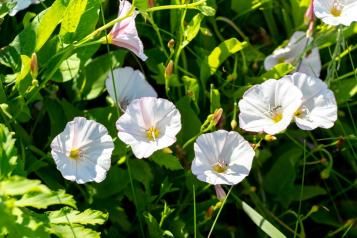
Bindweed
Appearance: A perennial weed with twining stems bearing heart-shaped leaves and white or pale pink funnel-shaped flowers. Hedge bindweed stems can grow up to 3m long, while field bindweed stems usually reach around 1m long.
Control: Bindweed spreads through extensive underground root systems. The roots break easily and plants will regrow from any small portions left in the soil. Small patches of bindweed can be controlled by regularly digging up any stems that appear, together with their roots. To control large areas of bindweed, cover the area with weed membrane for at least 2 years, or spray with a systemic weedkiller.
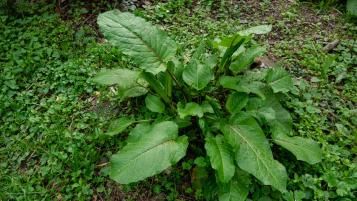
Dock
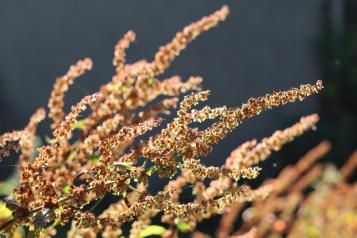
Appearance: A perennial weed with large oval leaves and upright green flowerstems that develop into rusty brown seedheads. Its tap roots can reach up to 1.2m deep, and it can regrow from portions of the root left in the ground.
Control: Docks spread by seed, so cut back established docks when in flower to prevent them setting seed. Young seedlings can be dug up by hand. Use a garden fork to dig up established dock roots, or spray the plant with a systemic weedkiller when in full leaf.
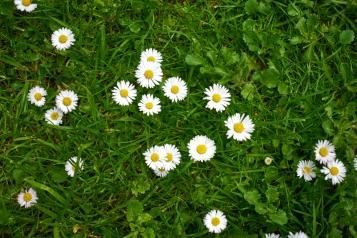
Daisy
Appearance: In lawns, daisies are a perennial weed forming a low rosette of oval leaves and short stems bearing the well-known white daisy flowers with yellow centres. Flowers appear from spring to autumn.
Control: Daisies spread by seed and via short underground runners. In lawns, dig up individual daisies using a daisy grubber or a knife to lever out the root and underground stems. Alternatively, use a selective weedkiller like Miracle-Gro Complete 4-in-1.
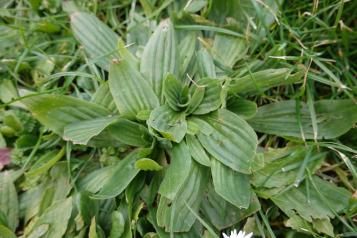
Plantain
Appearance: Plantains are perennial weeds with either rounded or narrow leaves, depending on the species, and slender stems bearing rounded or cone-shaped greenish flowerheads that mature into brown seedheads.
Control: Plantains spread by seed. Regular mowing will remove the flowerheads and prevent self-seeding, but won’t get rid of the plants themselves as the leaves are too low-growing to be cut by the mower blades. Plantains have shallow roots, so it’s reasonably easy to dig up individual plants using a knife or daisy grubber. For large areas of plantain, use a selective weedkiller.
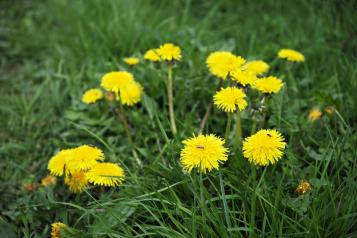
Dandelion
Appearance: A perennial weed forming a low-growing rosette of long serrated leaves and upright stems bearing yellow daisy-like flowers that turn into puffball seedheads.
Control: Dandelions spread by wind-dispersed seeds. Dig up individual plants by hand using a knife or dandelion weeder to get the long tap root out. Alternatively, use a selective weedkiller.
The more you know about the weeds in your garden, the easier it is to keep them under control. Visit our Advice and Inspiration pages for more ways to tackle weeds and keep your garden looking great!