What could be better than a bowl of sweet, freshly-picked raspberries in summer? These delicious fruits are easy to grow in a sunny garden, and if you’re short on space you can even grow raspberries in a pot. Enjoy them fresh in summer and autumn, and freeze them for use in winter pies and tarts.
Varieties of raspberry
Raspberries (Rubus idaeus) are divided into summer-fruiting and autumn-fruiting types. Autumn-fruiting varieties are a good choice for novice gardeners, as they are less prone to raspberry beetle (a pest that eats the fruit) and are also easier to prune than summer-fruiting types. Here are some of the most popular varieties:
Summer-fruiting raspberries
- ‘Malling Promise’ – vigorous plant with abundant big sweet berries
- ‘Glen Moy’ – heavy crops on almost spine-free canes
- ‘Glen Ample’ – lots of big, succulent raspberries
- ‘Glen Fyne’ – one of the best varieties for flavour
Autumn-fruiting raspberries
- ‘Autumn Bliss’ – compact, ideal for containers
- ‘Autumn Treasure’ – large sweet fruit on spine-free canes
- ‘Fall Gold – Large yellow fruits with exceptional flavour
What are raspberry canes?
Raspberry canes are the long woody stems of the raspberry plant which grow from the ground in spring. They are called primocanes in their first year and floricanes in their second. Summer-fruiting raspberries only produce fruit on floricanes (second-year canes), while autumn-fruiting raspberries (also called primocane raspberries) produce fruit on primocanes (first-year canes).
What you’ll need to grow raspberries
- Secateurs
- Gloves
- Raspberry plants
For planting raspberries in the ground:
- Garden fork
- Garden spade
- Soil conditioner or well-rotted farmyard manure
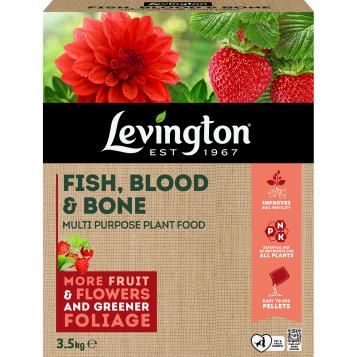
- Slow-release fertilizer e.g. fish blood and bone
For summer-fruiting raspberries:
- Wooden posts 2.4m (8ft) long
- Wire
For growing raspberries in containers:
- 60cm (2ft) diameter container
- Soil-based compost
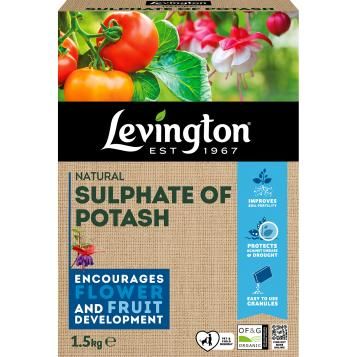
- High-potash feed
Can you grow raspberries in pots?
Yes, you can grow raspberries in pots provided you choose the right variety. Dwarf raspberries like Raspberry ‘Yummy’ or ‘Ruby Beauty’ are ideal for pots. You should get 2-3 years’ worth of good fruiting from a pot-grown raspberry, and they can then be planted out in the ground.
- Use a container 40-60cm in diameter.
- Fill the container with a soil-based compost such as John Innes No 3, and add horticultural grit to improve drainage.
- Space raspberry canes 20-30 apart.
- After planting your raspberry plants in the pot, use bamboo canes to make a wigwam support frame over the pot and tie the raspberry canes into this as they grow.
- Place the pot in a sunny, sheltered spot.
- Water regularly. Once the flowers and fruit start to appear, feed fortnightly with a high-potash feed such as Tomorite.
How to grow raspberries
Raspberries do best in a soil that is moist but well-drained and slightly acidic. If your soil is alkaline, you will have more success growing raspberries in pots rather than in the ground.
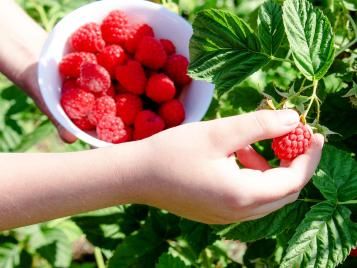
- Plant raspberry canes in autumn or winter in a sunny, sheltered spot, about 50cm (20in) apart, in rows spaced 1.5-2m (5-6ft) apart.
- Before planting, dig the soil over to clear it of weeds and stones, and dig in plenty of soil conditioner or well-rotted farmyard manure to improve the soil structure.
- Provide a support framework for summer-fruiting raspberries (autumn-fruiting raspberries are generally self-supporting), To make the support framework, knock sturdy 2.4m (8in) high posts into the ground at the end of each row and stretch 3 rows of heavy-gauge wires between the posts, spaced about 60cm (2ft) apart.
- Dig a trench 45cm (18in) wide and 20-25cm (8-10in) deep and cover the base with a good layer of organic matter, such as compost or well-rotted farmyard manure.
- Plant the canes, allowing 45cm (18in) between each cane. Add a handful of slow-release fertilizer such as fish, blood and bone when planting each cane.
- Backfill the trench with soil mixed with organic matter. Gently firm in around the roots and water in well.
- Cut the canes down to 25cm (10in) above ground level, to encourage them to produce plenty of fruit-bearing shoots.
Growing raspberries in pots
- Choose a large container, at least 60cm (2ft) in diameter.
- Fill the container with a soil-based compost such as John Innes no 3.
- Plant up to six raspberry canes per pot, spaced equally around the edge of the pot.
How to care for raspberries
Tie the canes of summer-fruiting raspberries to the wires with soft twine as they grow.
Water plants in dry periods, and water container-grown plants regularly to prevent the compost from drying out. Feed container-grown plants fortnightly with a high potash feed like Tomorite once the fruits start to develop.
Keep the plants clear of weeds. If using a hoe, take care not to damage the roots just below the surface of the soil.
Pruning raspberries
Summer-fruiting and autumn-fruiting raspberries are pruned differently, so check which variety you are working with before you start.
Pruning and training summer-fruiting raspberries
- Once the plants have finished fruiting, cut all the dark brown canes that produced the current year’s fruit down to ground level.
- Select the 6-7 strongest new canes that grew in the current year and tie these to a support framework. These will fruit in the following year.
- Cut back all other new canes to ground level.
- Dig up any suckering shoots. These can be planted up in pots and grown on to produce new plants if wanted.
Pruning and training autumn-fruiting raspberries
- In late winter, cut all last year’s canes (the old, fruited stems) down to ground level.
- As the new stems emerge in spring, tie them into a support framework. These canes will produce fruit in the current year.
- In early summer, thin out any overcrowded clumps by removing weak stems. The remaining stems should be approximately 10cm apart.
Common raspberry pests and diseases
Raspberry cane blight
Raspberry cane blight is one of the most serious raspberry diseases. It is a fungal disease that causes canes to die back, turning dark brown and breaking easily.
- Remove and destroy any affected stems, cutting back below soil level.
- Water plants regularly and mulch to reduce drought stress, which can make plants more prone to infection.
Raspberry beetle
Raspberry beetle affects mainly summer-fruiting raspberries as well as some early-flowering autumn varieties. Adult beetles lay eggs on the flowers and the larvae burrow into the developing fruits and eat them. Affected fruits develop dry patches around their stalk, and white maggots will be found inside the fruit.
- Plant autumn-fruiting varieties, which are less affected.
- Encourage natural predators like birds, hedgehogs and ground beetles.
- Pyrethrin sprays should not be used when plants are in flower to avoid harming pollinators, so are not practical against raspberry beetle.
Key features of raspberries
| Flowering season(s) | Spring, Summer |
|---|---|
| Foliage season(s) | Spring, Summer, Autumn |
| Sunlight | Full sun |
| Soil type | Clay, Loamy |
| Soil pH | Neutral |
| Soil moisture | Moist but well-drained |
| Ultimate height | Up to 1.8m (6ft) |
| Ultimate spread | Up to 30cm (1ft) |
| Time to ultimate height | 1 year |