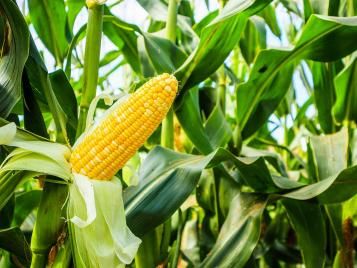
Sweetcorn, or maize, is sweet, tender and delicious – especially when cooked as soon as it is picked. Plenty of sun and dry weather are needed for the plants to grow well and to set cobs full of well formed kernels.
Sweetcorn varieties
Hybrid F1 varieties produce the sweetest kernels, and ‘Early Extra Sweet’ is the standard that all new varieties try to beat, although ‘Marika’, ‘Sweet Perfection’ and ‘Early Bird’ are good varieties.
The latest plant breeding has produced enhanced sweetness, with varieties such as ‘Butterscotch’ or ‘Swift’. But if you prefer a less chewy texture, then the tendersweet varieties ‘Lark’ and ‘Extra Tender and Sweet’ are the ones for you.
What you’ll need to start growing sweetcorn
Growing sweetcorn doesn’t require complicated equipment. Here’s what you need:
- Garden fork and spade
- Trowel
- Well-rotted farmyard manure
- General purpose fertiliser
- Liquid feed
- Sweetcorn seeds
- Cloches or clear plastic covers (1 per plant)
For indoor sowing:
- 9cm (3.5in) pots
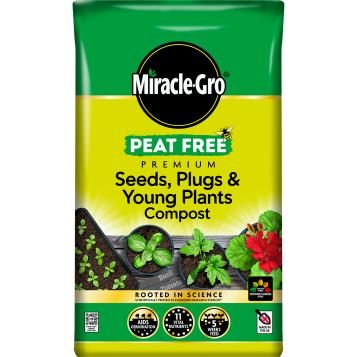
- Seed sowing compost
How to grow sweetcorn
Cultivation
Choose a position that receives lots of sunshine and is sheltered from strong winds.
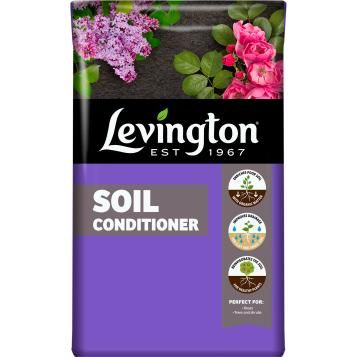
Sweetcorn will grow in most soils, providing it is well drained, but holds plenty of moisture. Before sowing or planting, improve the soil so that it is rich in nutrients and organic matter by digging in some well-rotted manure, garden compost or soil improver. Then add a good dressing of a general plant food.
When to sow sweetcorn
For early harvests, sow sweetcorn seeds indoors from late April to early May in modules filled with seed compost, and plant out in early June. Alternatively, sow seeds outdoors in late May or early June, spaced 45cm apart in a sunny sheltered spot, in well-drained fertile soil.
Because sweetcorn is wind pollinated, the plants should be placed in blocks rather than rows. This gives each plant a better chance of being pollinated by surrounding plants.
How to grow sweetcorn directly from a cob
If you have an old sweetcorn cob that you don’t want to eat, don’t throw it away! You can use it to grow more sweetcorn plants with our step-by-step guide:
- To allow time for plants to mature, start in mid to late April. For the best results, let the kernels dry out completely first to reduce the risk of rotting.
- Find a container long enough to hold the cob and place around 2.5cm of water in this container.
- Place the cob in the container and leave it in a sunny spot.
- After around 2 weeks, several of the kernels should start to sprout leaves and produce roots. These will gradually dislodge from the cob.
- Once the seedlings have come loose from the cob, plant them out in the same way as sweetcorn grown from seed.
How to care for sweetcorn
Water the soil thoroughly during prolonged periods of dry weather; this is vital when the plants are establishing and when they are flowering and the cobs are swelling.
Liquid feed every fortnight when the plants start to flower and the cobs begin to swell.
If roots appear at the base of the stem, cover them with soil to improve wind stability.
You can tap the plants when the male flowers (tassels) open to help pollination, as poor pollination will result in poorly filled cobs.
How to harvest sweetcorn
Sweetcorn is usually ready to harvest in late summer, from the end of August onwards. Some varieties are faster-maturing than others, so here’s how to check when your sweetcorn is ready to harvest:
- Wait until the silky tassels on the cobs have turned chocolate brown.
- Once this happens, pull back some of the leaves from the top of a cob to expose the kernels.
- Press your thumbnail into one or two kernels. If the liquid inside is creamy, the cob is ready to harvest. If it’s still clear, leave the cob to ripen. If the inside of the kernel is solid, the cob is over-ripe.
Cook as soon as possible after picking in plain water (no salt) and you will taste perfect sweetcorn! Avoid picking more than you need, since cobs that are left in the fridge for a day or two will gradually lose their sweetness.
Common sweetcorn pests
Birds
Birds, especially pigeons, peck at the leaves of young sweetcorn seedlings, often destroying them.
- Grow plants under netting while young. Taller plants are less attractive to birds.
Slugs and snails
Slugs and snails will eat young sweetcorn seedlings, and can be identified by the slime trails that they leave, as well as the damage they do. As the seedlings grow taller they are less at risk from slugs and snails.
- Check plants at night and remove slugs and snails by hand.
- Covering the soil around plants with crushed eggshells or grit may have some effect.
- Scatter slug pellets if other methods are insufficient.
Mice
Mice will dig up and eat sweetcorn seeds sown in the ground.
- Cover the ground with a thick layer of prickly holly leaves.
- Start seeds off in pots out of reach of mice and plant them out as seedlings.
Key features of sweetcorn
| Foliage season(s) | Spring, Summer |
|---|---|
| Sunlight | Full sun |
| Soil type | Chalky, Clay, Loamy, Sandy |
| Soil pH | Neutral |
| Soil moisture | Moist but well-drained |
| Ultimate height | Up to 1.8m (6ft) |
| Ultimate spread | Up to 90cm (3ft) |
| Time to ultimate height | 4 months |