März im Garten – Dein monatlicher Gartenratgeber
Mit dem März erwacht der Garten langsam wieder zum Leben. Die Tage werden spürbar länger, die Sonne gewinnt an Kraft, und vielerorts beginnen bereits die ersten Pflanzen zu treiben. Für Gärtnerinnen ist jetzt der offizielle Start in die neue Saison – die Zeit, in der Planung und Vorbereitung in aktives Gärtnern übergehen.
Jetzt heißt es: Beete vorbereiten, Samen säen und erste Pflegearbeiten im Garten erledigen. Der Boden taut auf, lässt sich bearbeiten und nimmt Nährstoffe gut auf. Wer früh beginnt, kann im Sommer umso mehr ernten und genießen.
Neben dem Gemüsegarten rücken auch Stauden, Sträucher und Rasenflächen wieder in den Fokus. Es ist an der Zeit, abgestorbene Pflanzenteile zu entfernen, Rosen zu schneiden und den Rasen zu regenerieren.
Auch die erste Düngung des Jahres steht an – sowohl für Gemüse- als auch für Zierpflanzen. Mit etwas Vorbereitung schaffst du beste Voraussetzungen für kräftiges Wachstum und eine reiche Blüte.

Was du im März pflanzen kannst und weitere Tipps für den Monat
Der März ist ein geschäftiger Monat im Garten – jetzt legst du den Grundstein für das Gartenjahr: Pflanzen, pflegen, schneiden und die Natur erwachen lassen.
Gemüse
Was du im März pflanzen kannst
Im März beginnt endlich die aktive Gartensaison – jetzt darf gesät, gepflanzt und vorbereitet werden. Der Boden erwärmt sich langsam, und viele Gemüsesorten können direkt ins Beet oder unter Glas ausgesät werden.
Geeignet für die Direktsaat sind:
- Karotten, Radieschen und Pastinaken – bei offenem Boden direkt ins Beet säen.
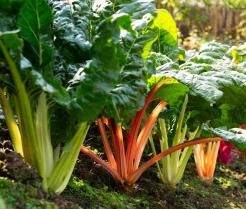
- Spinat, Mangold und Feldsalat – gedeihen auch bei kühleren Temperaturen.
- Zwiebeln – sowohl Steckzwiebeln als auch Samen können jetzt in die Erde.
- Erbsen – frühe Sorten wie „Meteor“ oder „Kelvedon Wonder“ eignen sich ideal für die Aussaat im Freien.
- Kohlrabi und Brokkoli – in Töpfen oder Frühbeeten vorziehen und ab April auspflanzen.
- Salate – Kopfsalat, Pflücksalat oder Römersalat keimen ab 8 °C zuverlässig.
Tipp: In kühleren Regionen lohnt sich ein Vlies- oder Mini-Gewächshaus, um frühe Kulturen vor Frost zu schützen. Wer schon im Haus vorzieht, hat im Mai kräftige Jungpflanzen für die Beete.



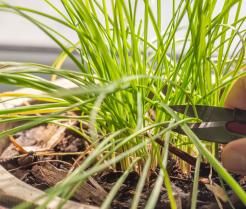

Gemüse pflegen im März
Pflege heißt im März vor allem: den Boden vorbereiten und Nährstoffe ergänzen.
- Boden lockern: Nach dem Winter den Boden flach umgraben oder harken, um Luft und Wärme hineinzubringen.
- Kompost oder alternative Bodenverbesserer wie Substral® Pferdedung oder eine torffreie Substral® Erde sowie organischen Substral® Dünger einarbeiten: das verbessert die Struktur und regt das Bodenleben an.
- Frühbeete kontrollieren: Lüften an milden Tagen, damit keine Schimmelbildung entsteht.
- Vorkulturen pikieren: Jungpflanzen mit mehreren Blättern vorsichtig vereinzeln, damit sie kräftig weiterwachsen.
- Fruchtfolge planen: Nach Starkzehrern wie Kohl oder Tomaten im Vorjahr nun Mittel- oder Schwachzehrer einplanen.
Tipp: Decke unbepflanzte Flächen mit Folie oder Mulch ab – so erwärmt sich der Boden schneller und bleibt frei von Wildkräutern und Moosen.

Was du im März ernten kannst
Die Auswahl wächst langsam, aber es gibt noch einiges zu ernten:
- Grünkohl und Rosenkohl – letzte Ernte, bevor die Pflanzen austreiben.
- Lauch – frische Stangen aus dem Beet, solange der Boden nicht zu nass ist.
- Spinat – aus dem Herbstanbau oder aus dem Frühbeet.
- Topinambur, Pastinaken und Schwarzwurzeln – können bis Ende März ausgegraben werden.
- Feldsalat – liefert noch knackige Ernte, bevor er zu blühen beginnt.
Tipp: Nach der Ernte von Wintergemüse kannst du die Beete direkt für frühe Aussaaten vorbereiten – so nutzt du den Platz optimal.
Obst
Was du im März pflanzen kannst
Im März ist der ideale Zeitpunkt, um Obstgehölze und Beerensträucher zu pflanzen. Der Boden ist in der Regel frostfrei und lässt sich gut bearbeiten. Die Pflanzen haben so ausreichend Zeit, um bis zum Sommer kräftig einzuwurzeln.
Geeignete Sorten und Pflanzen:
- Apfel-, Birnen- und Pflaumenbäume – wurzelnackte Bäume sollten jetzt gepflanzt werden, bevor die Knospen austreiben.
- Johannisbeeren und Stachelbeeren – können weiterhin gesetzt werden, solange der Boden offen ist.
- Himbeeren – Sommer- und Herbstsorten lassen sich jetzt gut pflanzen oder umsetzen.
- Erdbeeren – junge Pflanzen oder Ableger können bei mildem Wetter ins Beet.
Pflanztipp: Grabe die Pflanzgrube doppelt so groß wie den Wurzelballen, lockere den Boden tiefgründig und mische Kompost oder eine Substral® Pflanzerde unter. Die Veredelungsstelle sollte knapp über der Erde liegen. Nach dem Pflanzen gut wässern und mit Mulch abdecken.
Tipp: Wähle sonnige, windgeschützte Standorte für süßes, aromatisches Obst. In rauen Lagen bieten sich Spaliere an, die Schutz und Wärme spenden.





Obst pflegen im März
Im März stehen Schnitt, Pflege und Düngung im Mittelpunkt.
- Winterschnitt abschließen: Falls noch nicht geschehen, Apfel- und Birnbäume jetzt fertig schneiden, bevor sie austreiben.
- Beerensträucher auslichten: Alte, verholzte Triebe entfernen, um junges Wachstum zu fördern.
- Himbeeren und Brombeeren anbinden: Neue Ruten fixieren und abgestorbene Triebe entfernen.
- Düngung: Obstgehölze mit reifem Kompost oder organischem Substral® Dünger versorgen – das unterstützt den Austrieb.
- Obstlager kontrollieren: Eingelagerte Äpfel und Birnen regelmäßig prüfen, weiche Früchte sofort aussortieren.
Tipp: Ein leichter Rückschnitt fördert bei jungen Obstbäumen eine stabile Krone und sorgt für besseren Lichteinfall


Was du im März ernten kannst
Der Erntekalender ist im März noch überschaubar, aber einige Früchte und Lagerbestände sind weiterhin nutzbar:
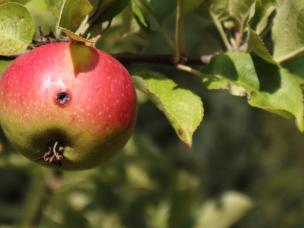
- Lageräpfel – verbrauche Vorräte, bevor sie weich werden.
- Lagerbirnen – reif gewordene Früchte zügig verarbeiten.
- Rhabarber – frühe Sorten können unter Glas oder Vlies bereits erste Stängel liefern.
- Hagebutten – nach Frost besonders süß, ideal für Marmelade oder Tee.
Tipp: Wer im Herbst Rhabarberpflanzen gesetzt hat, kann diese mit einem dunklen Kübel, Korb, Eimer oder einer speziellen Rhabarber-Glocke abdecken – so treibt die Pflanze früher aus.
Blumen & Blumenzwiebeln
Was du im März pflanzen kannst
Mit dem März beginnt die Hauptpflanzzeit für viele Frühlingsblumen und Stauden. Der Boden ist nach dem Winter meist feucht, aber gut zu bearbeiten, und die milden Temperaturen fördern das Wurzelwachstum.
- Sommerblühende Zwiebeln wie Gladiolen, Dahlien, Lilien und Begonien können jetzt im Haus oder Gewächshaus in Töpfen vorgezogen werden.
- Frühjahrsblüher wie Stiefmütterchen, Primeln und Vergissmeinnicht kannst du ab Mitte des Monats auspflanzen.
- Stauden teilen und pflanzen: Wenn du im Herbst nicht dazu gekommen bist, kannst du jetzt ältere Pflanzen teilen – das verjüngt sie und sorgt für kräftigen Austrieb.
Tipp: Pflanze Blumenzwiebeln und Stauden in Gruppen statt einzeln – so erzielst du natürliche, harmonische Blüheffekte.









Pflanzenpflege im März
Im März steht das große Aufräumen im Ziergarten an:
- Winterabdeckungen entfernen: Laub und Vlies nach Frostperioden abnehmen, damit Pflanzen wieder Licht bekommen.
- Staudenreste abschneiden: Vertrocknete Pflanzenteile 5–10 cm über dem Boden entfernen, damit neue Triebe ungehindert wachsen können.
- Kompost, alternativ Substral® Pferdedung oder eine torffreie Substral® Erde sowie organischen Substral® Dünger ausbringen. Frühblühende Stauden profitieren jetzt von einer leichten Nährstoffgabe.
- Beete auflockern: Nach starken Regenfällen den Boden vorsichtig harken, um Verdichtung zu vermeiden.
Tipp: Wer Sommerblumen im Haus vorzieht (z. B. Zinnien, Cosmeen oder Löwenmäulchen), sorgt jetzt schon für bunte Beete im Frühsommer.
Was du im März zurückschneiden kannst
- Ziergräser: Jetzt bis auf 10–15 cm über dem Boden zurückschneiden, bevor der Neuaustrieb beginnt.
- Stauden: Abgestorbene Pflanzenteile entfernen, damit Licht an junge Triebe gelangt.
- Frühjahrsblühende Sträucher: Erst nach der Blüte schneiden – z. B. Forsythie oder Zierjohannisbeere.
Tipp: Schneide an trockenen, frostfreien Tagen mit sauberen, scharfen Werkzeugen, um Infektionen zu vermeiden.
Was du im März pflanzen kannst
Der März ist optimal, um wurzelnackte Rosen und Sträucher zu pflanzen, bevor sie austreiben. Wurzelnackte Gehölze sollten vor der Pflanzung gründlich gewässert werden: entweder die gesamte Pflanze oder zumindest die Wurzeln über mehrere Stunden in Wasser tauchen.
- Rosen pflanzen: Pflanzloch doppelt so breit wie den Wurzelballen ausheben, Kompost oder Substral® Pflanzerde untermischen, Erde andrücken und gut wässern. Die Veredelungsstelle sollte etwa 3–5 cm unter der Erde liegen.
- Laubabwerfende Sträucher wie Spiersträucher, Weigelien oder Sommerflieder können ebenfalls gesetzt werden.
- Immergrüne Sträucher (z. B. Buchsbaum, Liguster) nur bei mildem Wetter pflanzen, um Frostschäden zu vermeiden.
Tipp: Die frisch gesetzten Pflanzen gut einwässern und auch in den darauffolgenden Wochen und Monaten auf ausreichende Bewässerung achten. Dies gewährleistet ein schnelles Einwachsen der Wurzeln. Eine Mulchschicht aus Laub oder Rindenkompost schützt die frisch gepflanzten Wurzeln und hält die Feuchtigkeit.

Rosen und Sträucher pflegen im März
- Rosen schneiden: Sobald die Forsythien blühen, ist der richtige Zeitpunkt für den Hauptschnitt. Entferne abgestorbene und schwache Triebe, um kräftigen Neuaustrieb zu fördern. Je nach Rosensorte können die Triebe auf wenige Augen zurückgeschnitten werden, was den gesunden und kompakten Wuchs der Rosenbüsche erhält.
- Sträucher formen: Alte, verholzte Triebe auslichten, um die Pflanze zu verjüngen.
- Düngen: Gib Kompost oder organischen Substral® Rosendünger – das unterstützt das neue Wachstum.
- Mulch erneuern: Alte Mulchschichten auffrischen, um Wildkräuter zu unterdrücken und Feuchtigkeit zu halten.
Tipp: Während des Schnitts schon auf erste Schädlinge kontrollieren und gegebenenfalls mit einem Substral® Mittel vitalisieren bzw. Bekämpfen, bevor die Pflanzen weiter austreiben.
Wie du deinen Rasen im März pflegst
Der März ist der perfekte Monat, um den Rasen aus dem Winterschlaf zu holen. Sobald der Boden frostfrei ist und die Temperaturen regelmäßig über 8 °C liegen, kannst du mit den ersten Maßnahmen zur Rasenpflege beginnen. Ziel ist es, die Grasnarbe zu stärken und die Grundlage für sattes Grün im Frühjahr zu legen.
Rasen säubern und auflockern
Nach den Wintermonaten haben sich oft Laub, Moos und abgestorbenes Gras angesammelt. Diese Schicht verhindert, dass Licht, Luft und Wasser an die Wurzeln gelangen.
- Entferne Moos im Rasen und Laubreste vorsichtig mit einem Rechen.
- Bei starkem Moosbefall kann der Rasen leicht vertikutiert werden – aber nur, wenn der Boden ausreichend abgetrocknet ist, da sonst zuviel Wurzelmasse ausgerissen wird.
- In schattigen Bereichen den Boden mit einer Grabegabel oder Rasenlüfterschuhe leicht auflockern und etwas Sand einarbeiten, um die Durchlässigkeit zu verbessern.
Tipp: Warte mit dem Vertikutieren, bis der Rasen wieder sichtbar wächst – meist ab Mitte/Ende März.
Rasen düngen und nachsäen
Nach dem Winter sind die Nährstoffreserven im Boden erschöpft. Eine gezielte Düngung sorgt für frisches Wachstum.
- Verwende einen Substral® Start Rasendünger fürs Frühjahr mit Stickstoff- und hohem Phosphoranteil - er fördert das Wurzelwachstum, regt das Halmwachstum an und intensiviert die Grünfärbung.
- Dünge an einem milden, trockenen Tag und wässere danach gründlich.
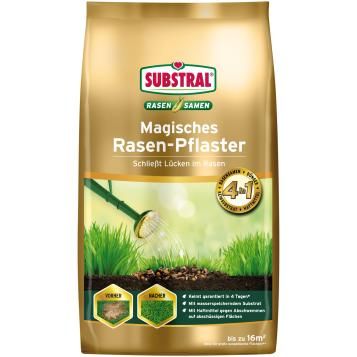
- Lücken im Rasen kannst du mit einer Substral® Nachsaatmischung ausbessern. Halte den Boden gleichmäßig feucht, solange die jungen Halme austreiben und die Grasnarbe geschlossen ist.
Tipp: Für ein gleichmäßiges Ergebnis den Dünger mit einem Substral® Streuwagen verteilen.
Rasenpflege bei wechselhaftem Wetter
Der März kann launisch sein – Sonne, Regen und Kälte wechseln sich oft ab. Passe deine Rasenpflege entsprechend an:
- Bei starkem Regen nicht betreten, um Verdichtungen zu vermeiden.
- Bei Frostphasen oder Schnee alle Arbeiten verschieben.
- Auf Staunässe achten – überschüssiges Wasser abziehen oder durchlüften.
Tipp: In milden Regionen kannst du bereits ab Mitte März den ersten Rasenschnitt vornehmen. Stelle den Mäher aber hoch ein (4–5 cm), um die jungen Halme nicht zu beschädigen.
Geräte und Werkzeuge vorbereiten
Nutze den Monat, um deine Rasenpflegegeräte in Schuss zu bringen:
- Rasenmäher reinigen, Messer schärfen und Öle prüfen.
- Vertikutierer und Trimmer testen und bei Bedarf warten.
- Substral® Streuwagen kontrollieren und reinigen, damit der Dünger gleichmäßig verteilt wird.
Ein gut gepflegter Rasen beginnt mit gut gepflegtem Werkzeug.