Oktober im Garten – Dein monatlicher Gartenratgeber
Der Oktober ist der große Übergangsmonat im Garten: Der Sommer verabschiedet sich langsam, die Tage werden kürzer, die Temperaturen frischer – und im Boden beginnt der Herbst seine eigentliche Arbeit.
Doch anstatt sich zurückzulehnen, ist jetzt die perfekte Zeit für zahlreiche Gartenaufgaben. Pflanzen setzen, Stauden teilen, Blumenzwiebeln stecken, den Rasen pflegen und Vorräte lagern – der Oktober hat für Hobbygärtner:innen einiges zu bieten.

Gemüse
Welche Gemüse du im Oktober pflanzen kannst
Auch wenn es draußen kühler wird, lohnt sich das Säen und Pflanzen im Oktober. Gerade robuste Sorten profitieren jetzt von den milden Bedingungen und legen die Basis für frische Ernten im Herbst und Frühjahr.
Im Herbst kannst du gezielt robuste und kältetolerante Kulturen säen oder pflanzen:
-
Feldsalat: Anspruchslos, keimt bei kühlen Temperaturen. Reihenabstand 10–15 cm, regelmäßig lüften.
-
Spinat: Schnell wachsend, gedeiht auch im Halbschatten. Ideal für milde Regionen oder unter Vlies.
-
Winterkopfsalat: Sorten wie ‘Maikönig’ oder ‘Winterbutterkopf’ jetzt im Frühbeet vorziehen.
-
Postelein (Winterportulak): Ideal für Balkonkästen oder Hochbeete. Braucht keinen nährstoffreichen Boden.
-
Radicchio & Asia-Salate: Liefert Farbe und Würze im Spätherbst, geeignet für Gewächshaus oder geschützte Lagen.
-
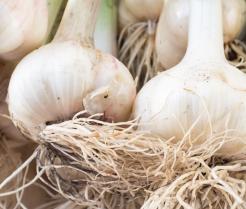
Knoblauch: Pflanze einzelne Zehen 5 cm tief, 10 cm Abstand. Standort sonnig und gut durchlässig.
-
Winterzwiebeln: Im Oktober gesteckt, bringen sie im Frühling die erste Ernte.
-
Dicke Bohnen: In milden Lagen (z. B. Rhein-Main) bereits jetzt aussäen – ergibt eine frühe Ernte im nächsten Jahr.
Mit diesen Pflanzungen nutzt du die Herbstmonate optimal aus und sorgst dafür, dass dein Garten auch in der kalten Jahreszeit produktiv bleibt.

Gemüseanbau im Oktober
Gemüseanbau im Oktober
Leere Beete kannst du mit Gründüngung wie Phacelia, Gelbsenf oder Winterwicke einsäen. Das schützt den Boden vor Erosion, unterdrückt Unkraut und verbessert die Humusbildung. Mulchen mit Laub oder Rasenschnitt ist ebenfalls empfehlenswert.
Welche Gemüse du im Oktober ernten kannst
Der Oktober ist nicht nur Pflanzzeit, sondern auch Erntemonat. Viele Gemüsearten sind jetzt reif und können frisch in der Küche verarbeitet oder für den Winter eingelagert werden.
- Kürbis: Vor dem ersten Frost ernten, mit Stiel lagern.
- Rote Bete & Möhren: Bei Frostgefahr mit Vlies abdecken oder einlagern.
- Lauch & Sellerie: Die Erntezeit reicht bis in den Winter.
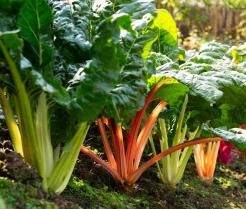
- Mangold & Grünkohl: Frosthart, können nach Bedarf geerntet werden.
- Pastinaken & Topinambur: Je nach Bodenverhältnissen frisch ausgraben.
Mit einer klugen Ernteplanung sicherst du dir gesunde Vorräte und genießt auch in den kalten Monaten noch die Früchte deiner Gartenarbeit.
Obst
Welches Obst du im Oktober pflanzen kannst
Der Herbst ist ideal, um wurzelnackte Obstgehölze zu pflanzen. Der Boden ist noch warm, die Verdunstung gering – perfekte Bedingungen für die Wurzelbildung vor dem Winter. So starten deine Bäume und Sträucher im Frühling mit einem Wachstumsvorsprung.
Geeignet zum Pflanzen:
- Apfel & Birne: Standort sonnig bis halbschattig, tiefgründiger, nährstoffreicher Boden. Pflanzloch 1,5x so breit wie der Wurzelballen.
- Quitte: Wärmeliebend, gedeiht besonders gut in mildem Klima (bspw. Weinanbaugebieten).
- Pflaume & Zwetschge: Windgeschützt pflanzen, besonders empfindlich gegenüber Spätfrost in der Blüte.
- Beerensträucher: Johannisbeeren, Stachelbeeren, Himbeeren – benötigen humosen, lockeren Boden. Pflanzabstand: ca. 1,5 m.
- Heidelbeeren: Nur in saurem Substrat (pH 4–5,5). Ideal im Kübel mit spezieller Rhododendron-Erde.
Tipp: Verwende torffreie Pflanzerde und bringe eine Mulchschicht aus Laub oder Rindenhumus auf. Die Veredelungsstelle sollte stets über der Erde liegen.
Hinweis zur Bestäubung: Viele Apfelsorten benötigen eine zweite Sorte zur Befruchtung. Informiere dich vor dem Kauf über passende Pollenspender.
Obstanbau im Oktober
Obstanbau im Oktober
Nach der Pflanzzeit beginnt im Oktober die entscheidende Pflegephase für Obstbäume und Beerensträucher. Viele Maßnahmen, die du jetzt umsetzt, schützen vor Krankheiten, fördern die Vitalität und bereiten deine Pflanzen optimal auf den Winter vor.
Oktober ist auch ein Monat für Pflege und Vorbereitung:
- Entferne krankes oder faules Fallobst vollständig – idealerweise nicht auf dem Kompost, um Pilzsporen zu vermeiden.
- Du kannst junge Obstbäume weißeln, was vor Frostschäden und Spannungsrissen schützt.
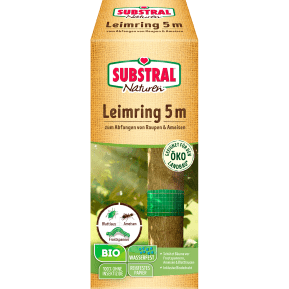
- Leimringe gegen Frostspanner anbringen oder erneuern.
- Mulche die Baumscheibe mit Kompost, Laub oder Rasenschnitt – das schützt und fördert Bodenleben.
- Kürze lange Triebe bei Himbeeren und Brombeeren auf 1/3 ein. Alte Ruten bei Herbsthimbeeren bodennah entfernen.
Tipp: Kontrolliere Baumanbindungen, Rankhilfen und Drahtrahmen – besonders bei windigen Standorten.
So stellst du sicher, dass deine Obstgehölze gesund durch die kalte Jahreszeit kommen und im nächsten Frühjahr kräftig austreiben.
Welches Obst du im Oktober ernten kannst
Der Oktober beschert dir eine besonders vielfältige Obsternte. Viele Sorten erreichen jetzt ihren vollen Geschmack und können direkt genossen oder für die Wintermonate eingelagert werden.
- Spätäpfel (z. B. ‘Boskoop’, ‘Jonagold’, ‘Braeburn’): Lagerfähig bis März
- Tafelbirnen (z. B. ‘Conference’, ‘Clapps Liebling’): Frisch verwenden oder kurz lagern
- Quitten: Reif, wenn sie gelb sind und duften – ideal für Gelee oder Kompott
- Späte Himbeeren & Brombeeren: Letzte Ernte vor Rückschnitt
- Trauben: Nur in Weinlagen oder geschützten Gärten – rechtzeitig ernten, bevor sie platzen
Lagerung: Nur unbeschädigtes, trockenes Obst kühl (4–8 °C), dunkel und luftig lagern. Äpfel und Birnen nicht zusammen mit Gemüse lagern. Optimal: Holzkisten in einem unbeheizten Keller oder der Garage.
Mit der richtigen Lagerung bleibt dein Obst länger frisch und du kannst die Ernte deines Gartens bis weit in den Winter hinein genießen.
Blumen & Blumenzwiebeln
Welche Blumen und Zwiebeln du im Oktober pflanzen kannst
Der Oktober ist die beste Zeit zum Pflanzen von Frühlingsblühern. Die Zwiebeln benötigen die Kältephase des Winters, um im Frühling kräftig auszutreiben. Wichtig ist, sie rechtzeitig zu setzen – am besten bis Ende Oktober, damit sie noch einwurzeln können, bevor der Boden gefriert.
Mit den richtigen Blumenzwiebeln legst du jetzt den Grundstein für ein buntes Frühjahr. Viele Klassiker entfalten gerade durch die Herbstpflanzung ihre volle Pracht.
Jetzt ist die perfekte Zeit für:
- Tulpen – Klassiker in unzähligen Farben, ideal für Beete und Töpfe Sortentipp: Frühblühend ‘Apricot Beauty’, spätblühend ‘Queen of Night’
- Narzissen – z. B. ‘Tête-à-Tête’ für Topf & Beet, ‘Carlton’ für Naturgärten
- Krokusse – Frühstarter ab Februar, gut für Rasenflächen (verwildern leicht)
- Hyazinthen – intensive Farben und starker Duft, auch für Topfkultur geeignet
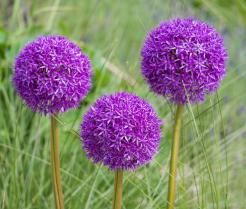
- Allium (Zierlauch) – besonders ‘Purple Sensation’ oder ‘Globemaster’ als Akzente
So sorgst du schon jetzt für farbenfrohe Highlights im Beet, die dich im Frühjahr zuverlässig überraschen.
Nach dem Pflanzen:
Damit deine Zwiebeln sicher durch den Winter kommen, sind ein paar einfache Pflegeschritte entscheidend.
- Gut angießen (aber Staunässe vermeiden)
- Mit Laub, Rasenschnitt oder Rindenmulch bedecken – schützt vor Frost
- Mit Pflanzschild oder Markierung versehen – damit du im Frühjahr nicht versehentlich die Zwiebeln wieder ausgräbst
- Bei Wühlmausproblemen: Zwiebeln in Drahtkörbe setzen
Mit diesen Maßnahmen stellst du sicher, dass deine Blumenzwiebeln gesund überwintern und dich im Frühling mit kräftigen Blüten belohnen.
Sommerblüher zurücknehmen & überwintern
Nicht frostharte Knollen und Zwiebeln müssen vor dem ersten starken Frost aus dem Boden:
- Dahlien – mit der Grabegabel vorsichtig ausheben, Stängel auf 10 cm kürzen
- Gladiolen – Knollen abtrocknen lassen und kühl lagern
- Begonien – Knollen trocken und dunkel aufbewahren
So stellst du sicher, dass deine schönsten Sommerblumen unbeschadet in die Winterpause gehen.
Lagerung:
Ebenso wichtig wie das Ausgraben ist die richtige Lagerung – nur so bleiben die Knollen gesund und treiben im nächsten Jahr zuverlässig wieder aus.
- An einem luftigen, frostfreien Ort (z. B. Keller oder Garage)
- In Zeitungspapier oder Holzkisten mit Sand einlagern
- Regelmäßig auf Schimmel oder Fäulnis prüfen
Mit der passenden Lagerung sicherst du dir einen farbenfrohen Start in die nächste Gartensaison.
Pflanzen & Sträucher
Was du im Oktober pflanzen kannst
Der Herbst ist die ideale Pflanzzeit für Gehölze und Stauden. Der Boden ist noch warm, und die Pflanze hat genügend Zeit zum Einwurzeln.
Geeignet sind:
- Laubabwerfende Ziersträucher: Forsythie, Weigelie, Schneeball, Spierstrauch
- Heckenpflanzen: Hainbuche, Liguster, Feldahorn – günstig als wurzelnackte Ware
- Kleingehölze für Beete und Vorgärten: Felsenbirne, Cornus, Lavendelheide
Mit diesen Pflanzungen kannst du deinem Garten jetzt Struktur geben und schon im kommenden Jahr von frischem Wuchs und Blüten profitieren.
Pflanzanleitung:
- Pflanzloch doppelt so breit und tief wie der Wurzelballen
- Boden lockern und mit torffreiem Kompost anreichern
- Ballen oder Wurzeln vor dem Pflanzen gründlich wässern
- Pflanze auf gleiche Tiefe setzen wie im Topf
- Erde andrücken und ausgiebig angießen
- Bei Bedarf mit Pflanzstab oder Kokosschnur stabilisieren
- Mulchen mit Laub oder Rindenmulch
Tipp: Achte bei Sträuchern auf ausreichend Abstand – auch kleine Pflanzen wachsen in den nächsten Jahren kräftig.
So legst du die Basis für gesunde und langlebige Gehölze, die deinen Garten über viele Jahre bereichern.
Stauden teilen und neu pflanzen
Viele mehrjährige Stauden können jetzt geteilt und neu gesetzt werden. Das sorgt für Vitalität und kräftigere Blüte im Folgejahr.
Geeignet sind u. a.:
- Astern
- Taglilien
- Phlox
- Frauenmantel
- Storchschnabel
- Iris
- Rittersporn
Diese Auswahl zeigt, wie vielfältig die Möglichkeiten sind – durch Teilung hältst du deine Beete vital und bringst zugleich neue Dynamik in den Garten.
So funktioniert’s:
- Staude ausgraben und mit Spaten oder Grabegabel vorsichtig teilen
- Nur gesunde, kräftige Pflanzenteile verwenden
- Welkes und Verholztes entfernen
- Neu einsetzen, gut angießen und bei Bedarf mulchen
Tipp: Die Teilung ist nicht nur Verjüngung – du kannst so auch neue Flächen bepflanzen oder Ableger verschenken.
So kombinierst du Pflege mit nachhaltiger Gartengestaltung und hast lange Freude an kräftigen, blühfreudigen Stauden.



Rasenpflege
Rasen im Oktober pflegen
Der Oktober ist der letzte wichtige Monat, um den Rasen winterfit zu machen. Die richtige Rasenpflege im Herbst ist wichtig, damit dich dein Rasen im Frühjahr mit dichtem, gesundem Grün belohnt.
Letzter Rasenschnitt – aber richtig
Mähe deinen Rasen im Oktober regelmäßig, solange das Gras noch wächst. Die richtige Schnitthöhe liegt bei 4 bis 5 cm – so schützt du die Halme vor Frost und erhöhst ihre Widerstandskraft.
Achte darauf:
- Nicht zu kurz mähen: Zu kurze Halme sind frostempfindlich
- Schneide bei trockenem Wetter – feuchtes Gras führt zu unsauberen Schnitten
- Keine Schnittgutreste liegen lassen – das fördert Pilzbildung
Tipp: Bei Zierrasen kann die Schnitthöhe etwas niedriger sein, bei Spielrasen lieber etwas höher für bessere Strapazierfähigkeit im Winter.
Laub entfernen – Licht ist Leben
Laub sollte regelmäßig vom Rasen entfernt werden – insbesondere in Schattenlagen und bei dichten Bäumen.
Warum?
- Lichtmangel unter feuchtem Laub schwächt das Gras
- Fäulnisgefahr durch Nässe & Temperaturwechsel
- Moosbildung wird gefördert
Laub nicht wegwerfen – nutze es als Mulch oder auf dem Kompost.
Tipp: Ein Fangkorb am Rasenmäher kann beim gleichzeitigen Mähen und Laubsammeln helfen.
Vertikutieren und Lüften – nur bei Bedarf
- Vertikutieren: Nur bei sichtbarem Rasenfilz oder Moos. Oktober ist die letzte Chance im Jahr! Danach unbedingt nachsäen und feucht halten.
- Lüften: Bei stark verdichtetem Boden kann eine manuelle Belüftung mit der Grabegabel helfen – ideal auf stark genutzten Flächen wie Spielrasen.
So bleibt dein Rasen auch bei hoher Belastung gesund und widerstandsfähig.
Nachsaat bei Lücken:
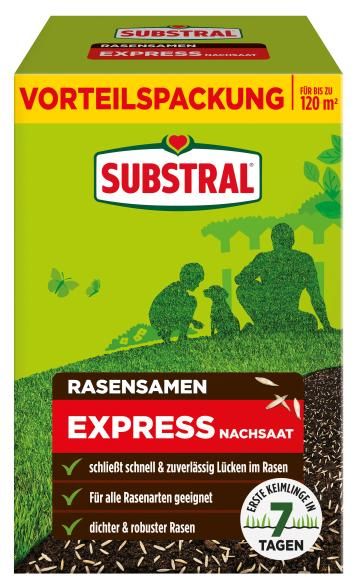
- Schattenrasen- oder Nachsaatmischungen verwenden
- Boden vorbereiten: leicht anrauen, nachsäen, andrücken, regelmäßig feucht halten
- Keimdauer: ca. 10–14 Tage (abhängig von Temperatur & Mischung)
- Bodentemperatur sollte dauerhaft über 8 °C liegen
Mit einer gezielten Nachsaat schließt du Lücken zuverlässig und sicherst dir im Frühjahr ein gleichmäßig dichtes Grün.
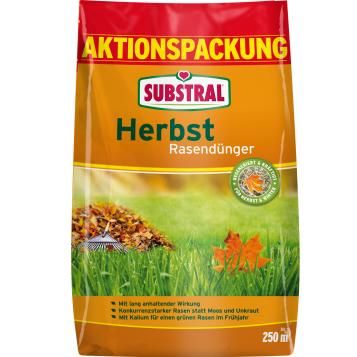
Herbstliche Rasendüngung – der Immunboost vor dem Winter
Ein Herbstdünger enthält besonders viel
Ein Herbstdünger enthält besonders viel Kalium – dieses Element stärkt die Zellwände der Gräser, verbessert die Winterhärte und macht den Rasen widerstandsfähiger gegen Krankheiten.
Düngehinweise Oktober:
- Nur bei frostfreiem Boden ausbringen
- Streuwagen verwenden – sorgt für gleichmäßige Verteilung
- Nach dem Düngen gründlich wässern
- Nicht zu spät im Monat – die Gräser brauchen noch 2–3 Wochen zum Einziehen der Nährstoffe
- Kein stickstoffreicher Dünger: Das würde das Wachstum unnötig anregen und die Frostgefahr erhöhen
Düngertipp: Verwende spezielle Herbstrasen-Dünger – sie sind auf die Bedürfnisse der späten Jahreszeit abgestimmt und enthalten kein schnell wirkendes Nitrat.
Mit der richtigen Herbstdüngung stärkst du deinen Rasen nachhaltig. Die Gräser gehen widerstandsfähig in die Wintermonate, überstehen Frost und Nässe besser und starten im Frühjahr vital und sattgrün durch. So sparst du dir im nächsten Jahr viel Pflegeaufwand und kannst dich früh über eine geschlossene, gesunde Grasnarbe freuen.
Vorbereitung auf die Winterruhe
Bevor der Rasen endgültig in die Winterpause geht, helfen ein paar letzte Handgriffe dabei, Schäden zu vermeiden und die Fläche optimal auf die kalte Jahreszeit einzustellen.
- Kantenpflege: Schneide Rasenkanten ein letztes Mal sauber – das erleichtert den Start im Frühjahr
- Mähroboter & Mäher einwintern:
- Messer reinigen & ggf. schärfen
- Akkus entnehmen und frostfrei lagern
- Gerät trocken, sauber und frostsicher aufbewahren
- Gartenschläuche & Sprenger abbauen – frostgefährdet!
Tipp: Mache Fotos deiner Rasenflächen – so kannst du im Frühjahr gezielt auf Lücken, Problemzonen oder Moosbildung reagieren.
So schließt du die Gartensaison gut vorbereitet ab und sorgst dafür, dass dein Rasen im kommenden Jahr gesund und kräftig startet.