Anyone that has had a go at growing their own will tell you that the taste of home-grown tomatoes, or the sense of well being derived from digging up a row of fresh new potatoes is second to none. There’s also the opportunity to grow the old fashioned, or unusual varieties, that simply aren’t available in shops… and if this isn’t enough, you’ll be saving on the food miles at the same time.
The good news is with a little gardening know-how anyone can have a go at growing their own vegetables. You don’t need acres of space, or years of horticultural training, just roll up your sleeves and start having fun.
Container growing and the urban gardener
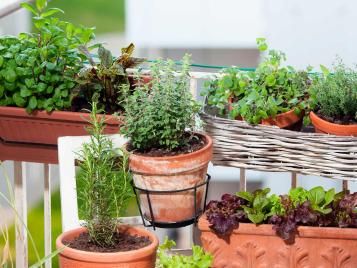
Many types of crop can flourish in an urban setting. If garden space is limited, or you have no garden at all, you can still grow veg in a sunny spot on a patio, balcony or even a windowsill. By using pots, gro-bags and planters, there’s little that an urban gardener can’t grow. Tomatoes, lettuce, cabbages and potatoes will grow equally as well in a city setting, as a country garden.
The key is to use quality compost that’s been specifically designed to grow fruit and vegetables.
It’s important to remember that all the principles for successfully growing veg in containers, are exactly the same for veg-plots and allotments - just on a smaller scale!
Vegetable plot or allotment
A traditional plot devoted solely to fruit and vegetables is a luxury in most small domestic gardens, but well worth the space if you can. Unless you have lots of space to spare, avoid growing maincrop potatoes, as a wide variety of them are always on sale in every supermarket at reasonable prices.
Instead, grow your favourites such as asparagus (always expensive to buy) peas (picked fresh they taste different to anything you’ve ever bought) and pull carrots early (when they are bursting with flavour). You can also try the exotics that are rarely found in the shops such as globe artichokes.
Where to position your vegetable garden
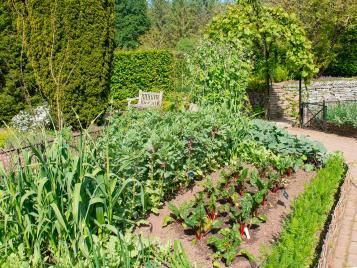
If you have any choice within your garden, pick a light airy spot that gets plenty of sun throughout the day - avoid areas under overhanging trees or shaded by fences. Most vegetables are sun lovers and require plenty of light and warmth to produce the best crops. If the plot is open and exposed to cold winds, some form of windbreak may be required - a fence, wall or dwarf hedge would be adequate. A south facing patio is the ideal spot for growing many veg in gro-sacs and planters.
Good access for wheelbarrows is a must, so a path of solid material with wide gates is useful. Although many people think veg plots are unsightly, (which, by the way, doesn’t have to be the case) it’s worth keeping them fairly close to the house. You won’t want to be setting out on an expedition to the bottom of the garden every time you want to harvest something.
Water is important for growing veg. It’s not only needed to ensure good yields and avoid crop failure, it’s also necessary for successful seed sowing.