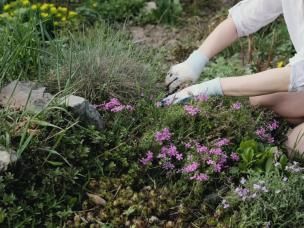

Killing common garden weeds
It’s easy to think that the best thing to kill weeds is simply to spray the affected area with weedkiller and wait for the magic to happen. But things aren’t so simple.
Different types of weed react to weedkiller in different ways. Some weedkillers will affect the surrounding plants, while others won’t. And you may not even need weedkiller at all: in more localised cases, you may be better off digging them out by hand.
Working out the best way to get rid of weeds, in the context of the weeds involved and the wider environment, is essential for getting the best possible results. This guide explores everything you need to know about removing weeds, why it’s important, and which is the best approach for your garden.
Why is removing weeds important?
Weeds are essentially plants, much like any other, so you might wonder whether there’s much point in making the effort to remove them. But weed removal can make a real difference to your green space — and to you:
It keeps your garden looking nice
Your carefully planned and planted flower bed, or your meticulously mown lawn, can have its look spoiled by even one unsightly weed. You might try your best to ignore it, but once you know it’s there, your eye will be drawn to it — and you’ll know that one weed will become many weeds if it’s left alone.
It promotes healthier plants
Weeds thrive because they out-compete other plants for light, water and nutrients. This means — generally speaking — the bigger and stronger a weed becomes, the smaller and weaker the plants around it become. Removing weeds therefore gives your preferred plants the space they need to thrive.
It can keep you fit!
Instead of treating weed removal as a chore, why not consider it an opportunity to get some fresh air and exercise, and a chance to spend more time in your garden? Putting in the hard work to take weeds out manually, either by hand or through digging, can be very rewarding by giving you a nicer, healthier garden.
What types of weed are there?
It’s important to distinguish between the three main types of weed. All have different traits and characteristics, which mean that weed remove has to be approached differently for each:
Annual weeds
Annual weeds have a lifespan of one growing season, but where they really have an impact on a garden is after they set seed. Annual weeds tend to spread huge numbers of seeds over a wide area, which means more of them will grow the following summer — and in the summers beyond — if not properly addressed.
Biennial weeds
Biennial weeds, as their name suggests, have a normal lifespan of two growing seasons. In the first summer, they will grow from a seed and establish themselves enough that they can survive the winter. Then, in the second summer, they’ll produce flowers and spread their seeds.
Perennial and woody weeds
Any weeds that last for more than two years are perennial weeds (sometimes known as woody weeds). These weeds are resilient enough to survive multiple winters, typically because they build deep root networks.
What’s the best way to get rid of weeds?
There are three ways you can remove weeds, with different methods suiting different types of weed and environment:
By hand
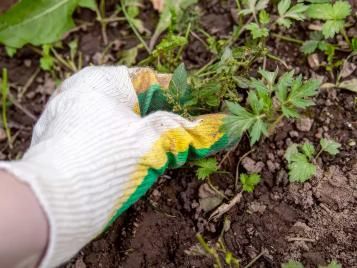
This is perhaps the simplest method: with gloves on, grab hold of the weed and ease it out of the soil, being careful to ensure that you bring all of the roots with it. As well as being the quickest and most natural method, it also eliminates the risk of other plants in the surrounding area being affected. This works best on annual weeds (especially younger ones) that haven’t had the time to establish a large or strong root network.
With manual tools
More mature annual weeds and younger biennials and perennials may require some more heavy-duty manual effort. Work around with a hoe if its a dry day, or dig out manually with a garden fork, ensuring you remove as much of the root as possible. Try not to work the soil too deeply as un-germinated seeds may make their way up to the top of the soil. If you try to remove dandelions and other perennials manually, it’s absolutely essential that you remove the whole weed root, because the root stays intact underground when the foliage dies back in the winter.
With weedkiller
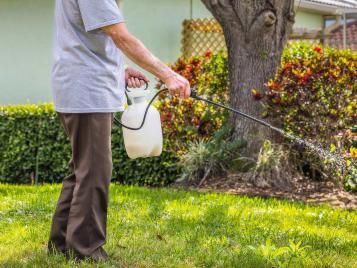
If there are too many weeds — and especially perennials — for you to deal with manually, then you should consider using a weedkiller suitable for your environment (more on this in the next section). Weather conditions at the time of applications are important. Do not spray when it’s wet as there will be run-off, or when it’s windy and can be spread to other plants. Follow the instructions on the packet closely for the best results, and to avoid over-spraying (being especially careful not to spray on flowers as it can harm pollinators).
Removing weeds with weedkiller
There’s a wide range of weedkillers available for different situations and types of weed. Choosing the right one can make a real difference to the success of your weed removal strategy:
Selective weedkillers
Selective weedkillers such as Weedol® LN Lawn Weed Control are specifically designed to target broad-leaved weeds and not the lawn, which is ideal when you want to remove weeds without damaging the surrounding environment.
Ideal for: killing weeds on large lawns and in tight border areas, close to grass or flowers that you want to keep.
Non-selective weedkillers
These are your more general-purpose weedkillers that, in the case of products like Roundup® Weedkiller Path Optima, get to work in a matter of hours. These should be used carefully, as they’ll affect any plant life they come into contact with — whether you want it to or not!
Ideal for: weeds in hardscapes like paths, patios and driveways, that aren’t surrounded by preferred plants that could be affected unintentionally.
Contact weedkillers
This more specific type of non-selective weedkiller, such as Weedol® Gun!™ Fast Acting Weedkiller is applied directly to the leaves of a plant to kill on contact.
Ideal for: annual weeds that can be targeted at close range, and more mature weeds that may require repeat treatment.
Systemic weedkillers
Systemic weedkillers including Roundup® Fast Action Ready to Use Weedkiller kill the roots of the plant. Whether it’s sprayed into the leaves, seeps underground into roots, or a combination of the two, you’ll see it taking effect within a couple of days — but it may take weeks to completely destroy the weed.
Ideal for: biennials and perennials that require full root destruction.
Frequently asked questions
How can I clear a garden full of weeds?
Clearing a weed-dominated garden could take a long time if relying on manual labour, so using weedkiller will be the most time-friendly option. Start by identifying which weeds are present, and selecting the right weedkiller based on the advice above. And ensure you wear the right safety equipment, as advised on your chosen product.
How can I get rid of deep-rooted weeds?
Deep-rooted weeds like perennial weeds tend to be harder to remove, not only because their root systems are so much more expansive, but also because they can grow back from even a tiny bit of root left behind. This is where a good-quality weedkiller comes into its own, being absorbed by the leaves and taken down to the roots to do its work.
What if I want to encourage a strong insect ecosystem?
Weeds have a positive role to play as pollinators for bees and other insects. If you remove all the weeds from your garden, while this might make the space tidier, it may limit pollination opportunities. To strike the right balance, you may want to consider making a ‘weed corner’ in your garden where weeds can grow in a controlled way.