How to spot nitrogen deficiency in your plants

How to spot nitrogen deficiency in your plants

All about how plants use nitrogen for food

Nitrogen is one of the major nutrients needed by all plants to grow successfully. Nitrogen promotes healthy, green growth as well as strong development and is particularly important for plants with lots of green foliage such as spinach, kale, broccoli, trees, and shrubs, but all plants require nitrogen.

Author

Kate Turner

Horticulturalist

Symptoms of nitrogen deficiency

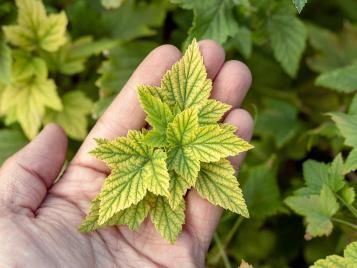
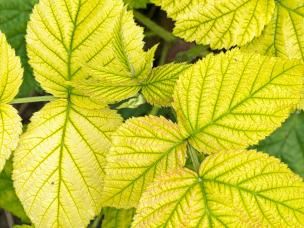
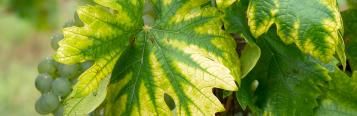
  • Pale, yellowing leaves
  • Leaves may have a pink tinge
  • Stunted or spindly growth

Currant plant leaf with nitrogen deficiency

As nitrogen is very soluble it is easily washed or “leached” out of the soil or compost if growing in containers, especially when the spring rains coincide with fast, lush plant growth.

By adding nitrogen, you can help remedy any deficiency and improve plant growth, especially with fast growing plants such as salad leaves and summer bedding.

What to apply

Nitogen can be added as a ‘straight’ fertiliser, especially useful on a large vegetable patch or border.

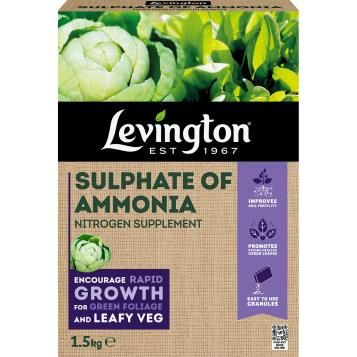
A straight feed is usually just 1 main nutrient such as Levington® Sulphate of Ammonia which has a high ratio of nitrogen but can sometimes be a combination. These straights can be seen as a soil supplement.

For plants in containers or ones that are starting to show obvious signs of nitrogen deficiency, then it is best to use a fast-acting liquid feed. Most of these will come with other nutrients that plants need, especially phosphorus and potassium such as Miracle-Gro® All Purpose Concentrated Liquid Plant Food with a ratio of NPK 7-3-5. These liquid feeds can be used weekly during the growing season and are diluted in a watering can.

Nitrogen can also be applied as part of a controlled release fertilser. This means that the plants are able to access the nutrients like nitrogen as and when they need it and should last the growing season.

These controlled fertilisers can be applied to a container and are especially useful for longer grower plants such as shrubs or small trees. They can also be mixed into the compost at planting time. It’s important to remember that all fertilisers need to be watered in.

Prevention

To help combat nitrogen deficiency in your soil, always add a mulch in the autumn to reduce leaching throughout the winter. Adding an organic mulch such as well-rotted farmyard manure or manure plant food will also add nutrients as it breaks down.

While good quality compost like Miracle-Gro® is formulated with plant food, it’s important to keep an eye on your plants and learn their needs. Once the composts plant food is used up, you’ll need begin supplementary feeding.

As well as combatting deficiencies, adding nutrients to your plants can produce bigger blooms and bumper crops. Just be careful not to over apply and always follow the instructions.

Find your local store

Looking for specialised gardening advice? Or just hunting for a specific product? Visit your local store and get help from dedicated staff.