Black spot
What is black spot on roses?
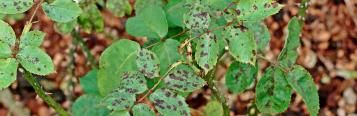
Black spot disease can be found on many plants but most gardeners know it from their roses (also called rose black spot) and it is the scourge of rose growers. So, what causes black spot on roses? Black spots on rose leaves are caused by the black spot fungus Diplocarpon rosae. Not only does it make the plant look unsightly but it also causes the leaves to drop prematurely, which weakens the plant if it occurs repeatedly. The fungus spends the winter on the stems of the rose and on fallen leaves.
How to identify black spot on roses
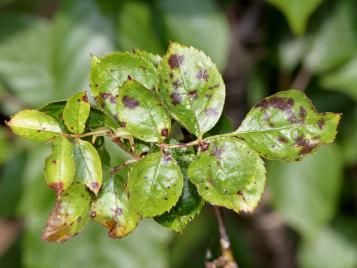
Roses affected by black spot develop purple-black spots on leaves followed by a yellowing of the leaves. The spots are made up of strands of fungal growth, growing through the surface of the leaf. Spots sometimes join together to form larger blotches. Roses can also develop smaller black spots on their stems.
Black spot is a common fungal problem on roses but can be found on other plants too. For example, other funguses can cause black spots on potato leaves and black spots on tomatoes.
Black spot damage and symptoms
What are the symptoms of rose black spot? The most common rose black spot symptoms are black spots on leaves which become larger blotches after which the leaves turn yellow and fall from the plant. The plant becomes very weak if rose black spot occurs every year.
How does rose black spot spread?
It spreads via infected leaves so it’s important to clear away all infected parts of the rose before the winter to prevent the black spot fungus from re-infecting the plant the following spring.
Rose black spot treatment and control
How to treat black spot on roses? Try these rose black spot treatments:
- As soon as you see signs of rose black spot disease, rake up and destroy all infected leaves and plant parts.
- To get rid of black spot on roses clear away any infected foliage and destroy it, especially in autumn.
- To reduce the chances of re-infection for the following season, prune back plants hard with clean tools. Removing any stems showing signs of black spot.
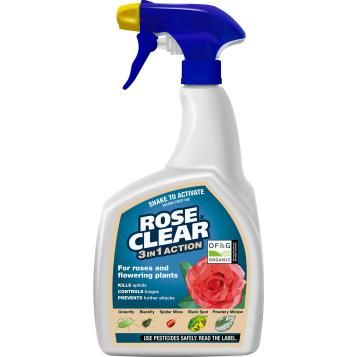
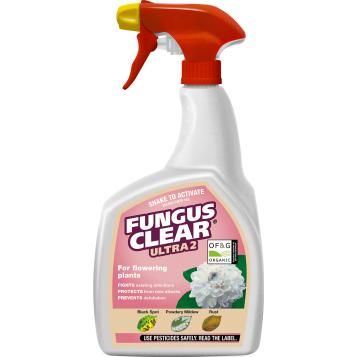
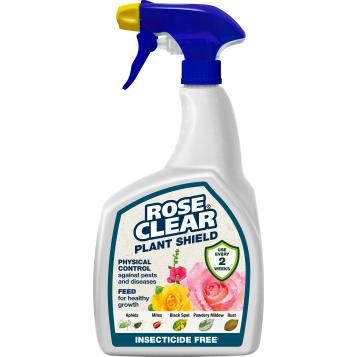
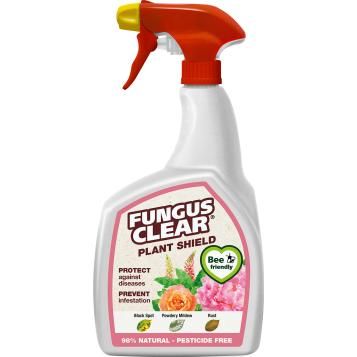
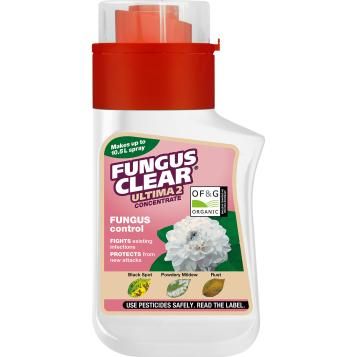
- Where roses were infected with black spot disease in the previous season, start spraying with a suitable black spot fungicide from April onwards. Continue spraying with the black spot spray for roses at recommended intervals throughout the summer.
How to prevent rose black spot
Rose black spot prevention involves good garden hygiene and a bit of research before you go rose shopping. When you buy a new rose, choose varieties which are described as resistant to disease. Here are a few examples:
- Rosa ‘Iceberg’. Pure white cluster-flowered rose.
- Rosa ‘Kew Gardens’. A shrub rose with small, white single flowers held in very large heads.
- Rosa ‘Belle de jour’. Peach-yellow cluster-flowered rose.
Ongoing care
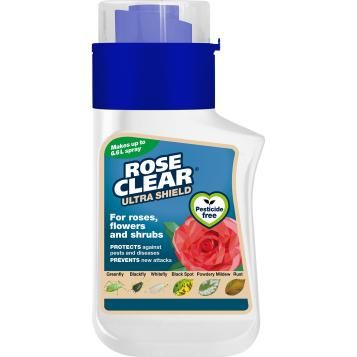
Remember a healthy plant is a happy plant. Look after your roses and keep them stress free by pruning, feeding and watering adequately as it will help the plant fight diseases. Rose sprays that contain foliar feed as well as treating aphid and fungus can be used regularly as a preventative if it’s going to be a wet year.