How to get rid of crabgrass in your lawn
How to get rid of crabgrass in your lawn
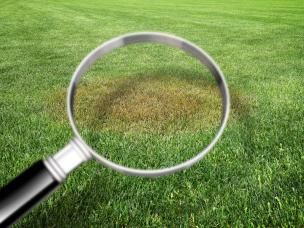
Noticed clumps of grass that don't quite match the rest of your lawn? You might be dealing with crabgrass, also known as crowsfoot grass, a wiry annual summer weed that spreads fast and produces heaps of seeds each season. Once it dies off, it leaves behind ugly bare patches that weaken your lawn and make it even more vulnerable to future infestations. It can be a tricky weed to get on top of, thanks to just how many seeds it drops each season, but with the right approach, you can bring crabgrass under control and reduce future germination. Here's how to identify, prevent, and get rid of crabgrass.
What is crabgrass?
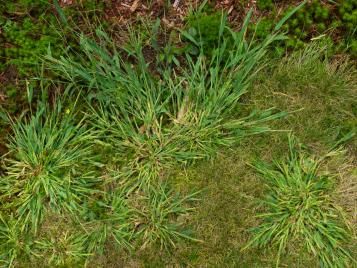
Crabgrass is an invasive annual weed that thrives in summer. It typically grows in a low, spreading pattern close to the ground, especially in regularly mown lawns. Left unmowed, though, it can shoot up to about a metre tall. Tough, wiry stems fan out from the base a little like crab legs, which is where the name comes from. These stems sprout light green, narrow, flat leaves that spread out in a fan-like pattern.
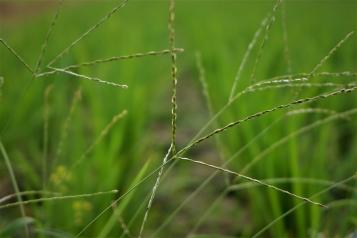
Crabgrass flowers and sets seed through summer, sprouting distinctive finger-like seed heads towards the end of the season.
Underground, crabgrass relies on an extensive fibrous root system, which helps it anchor firmly in place and makes pulling it out by hand a bit of a challenge.
Why is crabgrass a problem?
The main issue with crabgrass is that it outcompetes your turf grass for nutrients and water. Once established, it spreads out, and its broad, light green blades stand out like a sore thumb against regular turf. Not only does this spoil the look of a uniform lawn, but it also weakens the surrounding grass as it competes for resources.
It's also a prolific seeder and an aggressive spreader, with a single plant producing thousands of seeds in just one season. These seeds can lie dormant in the soil for years before germinating when conditions are right, which makes crabgrass a tricky weed to get on top of for good. Being an annual, it dies off in winter, leaving behind ugly bare patches. Not only does this ruin the look of your lawn, but it also leaves it more vulnerable to further weed infestations. And with so many seeds already dropped before it dies, a return appearance the following season is more or less inevitable.
On top of all that, crabgrass is remarkably tolerant of mowing. Its low-growing habit means its seed heads often sit below the reach of mower blades, allowing it to keep producing and dropping seed even in a regularly mown lawn.
Why is crabgrass growing in your yard?
Crabgrass is an annual weed that produces and drops thousands of seeds over its lifetime. These get picked up by animals, people, and the wind and carried into your yard, where they can lie dormant in the soil for years before re-emerging when conditions are just right.
Once it's found a way in, crabgrass thrives in unhealthy lawns, taking hold in bare or thin patches of lawn. It's an incredibly tough plant and is able to tolerate soil conditions that your regular turf might struggle with, like compacted, nutrient-poor, or sandy soil.
Being a summer grass, it likes things hot. Seeds tend to germinatewhen soil temperatures become warm enough for germination. That's why you'll often see an explosion of growth in spring and summer, and why it tends to pop up in sunny spots or areas where heat radiates off nearby surfaces, like near driveways or footpaths.
How to prevent crabgrass
Keeping crabgrass out of your yard comes down to two things: maintaining a healthy turf that can outcompete weeds, and stopping crabgrass from germinating in the first place. Here's how:
1. Don’t carry seeds in
Crabgrass doesn't need any extra help spreading to your yard. If you've been moving through or working in an infested area, make sure to brush off tools, clothes, and shoes to avoid carrying any seeds into your backyard.
2. Avoid disturbing the soil
Disturbing or tilling your soil can bring dormant seeds to the surface, giving them the light and air they need to germinate. Where possible, avoid unnecessary digging or tilling of garden beds and lawn. If you're pulling weeds by hand, try to lift them out gently rather than churning up the surrounding soil.
3. Feed your lawn with a high-quality fertiliser
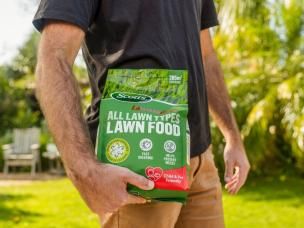
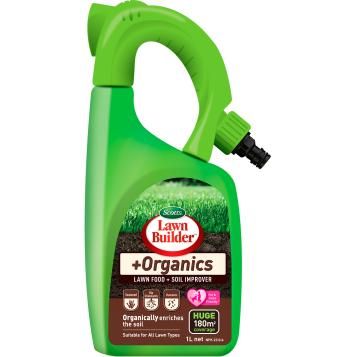
Keeping your lawn well fed is key to building turf that can naturally outcompete weeds like crabgrass. Feed it with a high-quality fertiliser like Scotts Lawn Builder™ 3in1 Weed, Feed & Green Up Liquid Lawn Fertiliser or Scotts Lawn Builder™ All Lawn Types Lawn Food, 4KG | Love The Garden. We recommend feeding your lawn twice a year, in spring and autumn.
4. Minimise bare patches of lawn
Since crabgrass will happily make itself at home in bare patches, it's worth filling in any gaps. Use a product like Scotts Lawn Builder™ Lawn Thickener Lawn Seed to overseed any bare or thin spots. It's suited to any lawn type, including buffalo, and includes a slow-release fertiliser for an extra boost of nutrients.
5. Raise your mower
Regular mowing is key to growing a thick lawn that can naturally crowd out weeds. But it’s a good idea to mow at the recommended height for your turf type and avoid scalping. Keeping your grass a little taller will shade crabgrass seeds and block the sunlight they need to germinate.
6. Water deeply (but less often)
Water your lawn deeply about once a week in warmer months, rather than lightly every day. Deep, infrequent watering encourages stronger and deeper turf roots that outcompete crabgrass roots.
7. Prevent crabgrass from establishing
Remove crabgrass before it produces seed and repair thin or bare patches where new plants could establish. Keep your lawn thick and healthy by mowing at the recommended height for your grass type, watering appropriately and feeding when needed. If considering a pre-emergent herbicide, choose a product specifically labelled for crabgrass and your lawn type, and follow the pack directions carefully.
How to get rid of crabgrass
If you’re looking for the best way to kill crabgrass that’s already popped up on your lawn, you've got two main options: removing it by hand for small infestations, or using an all-over lawn treatment for larger ones.
1. Dig out small patches
For small patches, hand-pulling is the best way to get rid of crabgrass. Try to tackle plants while they're still young and before they've gone to seed.
The key to hand-pulling is removing the entire plant, roots and all. If you snap off the stems and leave the roots behind, the plant can simply regrow. It's best to pull weeds after rain, or the day after watering, when the soil is soft and plants come out more easily. Grab the plant close to the soil surface and pull it out cleanly, trying not to disturb the surrounding soil too much, which can bring dormant seeds up to the surface, where they're free to germinate and cause even more problems.
If you've left it a little late and the plant has already gone to seed, be sure to dispose of it carefully rather than leaving it on your lawn, since the seeds can still spread and germinate from the dislodged plant.
Once you've pulled it out, fill in the bare patch by overseeding with a topdress mix like Scotts Lawn Builder Top Dress 25L, 25L | Love The Garden and a lawn thickener like Scotts Lawn Builder™ Lawn Thickener Lawn Seed. This helps stop any new crabgrass seeds from finding a bare patch to move into.
2. Use a weedkiller
For larger infestations, a post-emergent weedkiller might be more practical. Just keep in mind that most widely available commercial products are designed to target broadleaf weeds, and crabgrass isn't one. Since it's a grass itself, weed-and-feed products generally won't work. Some herbicides do target grassy weeds like crabgrass, so it's worth reading the label carefully to check, and always confirm what lawn types the product is suited to, as some can damage certain grasses.
A control program may involve treating existing plants and preventing later germination, using only products registered for the weed and compatible with the lawn type. After treating with a weedkiller, repair any bare spots in your lawn with Scotts 3.6L Patch and Repair.
FAQs
How to get rid of crabgrass in lawn
To get rid of small patches of crabgrass in your lawn, hand-pull the weed, making sure to remove the entire plant, including the roots. For larger infestations, use a post-emergent herbicide to kill existing plants, followed by a pre-emergent herbicide to stop next season's seeds from germinating. Keeping your lawn thick and healthy through regular lawn maintenance will also prevent crabgrass from taking hold in the first place.
What kills crabgrass but not grass?
Since crabgrass is a grassy weed rather than a broadleaf one, most standard weed-and-feed products won't work. These are generally formulated to target broadleaf weeds while leaving grasses unharmed. To kill crabgrass without harming grass, you’ll need a selective herbicide specifically labelled for grassy weed control. Always check the label to confirm it's suited to your specific lawn type before applying.
Why is crabgrass so hard to get rid of?
Crabgrass is hard to get rid of because it produces thousands of seeds in a single season, and these can lie dormant in the soil for years before germinating. It's also remarkably tolerant of mowing, often growing low enough that its seed heads sit below the reach of mower blades, allowing it to keep producing seed even in a regularly mown lawn.