
Choosing the Right Pot for Vegetables and Herbs
You don’t need a big backyard to enjoy fresh, home-grown produce. With the right pot, a sunny position and a quality potting mix, you can grow plenty of vegetables and herbs on a balcony, courtyard or patio.
Choosing a suitable container gives roots room to grow, helps manage moisture and makes caring for your plants much easier.
What to Look for When Choosing a Pot
-
Drainage: Make sure the pot has adequate drainage holes so excess water can escape.
-
Size: Choose a pot with enough width and depth for the plant’s roots and mature size
-
Stability: Tall or climbing plants need a broad, sturdy pot that is less likely to tip over.
-
Position: Consider how much sun, heat, wind and rain the pot will receive
-
Weight: Large pots can be very heavy once filled, so place them in position before planting.
Choosing a Pot Material
Plastic and composite pots are lightweight, easy to move and generally hold moisture for longer.
Terracotta pots have a classic, natural look but can dry out quickly during hot, dry or windy Australian weather.
Glazed ceramic pots are decorative and hold moisture well, but they can become heavy once filled.
Concrete and stone pots are stable and durable, making them suitable for larger plants and permanent displays.
Metal pots can heat up quickly in direct sun, so position them carefully and check the potting mix regularly during warm weather.
What Size Pot Do You Need?
As a general rule, larger vegetables need more room for their roots. A generous pot will also hold moisture for longer and provide better stability as the plant grows.
-
Leafy greens and herbs: Most will grow well in pots, bowls or troughs with suitable depth.
-
Root vegetables: Carrots, beetroot and radishes need enough depth for their roots to develop.
-
Fruiting vegetables: Tomatoes, eggplants and capsicums need a generous, stable pot.
-
Climbing vegetables: Cucumbers, peas and beans need space for a trellis or support.
Avoid crowding too many plants into one container, as they will compete for water, nutrients and root space.
Drainage Is Essential
Whatever style you choose, the pot must allow excess water to drain freely. Most vegetables and herbs will struggle if their roots remain in waterlogged potting mix.
Check that the drainage holes are open before planting. Fill the container with Scotts Osmocote® Tomato, Vegetable & Herb Potting Mix rather than garden soil, which can become compacted in pots.
If you use a saucer, empty any excess water so the base of the pot is not left sitting in water.
How to Plant Vegetables and Herbs in Pots
Step 1: Choose the Right Position
Most fruiting vegetables and many herbs grow best with at least six hours of direct sunlight each day. In warmer parts of Australia, leafy greens and soft-leaved herbs may appreciate protection from harsh afternoon sun.
Step 2: Prepare the Pot
Make sure the container is clean and the drainage holes are open. Fill it with Scotts Osmocote® Tomato, Vegetable & Herb Potting Mix, leaving a small gap below the rim for watering.
Step 3: Add Your Plant
Make a hole slightly larger than the seedling’s root ball. Gently remove the plant from its nursery pot and place it into the hole at the same depth it was previously growing.
Backfill around the roots and gently firm the mix. Add stakes, cages or climbing supports now if the plant will need them.
Step 4: Water Thoroughly
Water gently after planting and allow the excess to drain from the bottom of the pot. Check the potting mix regularly, as containers can dry out quickly during hot or windy weather.

Starting from Seed
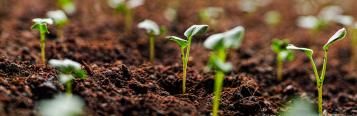
Fill a clean seedling tray or small pots with Scotts Organic® Seed Starter . Sow the seeds at the depth shown on the packet and water with a fine mist so they are not disturbed.
Keep the mix evenly moist while the seeds germinate. Once the seedlings have developed true leaves and are large enough to handle, move them into their final pots at the recommended spacing.
Watering and Feeding
Check the potting mix before watering. If the upper layer feels dry, water thoroughly until excess moisture begins draining from the bottom of the pot.
When your vegetables and herbs need an additional feed, apply Scotts Osmocote Pour+Feed for Tomatoes & Herbs to moist potting mix according to the label directions. Never apply more fertiliser than recommended.
Grow Fresh Food in Almost Any Space
With the right container, quality potting mix and a suitable growing position, it’s easy to grow vegetables and herbs close to the kitchen. Start with a few crops you enjoy eating, keep an eye on watering and give each plant enough room to grow.