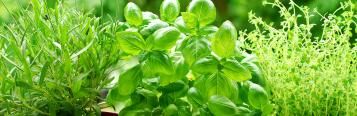

Growing herbs for cooking

Growing herbs for cooking

A guide to homegrown herbs

Fresh herbs add so much to everyday cooking that there are few kitchens that don’t boast a pot or two. They can totally transform the flavour of a dish and whether you’re finishing off a curry with some chopped coriander, mixing some oregano into your pasta sauce or tearing basil over a home-cooked pizza, adding just a few simple herbs can totally elevate your dishes. And there’s nothing quite as rewarding as using herbs that you’ve grown yourself.

Author

Kate Turner

Horticulturalist

Not only are herbs great for your cooking they are also great for your health. Many herbs are rich in phytonutrients with health boosting properties. Parsley for instance is full of vitamin C and basil helps soothe a sore tummy.

Here are some top tips on how to grow and care for some of our favourite cooking herbs. If you’re looking for more information about growing herbs, you’ll find it in our articles, growing herbs indoors and how to start growing herbs in your garden.

Buying herbs for planting

The easiest way to grow herbs is to buy small pots of young plants from your garden centre. These can be potted up into slightly larger pots for indoors or on the patio. Some can be planted in the garden although check what sort of conditions the different herbs like. Rosemary loves dry, hot conditions whereas mint is happier in a shadier and moist spot. Many flowering herbs like lavender and thyme are also excellent for pollinators as well as looking beautiful.

Growing from seed

Many herbs are easy to be grown from seed such as basil and coriander. Fill a pot or seed tray with a good quality peat free seed compost and lightly firm the surface, then water with a fine watering can rose or sprinkle mode on your hose.

Scatter the seeds thinly and then lightly cover with more compost. Cover the pot with a polythene bag or place in a propagator and leave on a windowsill to germinate. As soon as germination has taken place you can remove the cover.

Harvest leaves from the top to encourage your plants to produce fresh new side shoots and many more leaves to pick. If they do go to flower the flowers are usually edible and make attractive additions to salads or food dishes.

Buying fully grown plants

Pots of fully-grown seedlings with ready to harvest leaves aren’t always easy to keep for a long time. However, you can get them to be productive for much longer by watering with a little room temperature rather than overwatering, allowing the top of the compost to dry out between waterings. You can lift the pot to judge, and if the pot is exceptionally light it needs watering.

I harvest carefully by pinching out the top leaves when needed, and feed with a diluted liquid plant food every 2 weeks to encourage more leafy growth. Alternatively, you can carefully divide up the plants and pot them up individually into pots of peat free compost. Herb pots bought from the supermarket for example can be divided into four or five pots. Not only do you get more for your money, but they are easier to care for too.
The best herbs to grow at home

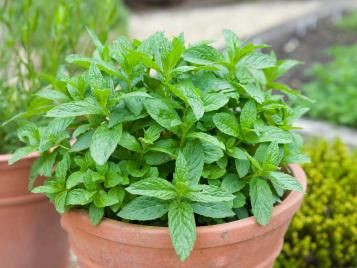
Mint

A vital ingredient to accompany roast lamb, new potatoes and peas or to add to a cheeky mojito! There are many different mints that also add a hint of other flavours including apple mint, ginger mint, chocolate mint and Moroccan mint.

Mint can be grown from seed although it is much easier to grow them from small plants as they take really easily. Mint can be extremely invasive so it’s also best to plant them in a large container separately. Many people will all too happily give you a clump from their own garden for you to grow.

Use Miracle-Gro Peat Free Premium Fruit & Vegetable Compost with Organic Plant Food and a suitable size container to ensure enough space for your crop to thrive. Once established, feed your plant every fortnight to ensure a fresh supply of strong new shoots. Mint prefers shadier conditions, and the leaves stay softer away from harsh sunlight. Try not to grow different mints too close together as they can dilute each other’s flavours.

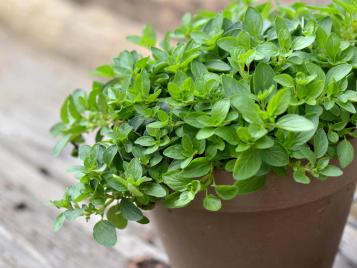
Oregano

These are fragrant herbs often used in dishes originating in Italy, Spain, and Greece, especially important to flavour authentic Moussaka. This perennial plant (80cm to 100cm) thrives well in a sunny garden border and has pretty flowers that can be humming with bees in the summer. They can be grown indoors on a sunny windowsill for several months but do best outside in a sunny spot.

Sow seeds thinly in a pot of well-drained seed and cutting compost. Keep in a warm place above 20°C and germination should take about three weeks. When the new plants have developed true leaves, transplant seedlings to a herb planter giving them some room to produce a good root system.

Begin picking the top of shoots when they reach 10cm tall. During the summer move the plants to a sunny spot in the garden.

Basil

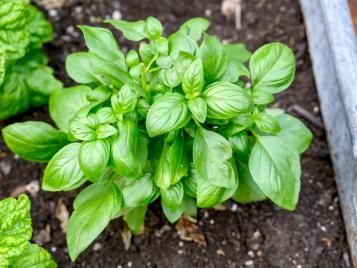
Sweet green basil is a wonderful partner to tomato dishes, spaghetti sauce and pizza. Sweet Genovese is the usual variety although you can also find varieties that offer hints of lemon, lime, and cinnamon, purple foliage, or frilly edges. This tender annual must be grown indoors somewhere warm and bright during autumn and winter and makes a useful addition to any windowsill.

Sow seeds in pots every six weeks to have fresh supplies throughout the winter and sow in late spring/early summer to grow outside. Basil is often grown as a companion plant to tomatoes as it is said it deters pests but also that it helps tomatoes taste sweeter.

Chives

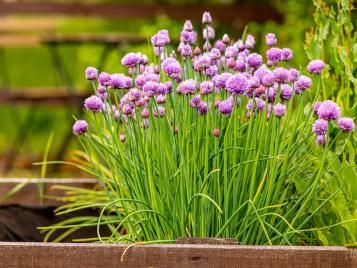
This member of the onion family is grown for the grass-like leaves that carry a subtle hint of onion rather than the strong flavour of fresh onion bulbs. Cut up fine, the leaves are used in dishes to provide a mild yet distinctive onion flavour. A favourite for omelettes, cream cheese, sauces and of course to add to sour cream to liven up jacket potatoes. You can also find chives that have a hint of garlic.

Start the seed growing in spring or autumn and keep the pots on a sunny windowsill, watering when the compost dries out. Instead of trimming the tops with scissors take out complete leaves to within 2cm of the compost.

Remove any flower heads that form if you want to have a regular supply of grassy leaves although the pretty purple flowers can be eaten raw, have a slightly sweeter oniony flavour than the leaves and are loved by pollinators.

Coriander

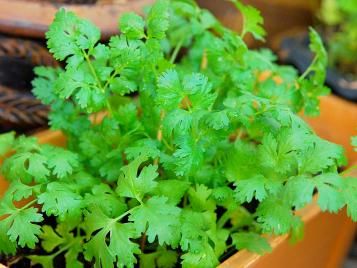
Grown for its spicy seeds and green leaves, this herb is a must in salads and as a fragrant green addition to Indian and Chinese curries. The seeds are a vital ingredient of curry powder.

Easy and quick to grow, once sown outside it often self-seeds year after year. For indoor pots of this useful herb, sow seeds every 6 weeks in seed and cutting compost. Position in a warm sunny spot and keep watered well. Using all purpose liquid plant food every fortnight will ensure the plants produce tender fresh leaves.

Coriander can be quick to go to seed (bolt) in hot weather so try to plant where it is in partial shade and don’t allow it to dry out.

Sage

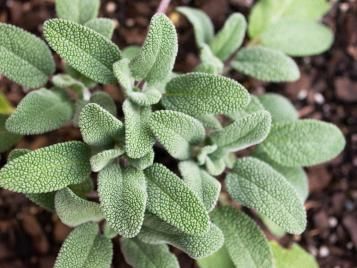
A hardy perennial bush that produces pungent green leaves that are often used in sausages, as well as bean and tomato dishes. Sage can be grown from seed but as you will only need one or two plants, they are best bought as plants from your local garden centre. For a decorative indoor herb garden, plant the pot in Mediterranean and citrus compost along with similar herb plants such as thyme and tarragon placing near a bright, warm windowsill.

Thyme

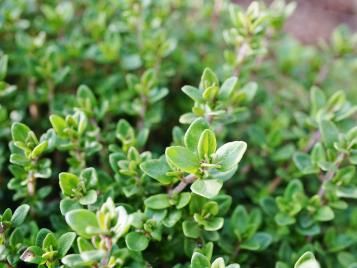
A low growing, pretty little shrub that is available in many varieties including lemon. The leaves can be used in soups and stews, to season meat and as an ingredient in savoury baking.

Thyme can be grown easily from seed, as only one or two plants of each variety may be needed by even the most adventurous of cooks, it is easier to buy ready grown plants and pot them up in a herb planter. This can then be placed on the kitchen windowsill, on a sunny patio or in a sunny, hot border. Water occasionally when the compost has almost dried out.

Rosemary

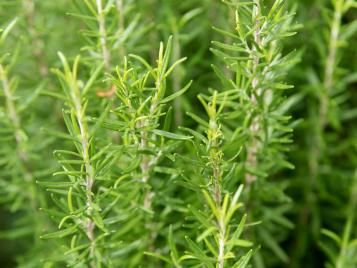
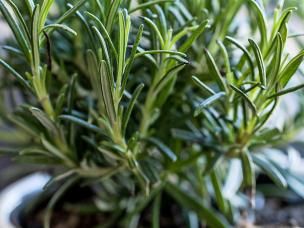
A medium sized shrub (60cm to 80cm), that produces aromatic needle-like leaves and beautiful blue flowers that bees adore. The leaves are a traditional flavouring for lamb but can be used in many dishes to add a lovely deep flavour. Stems can be used to make aromatic skewers for kebabs or as a basting tool for a more subtle flavour.

Rosemary can be grown from seed, although germination will be slow and erratic. It is better to buy a plant that can go out in the garden in spring/summer. Rosemary will enjoy a sunny spot in a border, or you can plant in a container that can be placed in a sunny but sheltered place on the patio.

Rosemary is fairly long lived but does start to become leggy and straggly after about 5 years so may need replacing. Its easy to take cuttings from rosemary by placing stems in water to grow roots.

Parsley

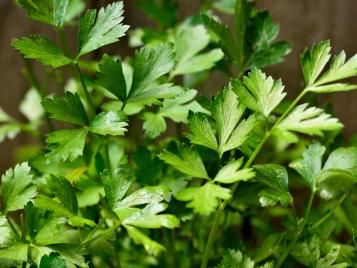
Whether curly leaved for decoration or flat leaved for the most flavour, parsley is a must-have herb for every kitchen. A natural for fish sauces, soups and stews these green leaves can also be deep fried until crisp and served with many dishes.

Parsley seeds take a long time to germinate, and many people give up before the plants emerge - sometimes a couple of months after sowing. It’s easier to buy a pot from the supermarket and to split the plant up into four sections, re planting these in their own pot. The extra room for new roots to form and the extra moisture held by the compost will help to make the plants live longer.

Simply pick stems and leaves from the plant frequently to ensure new leaves form at regular intervals.

Frequently asked questions about growing herbs for cooking

Are herbs better in the pots or ground?

You can grow herbs in either pots or the ground. As some herbs are invasive such as mint, growing them in a pot gives you a measure of control and can keep them from moving into the growing space of other plants. Growing herbs in pots also makes it easier to move them around for maximum sunshine and easier watering.

Some herbs, especially the mediterranean ones need very free draining soil and lots of sun so will often do better grown in a pot where you can control their environment more easily.

Can you grow herbs all year round?

You can grow some herbs indoors all year round although you will need a bright, warm windowsill. Many people decide to do this so they can have fresh homegrown herbs available in the kitchen during the winter months. Once some herbs are properly established outside, they can live there all year round – these include mint, rosemary, oregano, sage, and thyme.

Do herbs like full sun or shade?

Most herbs like full sun and light, alongside gritty but fertile soil that’s well drained. For aromatic herbs such as rosemary and thyme, the heat of the sun releases the oils that gives them their flavour. There are, however, some herbs that prefer to grow in the shade and need a more moisture retentive soil. These include mint, coriander, dill, parsley, and chives.

Find your local store

Looking for specialised gardening advice? Or just hunting for a specific product? Visit your local store and get help from dedicated staff.