Staying safe while you garden: how to minimise health risks
Gardening does wonders for our health
Gardening gets us outdoors, moving, and connecting with nature. But like any outdoor hobby, it pays to be aware of a few hidden risks. From bacteria in soil to thorny plants or standing water, a few simple precautions can keep you safe while you grow. Here’s how to protect yourself and your garden so you can keep doing what you love, season after season.
Author

1. Always wear gloves
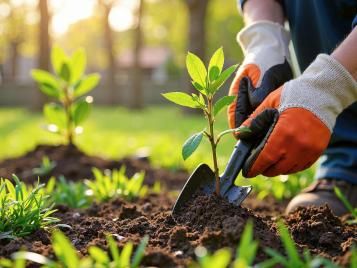
Soil and compost are bursting with living organisms that do wonders for your plants — but they’re not always kind to you. Even small cuts and scratches can let bacteria in, and some plant saps can trigger allergic reactions, sometimes quite severe. Always wear gloves and take care when handling plants and soil.
- Heavy-duty leather gloves – ideal for pruning, clearing brambles, or handling tools.
- Water-resistant nitrile or latex-coated gloves – perfect for wet work or cleaning jobs.
- Lightweight cotton or breathable fabric gloves – great for potting, planting, or delicate tasks.
- Cover any grazes or small cuts before you start gardening.
After a good gardening session, give your gloves a gentle clean and let them dry naturally — well-loved gloves will start to show a bit of wear over time, and your fingers might still get a little dirty, but that’s all part of the joy of gardening!
Always wash your hands before eating or drinking.
Pro tip from Kate Turner
“Keep a pair of gloves just for compost and another for pruning. It stops you spreading dirt or irritants to your skin — and they’ll last longer, too.”
2. Handle compost carefully
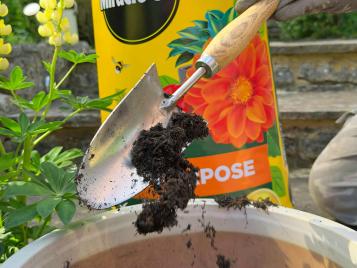
Compost is a gardener’s best friend — full of nutrients and beneficial microbes. But it can also contain bioaerosols (fine dust including tiny airborne organisms) that may irritate if you breathe them in.
- Open compost bags carefully in a well-ventilated place and avoid breathing dust.
- Lightly moisten dry compost before use to keep dust down.
- Turn compost heaps outdoors on calm days, and consider a dust mask if you have asthma or allergies.
- Store in a cool place. Avoid storing compost in greenhouses, where warmth encourages bacteria.
Pro tip from Kate Turner
“When opening a new compost bag, always do so outside and away from your face. This helps prevent inhaling any dust or fine particles that may have built up inside the bag, especially after storage.”
3. Be water-wise
Stagnant or warm water can harbour Legionella bacteria, which cause Legionnaires’ disease, as well as other microorganisms like Leptospira (Weil’s disease) from rats.
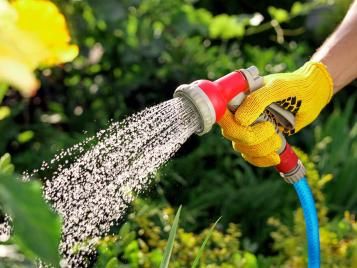
- Empty garden hoses after use and don’t leave them full in the sun.
- Keep water butts clean by scrubbing once a year.
- If your stored water gets above 20°C, don’t use it for misting or sprinklers.
- Wear waterproof gloves and boots when cleaning ponds or handling standing water.
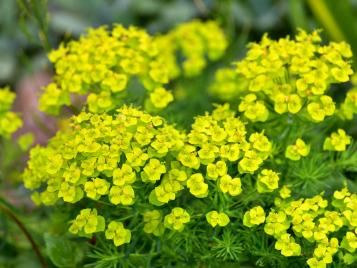
4. Watch out for irritating plants
Some plants have sap or hairs that can irritate the skin or eyes — such as ivy, euphorbia, rue, and Fremontodendron.
- Wear long sleeves and gloves when pruning, and use safety eye wear or sunglasses for pruning plants like euphorbia and never prune these plants in full sun.
- Wash skin immediately if sap touches it.
- Only shred woody prunings in a well-ventilated outdoor area.

5. Keep vaccinations up to date
The tetanus bacterium lives in soil and manure, so gardeners are at slightly higher risk of infection. Check that your tetanus jab is up to date — if not, speak to your GP, especially if you’ve had a deep cut or scratch while gardening.
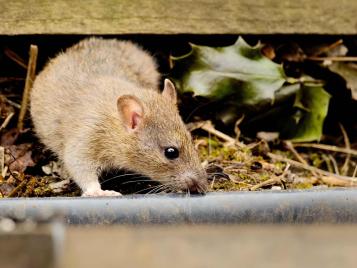
6. Keep pests and rodents away
Rats can spread diseases such as Weil’s disease and salmonella, often through contaminated water or compost.
- Secure bins and compost lids tightly.
- Never put cooked food on compost heaps.
- Line compost bins with fine wire mesh to keep rodents out.
- Don’t use potentially rat-infested compost on edible crops.
Pro tip from Kate Turner
“Compost heaps work best when balanced — avoid kitchen scraps that attract pests, and mix green and brown materials for a healthy, pest-free pile.”
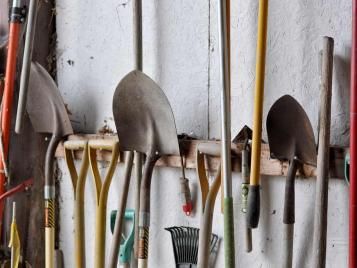
7. Practice good garden hygiene
A clean garden is a safe garden. Keep tools sharp, clean, and stored properly.
- Disinfect tools after use, also between plants, to prevent plant and soil bacteria spreading.
- Keep walkways clear to prevent trips or falls.
- Use tools designed for your height and task to reduce strain.
Pro tip from Kate Turner
“A quick clean at the end of each session saves you time later — and it’s another way to protect your plants and yourself.”
8. Protect yourself from the elements (and common injuries)
It’s easy to get lost in the joy of gardening, but safety and comfort go hand in hand. Many common gardening injuries aren’t from plants — they’re from slips, strains, or tired muscles. A few smart habits will help you stay safe, supported, and ready to grow again tomorrow.
Shield yourself from sun and heat:
- Apply a high-SPF sunscreen before you start.
- Wear a wide-brimmed hat and light, breathable clothing.
- Take regular breaks, especially on hot days, and keep water nearby.
Prevent slips and trips:
- Remove algae and moss from paths, patios, and steps — especially in shady or damp areas.
- Add lighting along paths and steps so you can see clearly in the evening.
- Store tools and hoses neatly after use to keep walkways clear.
Handle tools and equipment safely:
- Keep hedge trimmers and lawnmowers well-maintained and blades sharp — blunt tools make accidents more likely. • Always wear eye protection when trimming hedges or strimming. • Leave tall or tricky jobs (like pruning at height) to a professional with the right equipment.
Look after your body:
- Use the right tool for the job and keep it close to your body when digging or raking.
- Bend your knees, not your back, and alternate tasks to avoid repetitive strain.
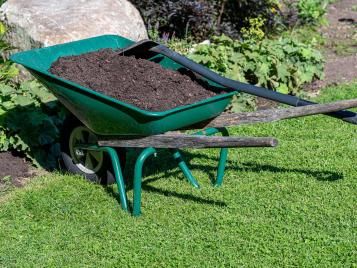
- Don’t rush heavy lifting — use a wheelbarrow or ask for help when moving soil, compost, or pots.
Pro tip from Kate Turner
“Gardening should feel good — not leave you sore the next day! Take your time, work at your own pace, and invest in tools that fit your height and grip comfortably.”

9. Wash up afterwards
Once you’ve finished gardening:
- Wash your hands thoroughly — especially before eating.
- Keep a hand sanitiser in your shed if water isn’t nearby.
- Change out of gardening clothes and wash them separately if they’re very dirty.
Final thoughts from Kate Turner
“Gardening should always leave you feeling good — body, mind, and spirit. A few common-sense steps like gloves, handwashing, and safe compost handling mean you can focus on what really matters: enjoying your garden.”
If you have any concerns about your health whilst gardening, please contact the NHS.
Frequently asked questions
Is it safe to use homemade compost?
Yes — just handle it carefully. Wear gloves, dampen it before turning, and work in the open air.
How often should I clean my water butt?
Once a year is ideal. Empty it fully, scrub the sides, and rinse before refilling.
Do I really need gloves for everything?
Yes, especially when working with soil, compost, or prickly plants. They prevent infections and skin irritation.
What is the risk from rat urine?
It can carry Leptospira bacteria, which cause Weil’s disease. Always wear waterproof gloves and boots when cleaning ponds or drains.