Mealybugs can be a serious pest problem for house plants or of plants growing in a conservatory or greenhouse, particularly cacti and succulent plants. A few mealybug species can affect plants grown outdoors including ceanothus, laburnum, New Zealand flax (Phormium) and redcurrant.
How to identify mealybugs
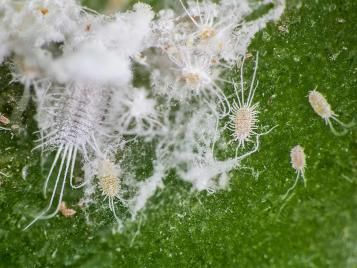
Mealybug pests are flat, oval insects about 4mm long, with soft, greyish-white or pink bodies. They secrete a fluffy white, waxy substance that protects their bodies and hides their eggs. A smaller species, the root mealybug, feeds on some pot plant roots and is about 2mm long.
Mealybugs are commonly found on cacti, succulents and orchids (especially moth orchids (Phalaenopsis)). Here is a list of more indoor grown plants which are particularly prone to mealybug infestations:
- African violets
- Bougainvillea
- Fuchsia
- Hoya
- Passionflower
- Oleander
- Citrus
- Grape vines
- Peach
- Tomato
Mealybugs symptoms
Look for colonies in the inaccessible parts of the plant, for example underneath leaves and on plant stems, particularly the point where the leaf is attached to the stem.
Often the first sign of mealybugs on plants is the honeydew excreted by the insect, which makes the surface of leaves on to which it drops very sticky. A black sooty mould can grow on this sticky substance which is unsightly. This will gradually deprive the leaf of light and might eventually kill the plant.
Large mealybug infestations can weaken plants, limit growth and cause premature leaf fall.
Mealybugs treatment and control
How can you get rid of mealybugs? There are many methods of mealybug control. Here we’ve listed a few different controls, ranging from cultural and biological to chemical:
- Wipe off small mealybug populations using a damp sponge or kitchen towel and check regularly for re-infestations.
- Introduce a ladybird (Cryptolaemus montrouzieri) into the greenhouse for a form of biological mealybug control. Both the adult ladybird and its larvae feed on mealybugs. You can order these online from several biological control suppliers, or attract them by planting English marigolds. Because the ladybirds need relatively high temperatures to survive, use this mealybug infestation treatment from May to September.
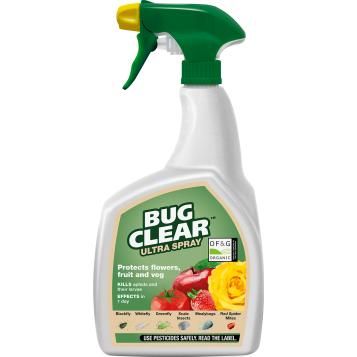
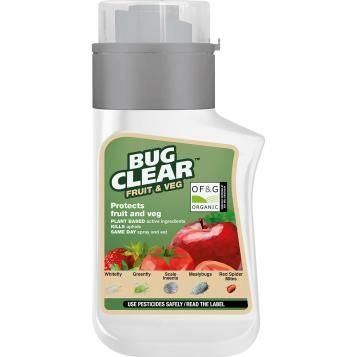
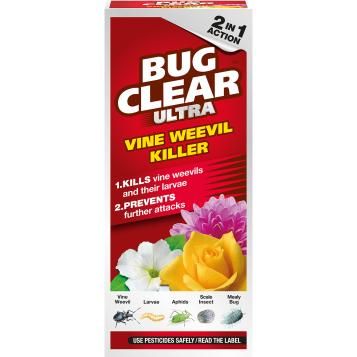
- Because of their waxy coating, mealybugs are difficult to eradicate using insecticides. They need to be sprayed thoroughly with a systemic insecticide. Where the potting compost in containers is infested with root mealybugs, you can try drenching the compost with a systemic insecticide. But because the pest is so hard to eradicate, sometimes it is better to discard the infested plant and start again.
Before you treat mealybugs on fruit and vegetables, always check that the insecticide is approved for use on edible crops. To protect bees and pollinating insects do not apply to plants when in flower. Do not use where bees are actively foraging. Do not apply when flowering weeds are present.
How to prevent mealybugs
Check susceptible plants frequently so you can act before a mealybug infestation takes hold. Most plants will put up with small populations of mealybug, but these can grow quickly if you do not take some action to control them.
When you buy a new plant for your home or the greenhouse, inspect it carefully before putting it in place, because mealybugs often come from infested plants brought in from elsewhere. If possible, keep the plant isolated from your other plants for at least a month.
Keep the greenhouse or conservatory or the area around your house plants clear of dead leaves or other plant debris, in case these are harbouring mealybugs or mealybug eggs.