Why you should feed your lawn
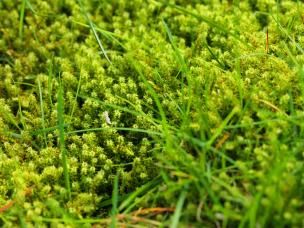
Healthy lawns look good, withstand wear and tear better and are less prone to disease. They also have less moss and fewer weeds, as these tend to creep in when lawns grow patchy and weak. Feeding your lawn the right nutrients at the right time is the key to healthy growth.
Grass takes up nutrients from the soil via its roots and uses them to produce leaves. When we mow our lawns, we take away part of the leaf blades, forcing the grass to take up further nutrients from the soil to produce more growth. Soil nutrients can also be washed out of the soil during heavy rains, especially nitrogen which is very soluble in water. This can all result in nutrient-poor soil and weak, pale, patchy lawns filled with weeds.
Lawn feeds can solve this problem, restoring the necessary nutrients for a healthy, lush green lawn.

When to feed your lawn
Spring and autumn are the most important times to feed your lawn, promoting new growth early in the year and then preparing the grass for winter.
Spring lawn feed is applied in early spring, once the weather starts to warm up and the grass springs back into growth. Spring lawn feeds are high in nitrogen, which promotes strong leaf growth to get lawns into good shape for summer.
If your lawn starts to look pale and patchy in summer, you can apply an additional feed, giving an extra boost of nutrients to help in repairing lawn damage. However, always check the product packaging for guidance on how often to feed your lawn and take care not to overfeed. Applying fertiliser more frequently than the manufacturer’s recommendations can produce a spurt of leaf growth at the expense of good root development, and over time may actually weaken the grass, allowing weeds and moss to creep in.
Autumn lawn feeds help to prepare the grass for winter by promoting root growth and hardening leaf blades to cope with icy temperatures. These lawn feeds are high in phosphates, potassium and magnesium, and have less nitrogen than spring and summer feeds so as not to encourage new leaf growth which could be damaged by frosts.
A beginner’s guide to lawn feeding
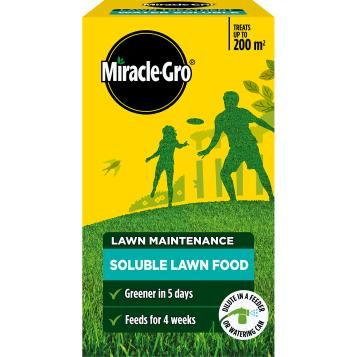
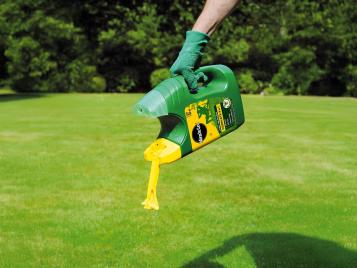
If you’re starting to feel overwhelmed by all the different types of lawn feed, don’t worry! Start by simply applying a liquid lawn feed any time from March to September. You’ll be amazed at the difference it makes!
Once you’ve had some experience in feeding your lawn, you can move up to the next level. Feed in spring and summer with a lawn treatment, using a lawn spreader to make sure you spread the feed evenly and without burning the lawn. If you’re applying lawn feed after September, remember to use an autumn feed instead.
The final step in your journey to lawn care expertise is to add in the full range of lawn care techniques, including scarifying and aerating as well as a spring and autumn feed.